Accessories and Parts Email Strategy for Automotive Brands: The Cross-Sell Opportunity Most Dealers Miss
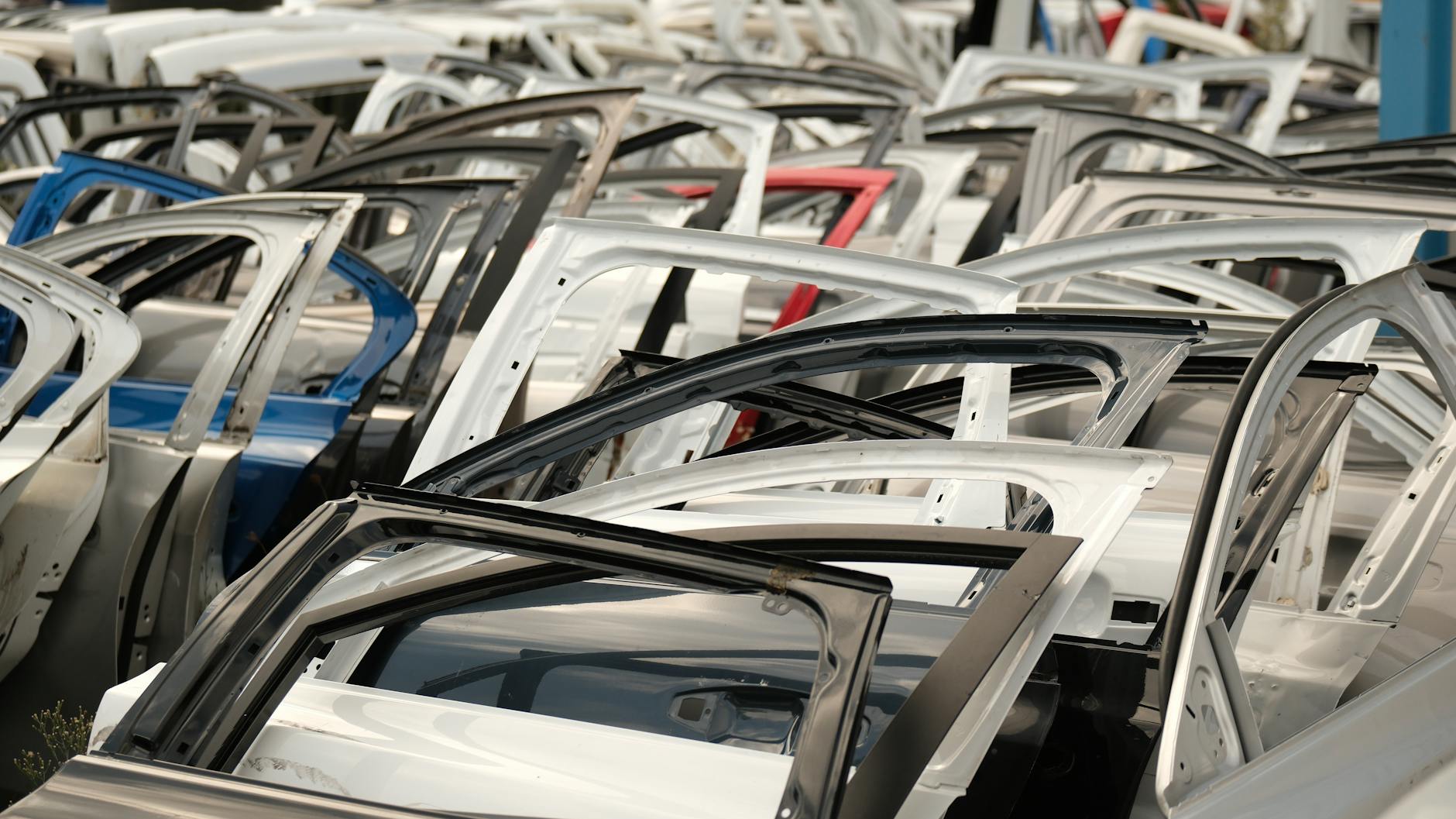
Accessories and genuine parts represent one of the highest-margin revenue streams available to automotive dealerships — and one of the most systematically underdeveloped. The average dealership that sells accessories does so reactively: a customer asks, or a service advisor mentions something at the point of a service visit. The idea of proactively marketing accessories through email barely registers as a strategy.
This is a significant missed opportunity. Consider: the customer who just bought a new car is at peak brand enthusiasm. They love the vehicle. They want it to be perfect. The accessories department has exactly what they are looking for — and email gives you the ability to reach them at that moment of maximum receptiveness.
This guide breaks down the complete accessories and parts email strategy: from post-purchase cross-sell flows to seasonal campaigns, bundle offers, and enthusiast community emails that build long-term accessories revenue.
Why Accessories Email Marketing Works
The economics of accessories sales are compelling. Gross margin on genuine parts and accessories typically runs 30 to 50 percent — significantly higher than vehicle sales margins. Accessories have low return rates when bought from a trusted, vehicle-specific source. And accessories purchases have a compounding effect: customers who buy accessories are more loyal to the brand and more likely to return for service.
The challenge is timing and relevance. Accessories email campaigns that work do so because they are sent to the right customer at the right time with products that are specifically relevant to the vehicle they own.
Generic accessories blast emails — “shop our spring accessories range!” sent to every customer on the list — perform poorly because they violate the most basic principle of relevant marketing. The customers who respond to accessories emails are those who receive messages that feel like they were written specifically for them and their vehicle.
Flow 1: The Post-Purchase Accessories Email Series
The week following a vehicle delivery is the optimal window for accessories cross-sell. Customer enthusiasm is at its peak, the vehicle is front of mind, and the financial transaction is complete — removing the price sensitivity that exists before purchase.
Email 1: The New Owner Welcome and Accessories Introduction (Day 3–5 After Delivery)
Subject line examples:
- “Welcome to the [Make Model] family — make it yours”
- “Your new [Model] has arrived — here is how to personalise it”
- “The first thing most [Model] owners add, [First Name]”
This email should not feel like a sales catalogue. Open with genuine congratulations on the new vehicle. Transition naturally into the idea of personalisation: “Most [Model] owners find themselves wanting to make a few additions in the first few weeks — here are the accessories we see going most frequently with your specification.”
Feature three to five accessories that are specifically compatible with their exact vehicle (year, model, trim level, colour if relevant):
- Floor mats and boot liners (extremely high take-up rate, practical purchase)
- Tow bars or load-specific accessories if they are relevant to the buyer profile
- Dash cameras or technology accessories
- Roof bars or storage solutions
- Cosmetic accessories relevant to the vehicle’s styling
Include product images from the customer’s actual vehicle spec if possible. The more precisely matched the recommendation, the higher the conversion rate.
Email 2: The “Most Popular With Your [Model]” Email (Day 10–14)
Subject line examples:
- “What other [Year Model] owners add in the first month”
- “The [Model] accessories owners love most — do you have these?”
- “Popular additions for your [Model]: a guide from our accessories team”
Use social proof at the product level. “87% of [Model] owners who purchased [Accessory] said they wished they had bought it sooner.” This kind of specific endorsement is far more persuasive than a generic product feature.
Expand the range slightly: include two or three lifestyle accessories (umbrellas, branded merchandise, tech accessories) alongside the more functional recommendations.
Email 3: The Bundle Offer (Day 21)
Subject line examples:
- “A [Model] accessories bundle — designed for your spec”
- “Three things that work better together — a bundle offer”
- “Save [X]% when you bundle the accessories most [Model] owners want”
Create a curated bundle of two to four complementary accessories at a combined price that represents genuine savings. Bundle construction should feel logical, not arbitrary: floor mats + boot liner + cargo net, or roof bars + bike carrier + storage bag.
The bundle offer creates a reason to act now (savings) and simplifies the decision-making process by pre-selecting compatible accessories.
Flow 2: Seasonal Parts and Accessories Campaigns
Automotive accessories have strong seasonal demand patterns. Building a calendar of seasonal campaigns ensures you capture this demand proactively, before customers go to a third-party supplier.
Winter Preparation Campaign (September–October)
Subject line examples:
- “Winter is coming — is your [Make/Model] ready?”
- “The winter accessories every [Model] owner needs”
- “Prepare your [Make] for winter: genuine parts and accessories”
Feature:
- Winter wheel and tyre packages (high value, high urgency)
- All-weather or winter floor mats
- Windscreen wipers and de-icer kits
- Emergency breakdown kits for winter driving
- First aid and winter safety kits
Frame this campaign around safety and preparedness. The emotional trigger for winter accessories is protection — of the vehicle and the family inside it. This is fundamentally different from the aspiration and pride that drives summer or lifestyle accessories purchases.
Email cadence: Three emails over six weeks — an early announcement, a mid-campaign reminder, and a “last chance before winter” closing email.
Spring and Summer Campaign (March–May)
Subject line examples:
- “Spring is here — make the most of your [Make/Model]”
- “Summer accessories for your [Model]: everything you need for the season”
- “Road trip ready? The accessories to take you further”
Feature:
- Roof boxes and cargo solutions (camping, cycling, hiking gear transport)
- Bike carriers and outdoor sport-specific accessories
- Window shading and UV protection accessories
- Car cleaning and detailing kits (spring cleaning is a strong motivator)
- Navigation and charging accessories for longer journeys
The summer campaign tone should be aspirational and lifestyle-oriented. Show the vehicle in use — on a beach road, at a trail head, loaded for a family trip. The products are supporting a way of life, not just the vehicle.
Back-to-School and Family Campaign (July–August)
Subject line examples:
- “School runs start in [Month] — is your [Model] prepared?”
- “Family life in your [Make] — the accessories parents love”
- “Ready for the new school year? Your [Model] could be too.”
Target this campaign at customer segments that include family-vehicle profiles (SUVs, MPVs, people carriers). Feature accessories relevant to family use: rubber boot liners, child-safe window shading, storage organisers, first aid kits.
This campaign creates relevance through life-stage targeting, not just vehicle targeting.
Flow 3: Genuine Parts Awareness Campaigns
One of the most valuable but underutilised automotive email campaigns is the genuine parts awareness message. Many customers who service their vehicle independently or use third-party workshops are using non-genuine parts — not because they choose to, but because no one has educated them about the risks or offered them a convenient alternative.
The Genuine Parts Education Email
Subject line examples:
- “Genuine [Make] parts vs. aftermarket: what your [Model] actually deserves”
- “Are the parts going into your [Model] the right ones? A quick guide”
- “Why genuine parts matter for your [Model] — a quick note from our parts team”
Content:
- What “genuine parts” means and why they matter for performance, safety, and warranty
- Common parts that customers frequently buy aftermarket (brake pads, filters, wiper blades, bulbs)
- A specific comparison on two or three of these: cost difference (often smaller than assumed) versus quality and warranty implications
- A direct link to order genuine parts for their specific vehicle
This email positions the dealership as a trusted, transparent source — not a parts salesperson. The educational tone converts better than a direct parts pitch.
The Service Parts Reminder Email
When a customer’s service records show that certain consumable parts are likely due (based on mileage and typical replacement intervals), send a proactive parts reminder.
Subject line examples:
- “Your [Make/Model] wiper blades — due for a change?”
- “Cabin filter reminder for your [Year Model]”
- “Your [Make] is approaching the mileage for a brake fluid change”
Link directly to the relevant genuine part in your online parts store. If you offer fitting, include that option. If the parts can be self-installed, acknowledge that with a brief instruction link.
Flow 4: Enthusiast Community Emails
For brands with a strong enthusiast following — performance brands, heritage marques, off-road vehicles — a community email programme builds loyalty and accessories revenue simultaneously.
The Enthusiast Newsletter
A monthly or quarterly enthusiast newsletter sent to registered owners serves a different purpose from transactional accessories emails. It builds identity and belonging.
Subject line examples:
- “The [Make] Community Newsletter — [Month] edition”
- “What [Make] owners are doing this month”
- “Inside the [Make] community: events, builds, and accessories”
Content:
- Featured owner stories or “owner spotlights” (their vehicle, their modifications, their story)
- Events — track days, owner meets, brand-organised driving experiences
- New accessories and limited-edition products
- Modification and personalisation guides
- Behind-the-scenes content from the brand or dealership
The enthusiast newsletter earns engagement through content, not promotion. Accessories revenue follows from the community trust built by genuine content.
The Event Invitation Email
Owner events — track days, off-road experiences, exclusive preview events — are extremely effective at driving accessories purchases because they create aspirational contexts where accessories are natural.
Subject line examples:
- “You are invited: [Make] Track Day at [Venue], [Date]”
- “Exclusive owner event: [Make] Experience Day”
- “[First Name], join us for a [Make] owner meet — [Location]”
Event invitations sent exclusively to vehicle owners perform significantly better than open events because the exclusivity is genuine and the audience is perfectly targeted.
Follow up after the event with a curated accessories email: “Inspired by what you saw at [Event]? Here are the accessories our team brought along.”
Segmentation: The Key to Accessories Email Relevance
The single most important factor in accessories email performance is product-vehicle matching. At minimum, segment by:
- Vehicle model: Floor mats for a [Model A] are not compatible with a [Model B]
- Vehicle age: Newer vehicles have different accessory profiles from older ones
- Purchase type: New car buyers vs. used car buyers have different accessory propensities
- Service history: Customers with active service records are more engaged with the dealership brand
Advanced segmentation layers:
- Buyer profile: Family buyers vs. single owners vs. company car drivers
- Previous purchases: Exclude already-purchased accessories from recommendations
- Lifestyle signals: Customers who asked about towing get towing accessories campaigns; customers who mentioned cycling get roof and bike carrier emails
Measuring Accessories Email Campaign Performance
Key metrics:
- Revenue per email sent: Accessories campaigns should generate £2–£8 revenue per email sent in a well-optimised programme
- Conversion rate by product category: Which accessories generate the most orders from email referrals?
- Average order value: Are bundle offers increasing average transaction size?
- Click-through rate: Are the product images and descriptions compelling enough to drive interest?
- Repeat purchase rate: Are accessory buyers returning for additional purchases?
Build Your Accessories Revenue Engine
Most dealerships are leaving a significant high-margin revenue stream on the table by not building systematic accessories email campaigns. The customers are there. The products are there. What is missing is the system that connects them at the right moment with the right message.
At Excelohunt, we build done-for-you accessories and parts email campaigns for automotive dealerships and brands who want to unlock this overlooked revenue channel.
Get your free email audit at excelohunt.com/free-audit and find out how much accessories revenue your current email programme is missing — and what a targeted campaign could add to your bottom line.
Related Excelohunt Services
Looking to implement these strategies with expert support?
- Email Automations — learn how we implement this for clients
More in Strategy
- Best Email Marketing Agencies for Small DTC Brands ($40k+/mo)
- Best Email & SMS Marketing Agencies for Ecommerce (2026)
- Chronos Agency Alternatives for $40k–$500k/mo DTC Brands
- Chronos Agency Pricing Explained: Is the $10k Minimum Worth It?
- Chronos Agency vs InboxArmy: Which Is Better for DTC Email?