How Beauty Brands Use Email to Amplify Influencer Content and UGC at Scale
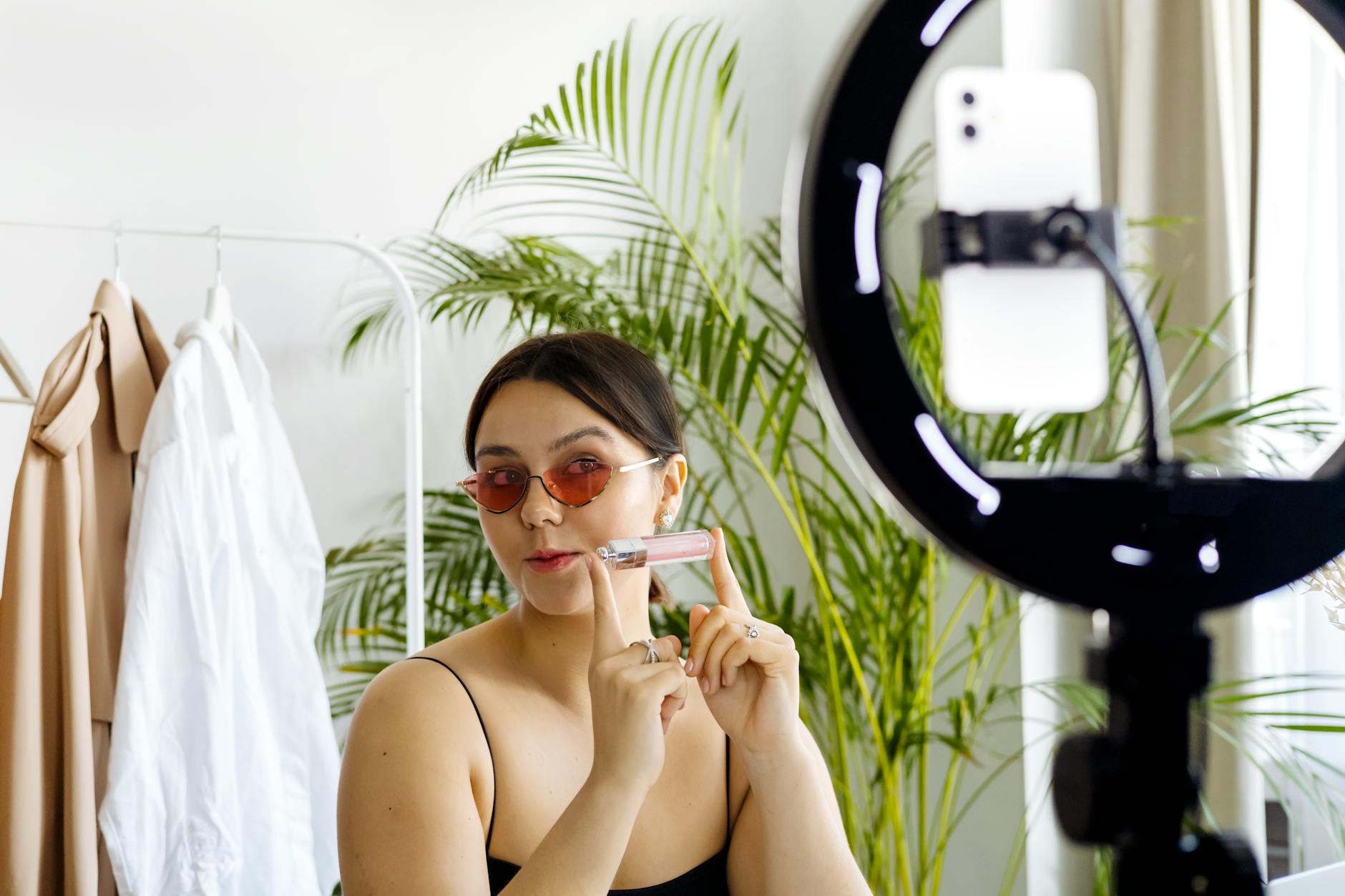
Here’s a scenario that plays out in beauty brand marketing teams every week: an influencer posts an honest before-and-after with your serum. It gets 200,000 views and 4,000 comments. Your team reposts it to your Instagram Story, it disappears after 24 hours, and that’s the end of it.
Meanwhile, your email subscribers — who are already customers and warm leads, the highest-intent audience you have — never see it.
This is one of the biggest missed opportunities in beauty email marketing. Influencer content and user-generated content (UGC) are the most trust-building assets in a category where skepticism is high and results claims are scrutinized. When you keep that content siloed on social media and out of email, you’re underutilizing your best marketing material.
Here’s how to build an email strategy that systematically captures, repurposes, and amplifies your best social content.
Why Social Proof Matters More in Beauty Than Almost Any Other Category
Before we get tactical, it’s worth anchoring on why UGC is so powerful in beauty specifically.
Beauty products face a fundamental trust problem: the results are hard to verify before purchase. A customer can’t know whether your retinol will reduce their wrinkles, whether your cleanser will clear their breakouts, or whether your SPF will feel lightweight on their skin type. Every claim you make in product copy is suspect because you’re the brand making it.
What a customer can trust: a real person they relate to, with a similar skin type, showing their actual experience with your product over 30 days.
That’s the power of authentic UGC. It bypasses the trust barrier that all brand copy faces. And when that content reaches customers via email — in a channel where they’ve already opted in and where conversion intent is higher than social — the impact compounds significantly.
The Four Types of Social Proof That Convert in Beauty Emails
Not all UGC is equally powerful. Here’s a hierarchy based on what actually converts:
1. Before-and-After Photography
The highest-converting social proof format in beauty. Real customers showing visible skin changes — reduced acne, improved texture, reduced hyperpigmentation, visible anti-aging effects — are worth more than any professionally produced campaign.
How to use in email: Feature prominently in product-specific emails. Dedicate a section of your post-purchase flow to real results: “Here’s what [Customer Name]‘s skin looked like after 8 weeks.” Use these images in your abandoned cart flow too — someone hesitating about a $60 serum is much more likely to buy when they see a real person’s documented results.
2. Review Excerpts with Specificity
Generic five-star reviews (“Love this product!”) add little persuasive value. Specific reviews that detail skin type, concern, timeline, and outcome are significantly more persuasive.
Examples of high-value vs. low-value reviews:
Low value: ★★★★★ “Amazing serum! Would definitely recommend.”
High value: ★★★★★ “I have dry, sensitive skin that breaks out easily and I’ve been using this for 6 weeks. My redness has reduced significantly and I haven’t had a cyst breakout since week 3. I’m 42 and I also notice my fine lines look softer in morning light. This is now permanent in my routine.”
How to use in email: Pull these specific reviews into your campaigns and flows. Most review platforms (Okendo, Yotpo, Judge.me) have integrations or APIs that can surface your most content-rich reviews for email use.
3. Influencer Content with Authentic Commentary
Polished influencer content with obvious sponsorship language (“gifted,” overly scripted) performs worse in email than you might expect. What converts is authentic content where the influencer’s genuine opinion and personality come through.
How to use in email: When an influencer creates content that feels genuinely honest — including if they mention minor drawbacks alongside strong positives — that’s the content to feature. Your subscribers can tell the difference between authentic and scripted, and authenticity builds more trust.
4. Video Testimonials (in GIF or Static Form)
Not all email clients render video, but you can capture the energy of a video testimonial by featuring a still frame with a play button overlay that links to the full video. This approach delivers the trust signal of “a real person talking about this product” without the email rendering issues.
Building a UGC Collection System for Email
The first problem most beauty brands face is that they don’t have a systematic way to collect and organize UGC for email use. Here’s how to build one:
Step 1: The Post-Purchase Review Request Flow
Your review request flow is your most important UGC source. But a generic “please leave a review” email typically generates generic reviews.
How to get better reviews:
Structure your review request email to prompt specificity. Instead of “How was your experience?”, ask:
- “What was your skin concern before trying [Product Name]?”
- “How long did it take to see results?”
- “What did you notice first?”
- “What would you tell someone with similar skin who’s considering trying it?”
These prompts, when embedded in your review request email template, systematically generate the kind of specific, before-and-after testimonials that actually convert.
Timing: For skincare products, send your review request email at day 30-45 after purchase — after the customer has had enough time to see results, but before they’ve stopped using the product consistently.
Step 2: The UGC Solicitation Campaign
Twice a year, run an active UGC campaign via email: invite your subscribers to share their results photos or video in exchange for a discount code, store credit, or entry into a giveaway.
Subject line options:
- “Show us your skin — and get $20 for it”
- “Before & After: Share your [Brand Name] results”
- “Want to be featured? We’re looking for real stories”
The mechanics:
- Include clear photo guidelines (clean, well-lit, no filters)
- Specify that before-and-after format is preferred
- Clarify consent for email and social use in the submission
- Make the reward valuable enough to motivate action (10% off typically isn’t enough — $15-20 store credit or a free product works better)
This campaign, run twice a year, typically generates enough UGC to fuel 6 months of email content.
Step 3: Influencer Content Licensing
When an influencer creates content that you want to use in email, you need explicit permission and ideally a content license. Many brands assume that “gifting” or “paying for a post” gives them unlimited usage rights — it typically doesn’t.
Best practice: When contracting with influencers, explicitly include “email marketing usage rights” in the agreement. For organic posts from non-contracted influencers, reach out directly to request permission before featuring their content.
The Flows and Campaigns That Feature UGC
The Social Proof Email in the Post-Purchase Flow
At 14 days post-purchase, when a customer is still in the early stages of using your product (before they’ve seen dramatic results), send a “results from others who use this” email.
Structure:
- 3-4 before-and-after images from real customers
- Specific review excerpts (skin type, concern, timeline)
- A note setting expectations: “Most customers start noticing changes at week 4-6. Here’s what to watch for.”
- No hard sell — just trust building
This email does two things: it keeps the customer motivated to continue using the product (reducing early discontinuation) and it builds confidence that results are coming.
The “Real Results” Campaign Email
Send this to your full engaged list approximately monthly. Feature 2-3 customer transformation stories — not just a photo, but a mini narrative: who they are, what their skin concern was, what they’ve been using, and what changed.
This format works because it reads as editorial content, not advertising. It’s engaging on its own merits.
Subject line options:
- “Sarah cleared her acne in 8 weeks — here’s exactly what she used”
- “3 real customers. 3 different skin types. Here’s what happened.”
- “[Before & After] These results are from your inbox neighbors”
The Influencer Launch Email
When you work with an influencer on a campaign, build an email around their content — not just “as seen on Instagram,” but a full email that tells the story of their experience with your brand.
Structure:
- Introduce the influencer (briefly — 2-3 sentences, with a human angle)
- Feature their content or a key quote
- Tell the story of their experience with the product
- Include their recommendation
- Link to the full content (social post, YouTube video, etc.)
- Include a natural product CTA
This email performs well because it combines the trust signal of an influencer recommendation with the direct response effectiveness of an email CTA — two things that rarely occupy the same channel.
The Review Request Flow (The UGC Engine)
Your review request flow isn’t just a customer experience courtesy — it’s a UGC generation machine that feeds all the other email strategies above.
The sequence:
- Day 30-45: Review request email with specific prompting questions
- Day 50: Follow-up for non-reviewers: “How’s your routine going?” — softer touchpoint, still invites a review but leads with care
- Day 60: For customers who left high-quality reviews: a “thank you” email featuring their review in a roundup or individually, with a discount code as appreciation
That third email — featuring a customer’s own review back to them — is one of the most powerful relationship-building emails a beauty brand can send. It makes the customer feel seen and valued, which drives both loyalty and word-of-mouth.
The Authenticity Line: What to Avoid
UGC in email is powerful when it’s genuinely authentic. It backfires when it looks manufactured. Here are the lines not to cross:
Don’t cherry-pick only perfect results: If every before-and-after in your emails shows dramatic 30-day transformations, sophisticated customers will be skeptical. Include a range of results, including customers who saw “subtle but consistent improvement” — this actually makes the dramatic results more believable.
Don’t use influencer UGC that’s visibly over-produced: If the “before” photo looks artificially lit poorly and the “after” looks professionally lit and retouched, your audience will notice.
Don’t misrepresent the timeline: If a customer saw results after 12 weeks and you say “8 weeks,” you’re setting up future customers for disappointment and eroding trust in your reviews.
Don’t forget to get permission: This is both legal and ethical. Always have documented permission before featuring customer photos or testimonials.
Ready to Turn Your UGC Into a Revenue-Generating Email System?
If you’re sitting on great social proof — real results, genuine reviews, authentic influencer content — but it’s not making its way into your email strategy, you’re leaving a significant conversion opportunity on the table.
At Excelohunt, we’re a skincare email marketing agency that builds UGC-integrated email flows and campaigns for beauty brands — systematically collecting, curating, and converting social proof into email revenue.
Get a free audit of your beauty brand email strategy →
We’ll show you exactly how your current emails compare to brands maximizing their UGC — and give you a clear roadmap for closing the gap.
More in Strategy
- Best Email Marketing Agencies for Small DTC Brands ($40k+/mo)
- Best Email & SMS Marketing Agencies for Ecommerce (2026)
- Chronos Agency Alternatives for $40k–$500k/mo DTC Brands
- Chronos Agency Pricing Explained: Is the $10k Minimum Worth It?
- Chronos Agency vs InboxArmy: Which Is Better for DTC Email?
Want Us to Implement This for Your Brand?
Get a free email audit and see exactly where you're losing revenue.
Get Your Free Audit