Email Marketing for Australian Beauty & Skincare Brands: The Complete Playbook
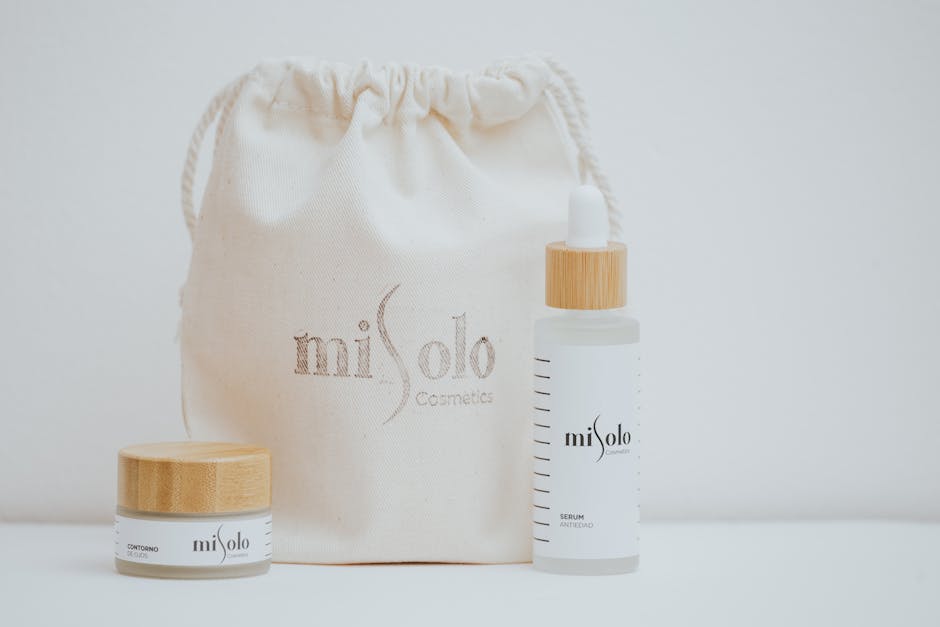
Australia has one of the world’s most sophisticated beauty and skincare markets. Local brands like Aesop, Frank Body, Sand & Sky, and Go-To Skincare have achieved global recognition — built in large part on direct-to-consumer channels where email plays a central role.
What makes beauty and skincare email marketing different from other categories? Replenishment. A customer who loves your moisturiser will run out in 60–90 days. If you’re not there in their inbox with a timely replenishment prompt, a competitor is. In beauty, email isn’t just about acquisition — it’s about building the kind of loyalty that generates predictable, recurring revenue.
This playbook covers the complete email strategy for Australian beauty and skincare brands: the flows that drive replenishment and repeat purchases, the campaign calendar, the segmentation approach, and the Spam Act compliance essentials that protect your brand.
Why Email Is the Right Channel for Australian Beauty Brands
Australian beauty consumers are highly engaged and research-intensive. Before purchasing a new cleanser, serum, or SPF, they read reviews, watch YouTube tutorials, ask friends, and compare ingredients. This behaviour creates a natural role for email: you can educate, build trust, and stay present throughout a consideration cycle that might take weeks or months.
The other factor is replenishment economics. A customer who purchases a $65 AUD vitamin C serum every 75 days is worth $316 AUD per year — before you introduce them to complementary products. Email is the most cost-effective channel for capturing that recurring value because:
- It reaches customers directly without paying for each impression
- It can be personalised to individual purchase history
- It can be timed to predictable replenishment windows
Beauty brands on Klaviyo, ActiveCampaign, Campaign Monitor, HubSpot, and Mailchimp consistently see email generating 30–45% of total revenue when their programmes are well-built.
The Core Automated Flows for Beauty Brands
1. Welcome Series (6 emails over 21 days)
Beauty subscribers are often in research mode when they opt in. They’ve seen you on Instagram, heard about you from a friend, or discovered you through a search for an ingredient. Your welcome series needs to convert that initial curiosity into a first purchase.
- Email 1 (immediate): Welcome with your brand story and hero product imagery — strong visual impression matters enormously in beauty
- Email 2 (day 2): Your formulation philosophy — ingredients, what you don’t use, why it matters
- Email 3 (day 5): Skincare education — build authority by teaching, not just selling
- Email 4 (day 8): Social proof — before/after results (within TGA guidelines), review highlights, press mentions
- Email 5 (day 12): Solve a specific skin concern — if you know what drew them in (e.g., they signed up via your acne page), address that concern specifically
- Email 6 (day 21): Conversion focus with your best offer for new customers
2. Replenishment Flow (the beauty brand secret weapon)
This is the most uniquely powerful flow for beauty brands. When a customer purchases a product, you know (approximately) when it will run out. Build a replenishment flow triggered from the order date.
For a cleanser lasting ~60 days:
- Email 1 (day 45): “Running low?” reminder — educational, gentle, includes a reorder link
- Email 2 (day 55): Stronger nudge with “don’t run out” messaging
- Email 3 (day 65): Last chance with a free shipping offer or small incentive
Replenishment flows generate remarkable results because they’re relevant, timely, and non-intrusive. Customers appreciate being reminded before they run out rather than waking up to an empty moisturiser.
3. Abandoned Cart (3-email sequence)
Beauty cart abandonment rates typically sit around 65–72%. The primary objection is price (skin care can be expensive) or uncertainty about whether a product will work for their skin type.
- Email 1 (1 hour): Product reminder with ingredient highlights and key benefits
- Email 2 (24 hours): Address the objection — “Not sure if it’s right for your skin?” with a skin type guide or quiz link
- Email 3 (72 hours): Review-led email featuring testimonials from customers with similar skin concerns
4. Post-Purchase Education Series
Beauty customers who understand how to use a product get better results — and customers who get results become loyal customers. Post-purchase education is an investment in LTV.
- Order confirmation (immediate, transactional): Order summary, expected delivery
- Shipping confirmation (transactional): Tracking link
- Email 1 (3 days post-delivery): How to use your new product — application technique, AM vs PM, layering order
- Email 2 (10 days): What to expect in the first 2–4 weeks (set realistic expectations, especially for actives)
- Email 3 (21 days): First check-in — “How’s it going?” with a review request and tips for common issues
- Email 4 (45 days): Cross-sell to a complementary product from your range
- Email 5 (55 days): Replenishment prompt (transitions into replenishment flow)
5. Browse Abandonment
Beauty browsers are research shoppers. They’ll view a vitamin C serum three or four times over two weeks before buying. A browse abandonment flow that educates rather than pushes is highly effective.
- Email 1 (4 hours): “Here’s what you should know about [product]” — ingredient deep-dive, how it works
- Email 2 (48 hours): “Skin types and results” — show who benefits most from the product
6. Win-Back Flow
Beauty is seasonal in some ways — customers may intensify their skincare routine in winter and go minimal in summer. Win-back flows should acknowledge this.
Trigger: No purchase in 90 days (shorter than most categories due to replenishment cycles)
- Email 1: “We haven’t seen you in a while — here’s what’s new”
- Email 2 (7 days): Skin check-in with a curated recommendation based on previous purchases
- Email 3 (14 days): Re-engagement offer with an incentive
Campaign Calendar for Australian Beauty Brands
Australian beauty consumers are engaged year-round, but certain periods drive spikes in purchase intent:
February: Valentine’s Day — gift sets, skincare gifting, “treat yourself” positioning
March–April: Autumn skincare transition — heavier moisturisers, hydrating serums, the shift from summer lightness to winter nourishment. This is an excellent educational campaign moment.
May: Mother’s Day (second Sunday) — Australia’s biggest gifting moment for beauty. Run a 3-week campaign sequence.
June–July: Winter skincare — your richest, most nourishing products are in peak relevance. EOFY sale opportunity for skincare brands.
August–September: Spring skin reset — lighter formulations, SPF reminders, new routines for the warmer months ahead. Father’s Day (first Sunday in September) for relevant men’s skincare brands.
October: Spring skincare + SPF season begins. SPF education campaigns are particularly effective with Australian audiences who are genuinely engaged with sun protection.
November: Black Friday/Cyber Monday — Australia has fully adopted BFCM. Run your biggest promotional sequence of the year.
December: Christmas gifting — beauty gift sets, limited edition products, holiday packaging.
TGA and Advertising Standards Considerations
Australian beauty and skincare brands must be mindful of Therapeutic Goods Administration (TGA) guidelines when making product claims in email.
Key principles:
- Products making therapeutic claims (treating acne, reducing eczema symptoms, etc.) may be classified as therapeutic goods and subject to TGA advertising restrictions
- “Cosmetic” claims (moisturising, cleansing, making skin look smoother) are generally not subject to TGA regulation
- Specific efficacy claims with percentages (e.g., “reduces wrinkles by 40%”) require substantiation
In email marketing:
- Stick to cosmetic claims unless your products are TGA-registered therapeutic goods
- Use customer testimonials carefully — avoid testimonials that make therapeutic claims
- “Before and after” imagery is acceptable for cosmetic outcomes but must be genuine and not misleading
If in doubt, consult a regulatory specialist. Excelohunt partners with compliance consultants who work specifically with Australian beauty brands.
Australian Spam Act Compliance for Beauty Brands
The Spam Act 2003 applies to all commercial emails sent to Australian recipients. Key requirements:
Consent: Implied consent applies to customers who have made a purchase within the last two years. For non-purchasers, you need express consent through an opt-in form.
Identification: Every email must clearly identify your brand and include a physical address.
Unsubscribe: Include a clear unsubscribe link in every commercial email. Process unsubscribe requests within 5 business days (your ESP handles this automatically).
For beauty brands collecting email at checkout and via website pop-ups, ensure:
- Checkout opt-in is a separate, unticked checkbox (not bundled into terms acceptance)
- Pop-up forms have clear consent language — “I agree to receive marketing emails from [Brand]”
- Consent source and date are recorded in your subscriber profiles
Segmentation for Australian Beauty Brands
Skin concern segments: If you have a quiz or skin concern data, use it. Customers with dry skin shouldn’t receive your oily skin campaign and vice versa.
Product range segments: Customers who’ve bought from your SPF range are different from those who’ve bought from your actives range. Create product range segments and tailor your cross-sell and new product campaigns accordingly.
Purchase frequency segments:
- VIP (3+ purchases, high LTV): Early access to new products, loyalty rewards, special thank-you moments
- Active (1–2 purchases): Continue education and cross-selling
- Lapsing (90–120 days without replenishment): Proactive reactivation
- Dormant (180+ days): Sunset flow before suppression
Engagement-based segments: Beauty subscribers who open and click regularly are your most valuable marketing asset. Treat them differently — more frequent emails, more content-rich sequences, early access to new launches.
Email Benchmarks for Australian Beauty Brands
| Metric | Target Range |
|---|---|
| Open rate | 28–40% |
| Click rate | 3–6% |
| Replenishment flow conversion | 15–25% |
| Welcome series purchase rate | 8–15% |
| Email revenue share | 30–45% of total revenue |
Beauty brands tend to have higher engagement metrics than other e-commerce categories because the category attracts genuinely interested subscribers who are invested in the products and category.
How Excelohunt Helps Australian Beauty Brands
Excelohunt is a done-for-you email marketing agency for Australian e-commerce brands. We work across Klaviyo, ActiveCampaign, Campaign Monitor, HubSpot, and Mailchimp — and we understand the specific requirements of the Australian beauty market.
For beauty and skincare brands, we build:
- Complete replenishment flow infrastructure
- Welcome series with ingredient education and brand storytelling
- Seasonal campaign calendars aligned to the Australian beauty calendar
- Skin-concern-based segmentation
- TGA-aware content frameworks
- Australian Spam Act compliance setup
Our beauty brand clients typically see email contributing 35–45% of total revenue within three months.
Ready to Build Your Beauty Brand Email Programme?
Our free audit covers your current flows, campaign strategy, segmentation, and deliverability — and gives you a clear roadmap for growth.
Book your free email marketing audit today and see what a properly built email programme can do for your beauty brand.
Want Us to Implement This for Your Brand?
Get a free email audit and see exactly where you're losing revenue.
Get Your Free Audit