Email Marketing for Australian Fashion & Apparel Brands: Flows, Campaigns & Strategy
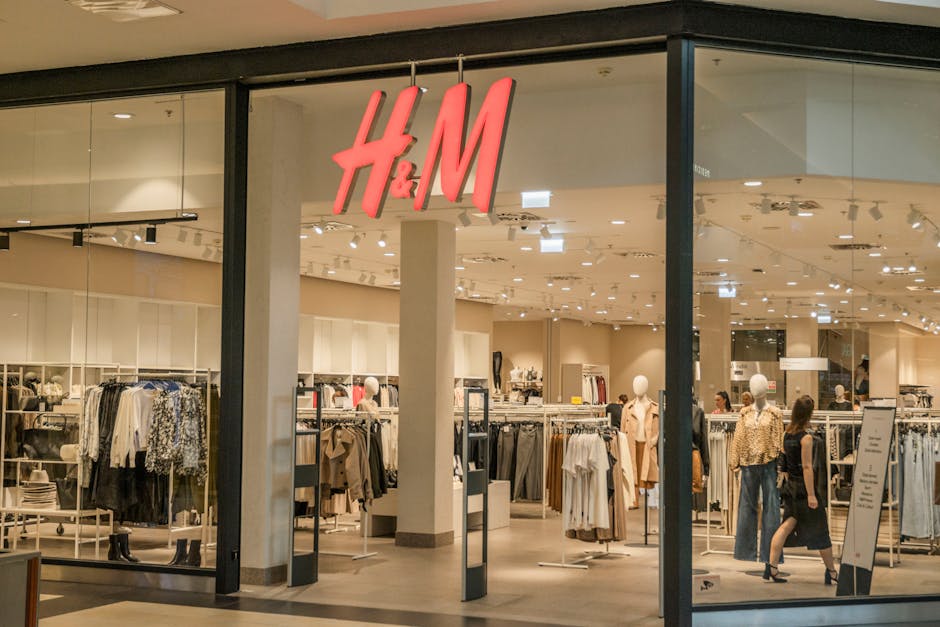
Australian fashion brands operate in a unique environment. The Southern Hemisphere calendar flips everything a Northern Hemisphere brand takes for granted — winter coats sell in July, not January; summer swimwear campaigns launch in October, not April. Add to that a highly engaged, fashion-literate customer base, strong competition from international brands with local fulfilment, and an e-commerce landscape where email consistently drives the highest return on investment of any channel.
If you’re running an Australian fashion or apparel brand, email is your most controllable, cost-effective marketing channel. This playbook covers everything you need: the seasonal campaign calendar, the automated flows, the segmentation strategy, and the Spam Act compliance foundations that protect your brand.
The Australian Fashion Calendar — Email Edition
The first thing to understand is that Australian fashion runs on a completely different seasonal rhythm to what most email marketing content assumes. Here’s the annual email calendar for Australian fashion brands:
January–February: Summer Sale & Autumn Pre-Season
- Post-Christmas clearance campaigns (Boxing Day through to late January)
- Transition content introducing Autumn/Winter preview arrivals
- Back-to-school campaigns for relevant categories (uniforms, footwear, accessories)
March–April: Autumn/Winter Launch
- Full Autumn/Winter range launch — your key new-season campaign window
- Easter campaigns (if relevant — gifting, travel outfits)
- ANZAC Day (April 25) — typically a quiet period; plan around it, not into it
May–June: Mother’s Day & Mid-Season
- Mother’s Day (second Sunday in May) — one of the biggest gifting events of the year for fashion
- Mid-season sale opportunity as early season enthusiasm wanes
- End of Financial Year (EOFY) campaigns in June — Australians are highly conditioned to EOFY sales
July: EOFY/Winter Clearance
- Australia’s most powerful sale period for fashion — EOFY and mid-year clearance combined
- Run your second biggest sale email sequence of the year here (after BFCM)
August–September: Spring Preview
- Spring/Summer preview and new arrivals launch
- Father’s Day (first Sunday in September) — gifting campaigns for menswear and accessories
October–November: Spring/Summer Launch & BFCM
- Full Spring/Summer range in market
- Halloween (growing in Australia but not dominant)
- Melbourne Cup Carnival (early November) — significant for racing fashion, occasion wear
- Black Friday/Cyber Monday — Australia has fully embraced BFCM; it’s now the biggest sales event of the year
December: Christmas & Boxing Day
- Christmas gifting campaigns from late November through Christmas Eve
- Boxing Day sale launch (December 26) — Australia’s most iconic retail sale event
The Core Automated Flows for Fashion Brands
Automated email flows run in the background, generating revenue regardless of what campaigns you’re sending. For fashion brands, these are the essential flows:
1. Welcome Series (5–7 emails over 14 days)
Your welcome series is the highest-ROI flow you’ll build. New subscribers are at peak engagement — they’ve just chosen to hear from you. Don’t waste it with a single discount-and-done email.
A strong fashion brand welcome series:
- Email 1 (immediate): Welcome, brand story, hero imagery — deliver on the promise of what they signed up for
- Email 2 (day 2): Your brand values and why you exist — Australian-made, sustainable, ethical sourcing, whatever differentiates you
- Email 3 (day 4): Bestsellers and current season highlights with strong product imagery
- Email 4 (day 7): Social proof — reviews, press mentions, customer photos
- Email 5 (day 10): The incentive email (if you’re using one) or a harder sell on your most popular categories
- Email 6 (day 14): Final nudge with urgency if they haven’t purchased
Send times optimised for AEST: 9–11am Tuesday to Thursday typically outperforms other windows for Australian fashion audiences.
2. Abandoned Cart (3-email sequence)
Cart abandonment rates in Australian fashion e-commerce hover around 70–75%. Even recovering 10–15% of abandoned carts through email represents significant incremental revenue.
- Email 1 (1 hour post-abandonment): Gentle reminder with product images, no urgency pressure
- Email 2 (24 hours): Social proof for the specific products abandoned — reviews, “low stock” if genuine
- Email 3 (72 hours): Conditional offer — a small incentive for first-time abandoners only
Keep abandoned cart emails visually consistent with your brand aesthetic. Fashion customers are design-sensitive — a poorly formatted or generic-looking email hurts conversion.
3. Browse Abandonment (2–3 emails)
Browse abandonment targets customers who viewed products but didn’t add to cart. This flow is particularly powerful for fashion brands because customers often browse multiple times before committing.
- Email 1 (4–6 hours post-browse): “Still thinking about it?” email featuring the viewed product with editorial styling
- Email 2 (48 hours): Alternative products in the same category — keeps the relationship warm even if the specific product wasn’t right
4. Post-Purchase Series
Post-purchase email sequences are dramatically under-invested in fashion. Most brands send a single order confirmation and stop. A strong post-purchase sequence:
- Order confirmation (transactional, immediate): Clear order summary, expected delivery timeframe
- Shipping confirmation (transactional, on dispatch): Tracking link, delivery estimate
- Email 1 (3 days post-delivery): Styling inspiration with the purchased item — content-led, non-promotional
- Email 2 (14 days post-delivery): Product review request — your reviews drive conversion for future customers
- Email 3 (30 days): Cross-sell to complementary categories based on what they purchased
- Email 4 (60 days): “New arrivals you’ll love” personalised to their purchase history
5. Win-Back Flow
Australian fashion customers are seasonal shoppers. Someone who bought once last summer may not have bought since — but they might be open to re-engagement if you approach it right.
Win-back sequence trigger: No purchase in 120 days for fashion (shorter than some categories due to seasonal shopping patterns)
- Email 1: “We miss you” with a curated edit of new season arrivals
- Email 2 (7 days later): Specific incentive to come back
- Email 3 (14 days later): Last chance message — if no engagement, move to suppression
Segmentation Strategy for Fashion Brands
Generic email blasts to your entire list are a wasted opportunity in fashion. The category naturally lends itself to deep personalisation:
Gender segmentation: If your brand spans menswear and womenswear, segment these rigorously. Nothing erodes brand trust faster than sending womenswear campaigns to menswear customers and vice versa.
Category preference: Customers who have bought swimwear want swimwear campaigns. Customers who’ve bought knitwear want knitwear content. Use purchase history to personalise new arrival emails.
Purchase frequency segments:
- VIP (3+ purchases): Treat these customers as your brand advocates. Give them early access to new arrivals, exclusive previews, and acknowledgement of their loyalty.
- Active (1–2 purchases in 12 months): Maintain regular engagement and nudge toward a second or third purchase.
- Lapsing (no purchase in 90–180 days): Targeted win-back approach.
- Dormant (no purchase in 180+ days): Suppress from standard campaigns, include only in reactivation sequences.
Size/fit preferences: If your platform captures size data, use it. Sending a campaign featuring a new range when you know what size the customer wears — and only showing in-stock sizes — dramatically improves click-through rates.
Australian Spam Act Compliance for Fashion Brands
The Australian Spam Act 2003 has specific requirements that fashion brands must meet:
Consent: You must have express or inferred consent to send commercial emails. For e-commerce, implied consent exists for customers who have made a purchase within the last two years. For subscribers who haven’t purchased, you need express consent (an opt-in checkbox or form submission).
Identification: Every email must clearly identify your brand — include your registered business name, ACN or ABN if relevant, and a physical or postal address.
Unsubscribe: Every commercial email must include a clear, functional unsubscribe link. Under the Spam Act, unsubscribe requests must be processed within 5 business days. In practice, Klaviyo, ActiveCampaign, Campaign Monitor, HubSpot, and Mailchimp all process unsubscribes in real time.
Practical compliance for fashion brands:
- Ensure new subscriber forms have a clear opt-in checkbox (pre-ticked checkboxes don’t constitute valid consent)
- Record the date, time, and source of consent for every subscriber
- Never re-subscribe contacts who have unsubscribed
- Maintain a clean suppression list — your ESP should handle this automatically
Campaign Content Strategy
Australian fashion audiences respond well to:
Editorial content: Strong product photography in lifestyle contexts performs better than white-background product images alone. Australian customers want to see how garments look in real life, on real Australians.
Seasonal storytelling: Tie campaigns to genuine seasonal moments — the transition from winter to spring, the anticipation of summer, the warmth of winter knitwear. Australian seasons resonate with Australian customers in a way that Northern Hemisphere content never quite does.
Local relevance: Reference Australian places, events, and cultural moments where genuine. Melbourne Cup, Splendour in the Grass, a long weekend in the Blue Mountains — these references land differently with Australian audiences than generic global content.
User-generated content (UGC): Australian fashion customers actively share their purchases on Instagram and TikTok. Incorporating customer photos in email campaigns builds social proof and community.
Transparency and values: Australian consumers are increasingly informed about the fashion industry’s environmental and ethical impact. Brands that communicate transparently about their supply chain, materials, and practices build deeper loyalty — and email is an ideal channel for this storytelling.
Email Metrics Benchmarks for Australian Fashion
Understanding what “good” looks like helps you diagnose problems and set targets:
| Metric | Benchmark Range |
|---|---|
| Open rate (campaign) | 22–35% |
| Click rate (campaign) | 2–5% |
| Click-to-open rate | 8–18% |
| Unsubscribe rate | Under 0.3% |
| Flow revenue share | 15–25% of total email revenue |
| Email revenue share (of total store revenue) | 25–40% |
If your numbers are below these benchmarks, the issues are usually: poor segmentation, sending too frequently to unengaged contacts, weak subject lines, or under-invested flows.
How Excelohunt Works with Australian Fashion Brands
Excelohunt is a done-for-you email marketing agency specialising in e-commerce brands. We work across Klaviyo, ActiveCampaign, Campaign Monitor, HubSpot, and Mailchimp — recommending the right platform for your business, not the one we prefer commercially.
For Australian fashion brands, our service includes:
- Complete seasonal campaign calendar aligned to the Australian fashion calendar
- Full flow build-out: welcome series, abandoned cart, browse abandonment, post-purchase, win-back
- Segmentation strategy and implementation
- List hygiene and deliverability management
- Australian Spam Act compliance audit and setup
Our fashion brand clients typically see email contributing 30–40% of total revenue within 90 days of engagement.
Ready to Build an Email Programme That Actually Drives Revenue?
Book a free audit and we’ll review your current email setup, identify the flows and campaigns you’re missing, and give you a clear roadmap.
Get your free email marketing audit — no obligation, no pitch, just honest advice from a team that works exclusively with e-commerce brands.
Want Us to Implement This for Your Brand?
Get a free email audit and see exactly where you're losing revenue.
Get Your Free Audit