Email Marketing for Australian Supplements & Nutrition Brands
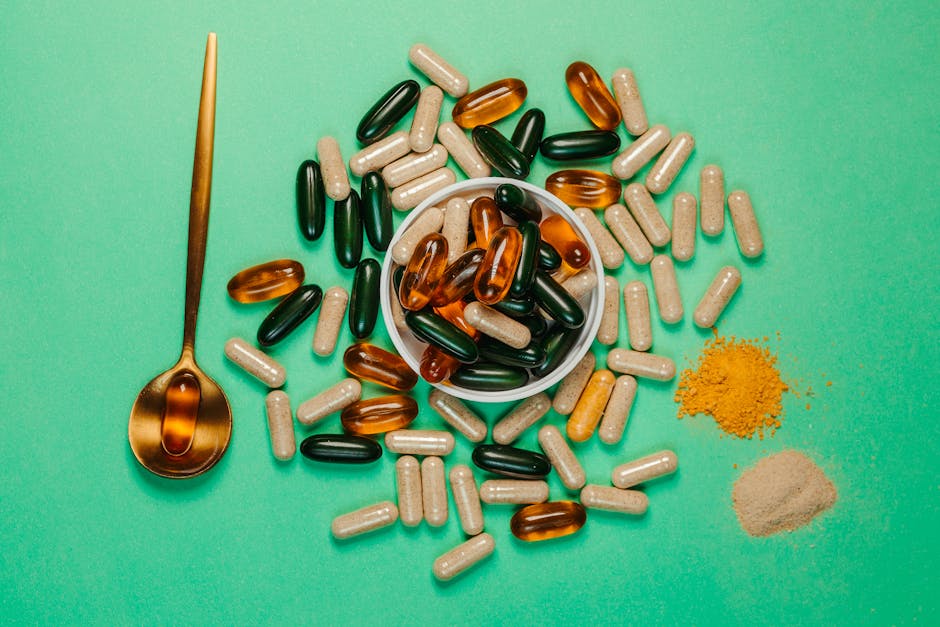
The Australian supplements and sports nutrition market is one of the fastest-growing segments of e-commerce, generating over $2.5 billion AUD annually. Protein powders, vitamins, prebiotics, magnesium, collagen — Australian consumers are increasingly informed about supplementation and willing to invest in their health.
For brands in this space, email marketing presents both a significant opportunity and a distinct set of challenges. The opportunity: supplements are replenishment products with predictable purchase cycles, creating natural infrastructure for recurring revenue. The challenges: Therapeutic Goods Administration (TGA) regulations restrict health claims, and the Australian Spam Act governs how you build and communicate with your list.
This playbook covers everything an Australian supplements or nutrition brand needs to know — from TGA-compliant email content to the flows that drive replenishment and the campaigns that build genuine brand loyalty.
The Supplements Market Email Opportunity
Supplements are a replenishment category with predictable purchase cycles. A customer taking a daily protein powder will exhaust a 2kg bag in approximately 30–40 days, depending on serving size. A multivitamin taken daily will last 30 days. A collagen powder: 30–40 days.
This predictability makes email an extraordinarily powerful channel for supplements brands because:
- Replenishment flows generate reliable, recurring revenue without requiring ad spend for each conversion
- Education-led email builds trust and reduces churn — customers who understand why they’re taking a supplement are far more likely to continue
- Cross-selling complementary supplements is natural and high-converting — a customer buying protein is a natural prospect for creatine, BCAAs, or a pre-workout
- Subscription conversion is achievable through email — moving customers from one-off purchases to recurring subscriptions dramatically increases LTV
Brands on Klaviyo, ActiveCampaign, Campaign Monitor, HubSpot, and Mailchimp that have properly built email programmes consistently generate 30–40% of total revenue through email.
TGA Compliance: What You Can and Cannot Say in Emails
This is non-negotiable for Australian supplements brands. The Therapeutic Goods Administration regulates therapeutic claims on supplements, and those regulations extend to advertising — including email marketing.
The key distinction:
- Complementary medicine advertising (vitamins, minerals, herbal supplements listed on the ARTG) is regulated by the TGA and the Therapeutic Goods Advertising Code
- Food products (many protein powders, meal replacements, sports nutrition products classified as food) are regulated by Food Standards Australia New Zealand (FSANZ) and the Australian Consumer Law
In practice, for email marketing:
Claims you can typically make (cosmetic/general health):
- “Supports energy levels”
- “Contributes to normal immune function”
- “Supports muscle recovery after exercise”
- “Formulated with [ingredient] to support [general outcome]”
Claims that require TGA substantiation or ARTG listing:
- “Treats fatigue”
- “Reduces cholesterol”
- “Cures [specific condition]”
- Specific measurable efficacy claims (“increases testosterone by 30%”)
Practical rules for email content:
- Do not make disease treatment or prevention claims unless your product is ARTG-listed and claims are permitted
- Use “supports” and “contributes to” rather than “treats” or “cures”
- Ensure any customer testimonials in emails don’t make claims beyond what the product label permits
- “Before and after” content must relate to legitimate outcomes (muscle gain through training + nutrition, not a specific therapeutic outcome)
If you’re unsure about a specific claim, review the TGA Advertising Hub or consult a TGA-compliant copywriter. Excelohunt works with regulatory consultants to ensure client email content is compliant.
Core Automated Flows for Supplements Brands
1. Welcome Series (6 emails over 21 days)
New subscribers to a supplements brand are typically in research or consideration mode. They’ve seen your product on social media, been referred by a friend, or are comparing options. Your welcome series needs to build authority and guide them toward their first purchase.
- Email 1 (immediate): Welcome with your brand story — founder story, why you exist, what makes your products different
- Email 2 (day 2): Your formulation philosophy — ingredient quality, sourcing, third-party testing, Australian manufacturing (if applicable)
- Email 3 (day 5): Education — the science behind your hero product in plain language (no therapeutic claims)
- Email 4 (day 8): Social proof — customer reviews, athlete or practitioner endorsements
- Email 5 (day 12): Solve their specific problem — what are they trying to achieve? Build content around common goals (muscle gain, energy, recovery, gut health)
- Email 6 (day 21): Conversion with a first-order offer
2. Replenishment Flow — Your Highest-ROI Automation
For a 30-day product (daily multivitamin):
- Email 1 (day 21): “Running low on [Product]?” gentle reminder
- Email 2 (day 27): Stronger nudge — “Don’t break your streak”
- Email 3 (day 33): Last chance reorder with free shipping offer or bundle incentive
For a 40-day product (2kg protein tub):
- Email 1 (day 30): Replenishment reminder
- Email 2 (day 37): Urgency nudge
- Email 3 (day 44): Final reorder prompt
Personalise by product — every customer should receive replenishment emails timed to the specific product they purchased.
3. Subscription Conversion Flow
If you offer a subscription option, use a post-purchase automation to convert one-time buyers to subscribers.
- Email 1 (day 14 post-purchase): “Love your [Product]? Subscribe and save [X]%” — introduce the subscription option
- Email 2 (day 28): Subscription reminder with convenience and savings angle
- Email 3 (day 35): “Never run out again” with a subscription-specific offer
Subscription conversion is one of the highest-value optimisations a supplements brand can make — a subscriber is worth 3–5x a one-time buyer in LTV terms.
4. Abandoned Cart (3 emails)
Supplements cart abandonment is heavily driven by price objection and credibility questions. Your abandoned cart sequence should address both.
- Email 1 (1 hour): Product reminder with key ingredient highlights
- Email 2 (24 hours): Address credibility — third-party testing, certifications, Australian-made status
- Email 3 (72 hours): Value framing — cost-per-serve calculation, compare to buying equivalent elsewhere
5. Educational Drip Post-Purchase
Customers who understand how to use your supplements get better results and remain loyal. Build an educational sequence post-purchase.
- Week 1: How to use [product] for best results — timing, dosing, stacking
- Week 2: What to expect — set realistic timeline expectations
- Week 3: Common mistakes people make with [ingredient/product]
- Week 4: Complementary products that pair well with their purchase
6. Cross-Sell Flows
Supplements lend themselves to natural cross-selling:
- Protein purchasers → creatine, BCAAs, pre-workout
- Collagen purchasers → vitamin C (essential for collagen synthesis), hyaluronic acid
- Probiotic purchasers → prebiotic fibre, magnesium
- Greens powder purchasers → protein, omega-3
Build cross-sell automations triggered 30 days after first purchase, recommending complementary products to the specific item purchased.
Campaign Calendar for Australian Supplements Brands
January: New Year fitness and health resolutions — your biggest non-promotional campaign window. Subscribers are highly motivated. Lead with value, education, and goal-setting content.
February: Valentine’s Day (gifting angle for wellness products — less traditional but growing)
March–April: Autumn fitness — as the outdoor exercise season in southern states adjusts, re-engage your fitness community around gym training, recovery, and nutrition goals
May: Mother’s Day — women’s health supplements, collagen, beauty-from-within products
June–July: EOFY sale — very strong for supplements brands. Australians are conditioned to EOFY purchasing and supplements are a considered purchase where a sale can tip the decision.
August–September: Spring fitness season begins — running season, outdoor training resumes, weight management. Father’s Day (September) for men’s health ranges.
October–November: Spring body campaign — pre-summer motivation peak. Your second-biggest campaign window after January. Black Friday/Cyber Monday for biggest promotional push.
December: Christmas gifting — wellness gift ideas, gift cards, “treat yourself” end-of-year messaging.
Australian Spam Act Compliance
The Spam Act 2003 requirements for supplements brands:
Consent: Inferred consent applies for customers who have purchased within two years. For new subscribers who haven’t purchased, you need express consent via a clear opt-in.
Health-related email sensitivity: While the Spam Act itself doesn’t have specific rules for health products, the ACCC’s Unsolicited Electronic Messages Act (the Spam Act) requires all commercial emails to meet the three criteria: consent, identification, and unsubscribe mechanism.
Practical compliance:
- Ensure opt-in forms at checkout include a separate, unticked marketing consent checkbox
- Website pop-ups should have explicit consent language
- Record consent source, date, and time for all subscribers
- Include a physical address in all emails
- Process unsubscribes immediately (your ESP handles this)
Segmentation for Supplements Brands
Goal-based segmentation: Customers buying for muscle gain have different needs than those buying for gut health or immune support. If you can capture health goals at opt-in (quiz, survey), use that data to segment and personalise.
Product category segments: Protein buyers, vitamin buyers, sports performance buyers — each has a distinct profile and cross-sell path.
Purchase frequency:
- Subscribers (highest value): Priority treatment, loyalty rewards
- Repeat buyers (2+ orders): Cross-sell focus, conversion to subscription
- Single buyers: Education and replenishment focus
- Lapsing (90+ days since last purchase): Targeted reactivation
Active vs. inactive: Standard 30–60–90 day re-engagement windows. Supplements customers who lapse often do so because they achieved their goal or lost motivation — reactivation messaging should address this directly.
Email Metrics for Australian Supplements Brands
| Metric | Target Range |
|---|---|
| Open rate (campaigns) | 25–38% |
| Click rate | 2.5–5% |
| Replenishment flow conversion | 20–35% |
| Welcome series purchase rate | 10–18% |
| Email revenue share | 28–40% of total revenue |
Supplements brands with strong replenishment infrastructure tend to see email generating a higher revenue share than most other categories.
How Excelohunt Helps Australian Supplements Brands
Excelohunt builds done-for-you email programmes for Australian supplements and nutrition brands. We understand TGA compliance requirements and work with compliance consultants to ensure your email content never crosses into problematic claims territory.
Our service for supplements brands includes:
- TGA-aware email content strategy and templates
- Complete replenishment flow infrastructure by product
- Subscription conversion automation
- Cross-sell flow build-out
- Spam Act compliance setup and audit
- Seasonal campaign calendar management
We work across Klaviyo, ActiveCampaign, Campaign Monitor, HubSpot, and Mailchimp — recommending the right platform for your business model and stack.
Ready to Turn Your Email Programme Into a Replenishment Machine?
Our free audit reviews your current flows, campaign strategy, and compliance setup — and shows you exactly what revenue you’re leaving on the table.
Book your free email marketing audit and see what a fully built supplements email programme looks like.
Want Us to Implement This for Your Brand?
Get a free email audit and see exactly where you're losing revenue.
Get Your Free Audit