Email Marketing for Food & Beverage Brands: Strategies That Convert
Food and beverage is one of the most naturally email-friendly e-commerce categories. Products are consumable, repurchase cycles are short (14-45 days for most items), and customers have strong brand loyalty once hooked. The best F&B email programs generate 35-50% of total revenue from email and SMS.
But F&B also has unique challenges. Margins are typically tighter than apparel or beauty (30-50% vs. 60-80%). Customer acquisition costs are rising. And the subscription model — which is where the real money is in F&B — requires a specific email strategy to drive enrollment and reduce churn.
We’ve built email programs for over 60 food and beverage brands, from DTC coffee roasters to snack companies to functional beverage lines. Here’s what works.
Key Takeaways
- F&B brands should target 35-50% of revenue from email and SMS combined
- Subscription conversion is the #1 email marketing priority for F&B — subscribers have 3-5x higher LTV than one-time buyers
- Replenishment flow timing is critical and should be based on actual product consumption, not arbitrary intervals
- Recipe and usage content drives 25-40% higher engagement than promotional emails
- Flavor/variety discovery emails reduce subscription churn by 15-25%
- Review and UGC collection is essential — 70% of F&B purchase decisions are influenced by peer reviews
The F&B Email Flow Stack
1. Welcome Series (5-6 Emails)
The F&B welcome series has a clear mission: convert the subscriber to a first purchase and plant the seed for a subscription.
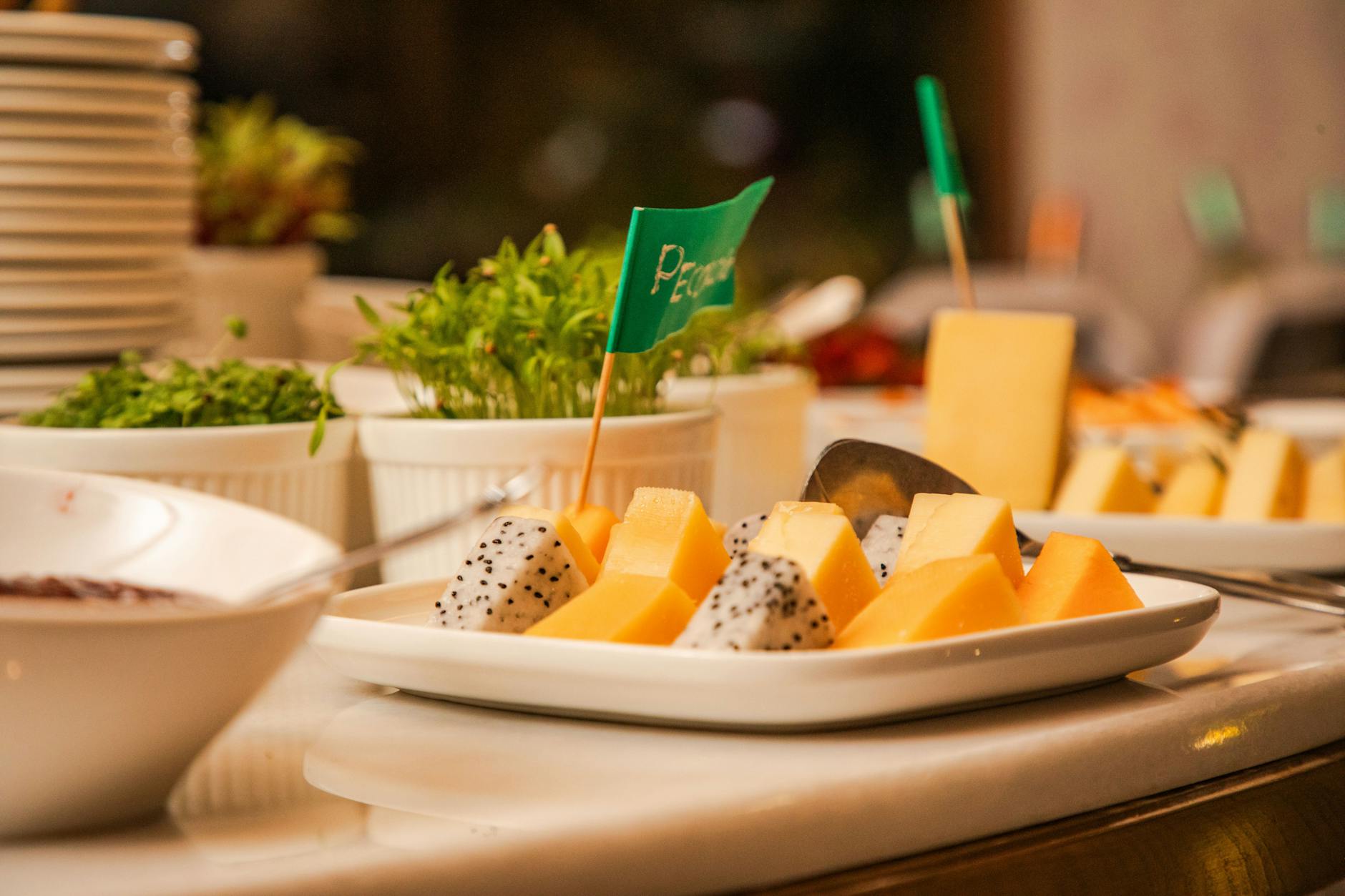
Email 1 (Immediate): Welcome + incentive. Deliver the discount code. Include your #1 bestselling product with a strong hero image. For F&B, food photography quality is everything — appetizing images increase click rates by 30-40% compared to product shots on white backgrounds.
Email 2 (Day 2): Origin story and brand values. Where do your ingredients come from? What’s your sourcing story? F&B customers care about provenance, sustainability, and transparency more than almost any other category. 73% of food consumers say ingredient transparency influences their purchase decisions.
Email 3 (Day 4): Social proof roundup. Customer reviews, taste test results, media mentions, influencer endorsements. For food products, taste anxiety is the #1 purchase barrier for new customers. Social proof directly addresses “what if I don’t like it?”
Email 4 (Day 6): Recipe or usage content. Show how your product is used. Coffee brands: brewing guides. Hot sauce: recipe pairings. Snacks: entertaining ideas. Protein powder: smoothie recipes. This positions your product as part of a lifestyle, not just an item.
Email 5 (Day 9): Subscription introduction. “Never run out of [Product]. Subscribe and save 15%.” Explain the value prop: convenience, savings, priority access, exclusive flavors. Include a comparison: one-time price vs. subscription price with annual savings calculated.
Email 6 (Day 12): Final incentive push. “Your welcome offer expires in 48 hours.” Reiterate the discount and add a secondary offer: free shipping, bonus item, or upgraded subscription tier.
Welcome Series Benchmarks for F&B
| Metric | Average | Good | Top Performers |
|---|---|---|---|
| Open rate (email 1) | 50% | 60% | 70%+ |
| Click rate (email 1) | 8% | 12% | 18%+ |
| Revenue per recipient | $1.50 | $3.50 | $6.00+ |
| First purchase conversion | 8% | 15% | 25%+ |
| Subscription conversion | 2% | 5% | 10%+ |
2. Replenishment Flow
This is the highest-ROI flow for any consumable product brand. When you time the reminder correctly, conversion rates hit 10-20% because the need is real and immediate.
Calculating Replenishment Timing
Map your product catalog to consumption timelines:
| Product Type | Typical Size | Usage Frequency | Reminder Day |
|---|---|---|---|
| Coffee beans | 12 oz bag | Daily (2 cups) | Day 18-21 |
| Protein powder | 2 lb tub | Daily (1 scoop) | Day 25-28 |
| Hot sauce | 5 oz bottle | 3-4x per week | Day 35-40 |
| Snack box | 12-pack | Daily (1 per day) | Day 10-12 |
| Tea | 20-bag box | Daily (1-2 cups) | Day 14-18 |
| Supplements | 30-day supply | Daily | Day 23-25 |
| Olive oil | 500ml | Regular cooking | Day 40-50 |
Set up individual Klaviyo flows for your top 5-10 SKUs. Use the “Placed Order” metric as the trigger, filter by specific product, and set the time delay based on the table above.
Replenishment Email Sequence
Email 1 (Trigger day): “Time for a refill?” Product image, one-click reorder button, subscription upsell. Keep it simple — this email should be 80% product image and CTA, 20% text.
Email 2 (Trigger + 3 days): “Running low? Here’s free shipping on your reorder.” Add a small incentive to push conversion.
Email 3 (Trigger + 6 days): “Subscribe and never think about it again.” Full subscription pitch with savings math, flexibility messaging (pause, skip, cancel anytime), and social proof from happy subscribers.
SMS (Trigger + 2 days, if opted in): “Running low on [Product]? Reorder with free shipping: [link].” SMS replenishment reminders convert 15-20% higher than email alone for F&B products because the purchase decision is low-consideration and immediate.
Use Klaviyo Conditional Splits to check if the customer has already reordered or subscribed before each email. No one wants a reorder reminder for something they already bought.
3. Subscription Conversion Flow
For F&B brands, converting one-time buyers to subscribers is the most important business metric email can influence. A subscriber paying $30/month for coffee has an average 8-month tenure — that’s $240 LTV from a customer who might have only spent $30 once.
When to Trigger
Trigger the subscription conversion flow after the second purchase. First-time buyers aren’t ready for a subscription commitment — they haven’t proven to themselves they like the product enough. After the second purchase, they’ve demonstrated repeat intent.
Email 1 (Day 1 after 2nd purchase): “You’re officially a regular. Want to make it official?” Subscription benefits breakdown: savings (calculate annual savings), convenience (automatic delivery), flexibility (full control to pause/skip/cancel), exclusives (subscriber-only flavors or early access).
Email 2 (Day 4): “The math on subscribing.” A clear financial comparison. “You’ve bought [Product] twice at $X each. As a subscriber, you’d pay $Y per month — saving $Z per year. That’s [equivalent to X free bags/bottles/boxes].”
Email 3 (Day 7): Social proof from subscribers. “Here’s why 12,000 customers subscribe.” Testimonials specifically about the subscription experience — convenience, never running out, trying new flavors.
Email 4 (Day 10): Limited-time subscription offer. “Subscribe this week and get your first month 50% off” or “Subscribe and get a free [bonus product].”
This flow converts 8-15% of eligible recipients to subscription for top-performing F&B brands.
4. Subscription Retention Flow
Acquiring a subscriber is only half the battle. The average F&B subscription churn rate is 10-15% per month. Reducing that by even 2-3 percentage points has an outsized impact on revenue.
Pre-Charge Reminder (3 days before billing): “Your next box ships in 3 days. Here’s what’s inside.” Give subscribers a chance to modify, swap flavors, or add items. This reduces involuntary churn from “I forgot” cancellations by 20-30%.
Post-Delivery Check-In (2 days after delivery): “How’s your latest order?” Quick satisfaction check. Include a link to rate the items, swap flavors for next time, or contact support.
Milestone Emails: “You’ve been a subscriber for 3 months — here’s a bonus!” Celebrate subscription anniversaries with a small reward. Recognition reduces churn by 10-15%.
Flavor/Variety Discovery: Monthly or bi-monthly “Try something new” emails. Subscription fatigue is the #1 reason for voluntary churn. Introducing variety keeps the experience fresh. “This month, swap one of your regular items for our new [flavor/variety] — on us.”
Win-Back for Paused/Cancelled Subscribers: If someone pauses, wait 7 days, then send: “We saved your subscription settings. Resume anytime with one click: [link].” If someone cancels, wait 3 days, then send a feedback request followed by a strong reactivation offer at day 10.
Campaign Strategy for F&B Brands
The Content Mix
F&B email campaigns should follow this content ratio:
- 35% recipe and usage content: Recipes, pairings, preparation guides, entertaining ideas
- 30% product and promotional: New flavors, seasonal items, bundles, sales
- 20% education and storytelling: Sourcing stories, founder content, ingredient spotlights, process videos
- 15% community and UGC: Customer photos, reviews, social media features, contest winners
High-Performing Campaign Types
New Flavor/Product Launches. F&B customers love novelty. New flavor announcements consistently generate the highest engagement rates across our F&B clients. Structure as a 3-email sequence: teaser, launch day, and follow-up with first reviews.
Seasonal Collections. “Fall Flavors Are Here” or “Summer Sips Collection.” Seasonal campaigns tie your products to moments and create urgency (limited-time availability).
Recipe Series. A weekly or bi-weekly recipe email featuring your products drives engagement and purchase frequency. A specialty food brand we work with runs a “Recipe of the Week” series that consistently achieves 35% open rates and 5% click rates — well above their promotional emails.
Behind-the-Scenes. Production tours, roasting process videos, farm visits, team introductions. F&B customers connect with the human element. These emails have the highest forward rates and social shares.
Bundle and Variety Pack Promotions. “Build your own box” or “Try our sampler” campaigns work exceptionally well for new customer acquisition and for existing customers exploring your range. Bundle campaigns have 20-30% higher AOV than single-product promotions.
Segmentation for F&B Brands
Flavor/Product Preference Segments
Track what each customer buys and segment accordingly:
- Single-product loyalists: Always buy the same thing. Target with reorder reminders and subscription offers for that specific product.
- Explorers: Buy different products each time. Target with new flavors, limited editions, and variety packs.
- Gifters: Purchase patterns suggest gifting (different shipping address, holiday timing). Target with gift bundles and gift subscriptions.
Dietary and Lifestyle Segments
If you offer products across dietary categories, segment by:
- Vegan/plant-based
- Keto/low-carb
- Gluten-free
- Organic preference
- Sugar-free
Collect this data through a quiz at signup, post-purchase surveys, or infer from purchase history. Then use Klaviyo’s Conditional Content to dynamically show relevant products within campaigns.
Purchase Frequency Segments
- Weekly buyers: Your power users. Light-touch communication — they don’t need convincing.
- Monthly buyers: Core audience. Replenishment reminders + variety suggestions.
- Quarterly buyers: Casual customers. Stronger incentives + education to increase frequency.
- Lapsed (60+ days no purchase): Winback flow with “what’s new” content and a return incentive.
F&B-Specific Klaviyo Features
Product Catalog Integration
Ensure your Klaviyo product catalog is fully synced with your Shopify store. This enables:
- Dynamic product blocks in emails that update automatically
- Browse abandonment flows triggered by specific product or category views
- AI-powered product recommendations based on purchase patterns
- Back-in-stock notifications for popular items that sell out
Custom Events for Subscription Platforms
If you use Recharge, Skio, or Bold Subscriptions, integrate with Klaviyo to track subscription-specific events:
- Subscription created
- Subscription paused
- Subscription cancelled
- Subscription reactivated
- Upcoming charge
- Failed payment
Each of these events should trigger a specific flow. Failed payments alone account for 20-40% of subscription churn — a simple “update your payment method” flow recovers 30-50% of failed charges.
Review Integration
Integrate Klaviyo with Judge.me, Yotpo, or Stamped to:
- Trigger review request emails 5-7 days after delivery (for F&B, this is enough time to try the product)
- Include review content dynamically in campaigns and flows
- Segment by review sentiment (positive reviewers get referral asks; negative reviewers get customer service outreach)
Benchmarks for F&B Email Programs
| Metric | Average | Good | Top Performers |
|---|---|---|---|
| Email revenue as % of total | 20% | 35% | 50%+ |
| Campaign open rate | 22% | 30% | 38%+ |
| Campaign click rate | 2.5% | 4.0% | 6.0%+ |
| Welcome flow conversion | 8% | 15% | 25%+ |
| Replenishment flow conversion | 6% | 12% | 20%+ |
| Subscription conversion (2nd purchase) | 3% | 8% | 15%+ |
| Monthly subscription churn | 12% | 8% | 5% |
| Revenue per email subscriber (annual) | $15 | $30 | $55+ |
Common F&B Email Mistakes
Ignoring food photography. In F&B email, the image is the message. A beautifully shot hero image of your product in use (being poured, plated, prepared) outperforms a product-on-white-background shot by 40-60% in click-through rates. Invest in photography.
Not pushing subscriptions hard enough. Many F&B brands mention subscriptions once and give up. The data says it takes 3-5 subscription-focused touchpoints before a customer converts. Dedicate a full flow to it.
Generic replenishment timing. “30 days after purchase” for every product is lazy. A 12-oz bag of coffee runs out in 3 weeks for a daily drinker. A bottle of hot sauce lasts 5-6 weeks. Map your actual consumption data.
Neglecting subscription retention. Acquiring a subscriber who churns in 2 months gives you the same LTV as a one-time buyer. Invest equally in retention flows (pre-charge reminders, variety suggestions, milestone rewards) as you do in acquisition flows.
Skipping seasonal content. F&B is inherently seasonal. Pumpkin spice in fall, refreshing drinks in summer, comfort food in winter. Brands that align their email calendar with seasonal expectations see 20-30% higher engagement during seasonal campaigns.
The Revenue Roadmap for F&B
- Month 1-2: Core flows live (welcome, abandoned cart, post-purchase, basic replenishment). Email contributes 15-20% of revenue.
- Month 3-4: Subscription conversion flow + replenishment optimization. Email reaches 25-30%.
- Month 5-6: Full segmentation, recipe content series, subscription retention flows. Email reaches 30-40%.
- Month 9-12: Predictive analytics, advanced personalization, seasonal campaign optimization. Email sustains 35-50%.
The compounding effect of subscriptions makes F&B email programs uniquely powerful. Every subscriber you convert creates predictable recurring revenue that grows your baseline month over month. A 5% monthly subscription conversion rate, compounded over 12 months with an 8% monthly churn rate, builds a subscription base that transforms your business economics.
Want us to set this up for your store? Get a Free Audit
More in E-Commerce
- Email Marketing for UK Subscription Box Brands: Reducing Churn and Growing LTV
- Email Marketing for Australian Shopify Brands: The Complete Setup Checklist
- Email Marketing for UK Supplements & Nutrition Brands
- How Australian E-Commerce Brands Can Win Back Lapsed Customers With Email
- Email Marketing for Canadian Supplements & Nutrition Brands
Want Us to Implement This for Your Brand?
Get a free email audit and see exactly where you're losing revenue.
Get Your Free Audit