Email Marketing for UK Fashion & Apparel Brands: Flows, Campaigns & GDPR
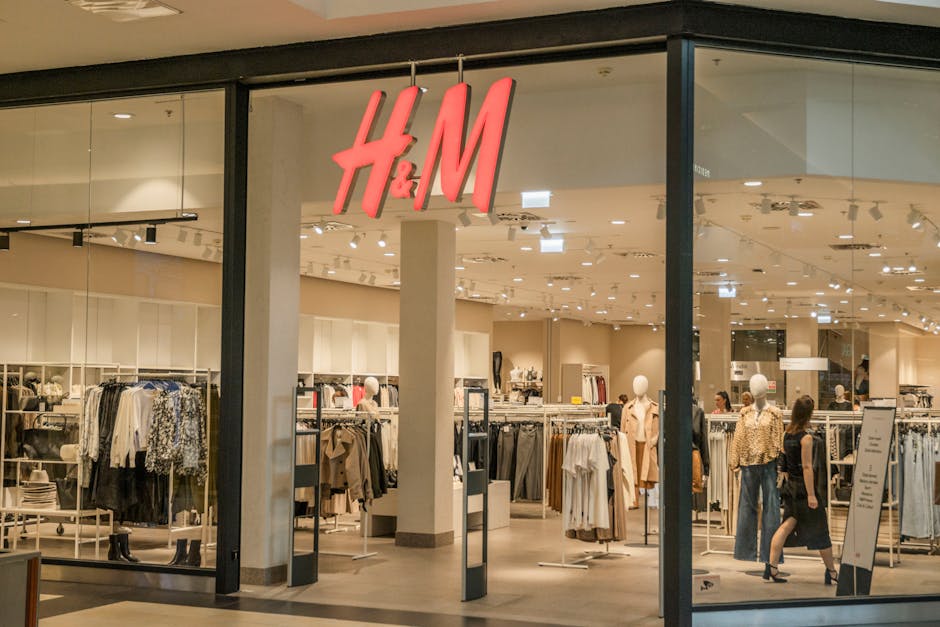
UK fashion and apparel is one of the most email-competitive categories in e-commerce. Consumers are subscribed to dozens of fashion brands simultaneously. Their inboxes are saturated with new arrivals, sale alerts, and “exclusive member” offers from every brand they’ve ever bought from.
In this environment, the fashion and apparel brands generating 30–40% of their revenue from email are not winning by sending more. They are winning through better segmentation, stronger product storytelling, smarter flow architecture, and a calendar that respects the specific rhythms of UK fashion retail.
This guide covers the complete email marketing strategy for UK fashion and apparel brands — from GDPR-compliant list building through to flow architecture and seasonal campaign planning.
The UK Fashion Email Landscape in 2026
UK fashion and apparel is a £57bn+ industry, with a growing share moving online. Post-pandemic, consumers have recalibrated their relationship with fashion brands — they are more selective about the brands they’re loyal to, more sensitive to excessive promotional frequency, and increasingly influenced by sustainability credentials and brand values.
For email marketing, this means:
Brand voice matters more than ever. Generic “SALE NOW ON” blasts are increasingly tuned out. Fashion emails that succeed in 2026 have a distinct editorial voice, strong visual identity, and tell a coherent brand story.
Segmentation is non-negotiable. A fashion brand with 50,000 subscribers has at minimum ten meaningfully different audience segments: by gender, by category preference (occasion wear vs casual vs workwear), by purchase frequency, by price point affinity, by new-to-brand vs loyal. Sending the same email to all of them wastes the platform’s potential.
Seasonal relevance is the baseline. UK fashion consumers expect seasonal relevance. An email in March that doesn’t acknowledge spring or that still leads with Christmas product is immediately irrelevant.
GDPR-Compliant List Building for UK Fashion Brands
Fashion brands typically have several list-building options that work particularly well:
Style preference capture at sign-up. Rather than a generic “join our newsletter” popup, fashion brands can ask new subscribers about their style preferences, size, and gender at sign-up. This serves two purposes: it provides segmentation data from day one, and it makes the opt-in feel personalised and valuable rather than generic.
Example popup: “Sign up for early access, exclusive looks and personalised style picks. Tell us about you:” followed by gender/size options and an explicit marketing opt-in tick box.
This is fully GDPR-compliant because: the subscriber is actively providing the data, the consent purpose is clearly stated, and the data collected is specific and relevant to the email marketing service being offered.
New season launches and waitlists. “Be first to see the SS26 collection” or “Join the waitlist for our limited drop” are compelling fashion-specific list-building mechanics that attract high-intent subscribers.
Fashion guides and editorial content. A “How to style [trend]” guide, a seasonal lookbook PDF, or a “Get the look” curation piece serves as a content lead magnet that attracts fashion-engaged subscribers.
All sign-up mechanisms must meet UK GDPR and PECR requirements: unambiguous opt-in, clear statement of purpose, no pre-ticked boxes, and consent recorded with timestamp and source.
The Fashion Email Calendar: UK Seasonal Hooks
Fashion email performs best when it is anchored to genuine seasonal moments. Here is the UK fashion email calendar:
January: January sales (starts Boxing Day), new year refresh, knitwear and outerwear while it’s still cold, first glimpse of spring/summer collection previews.
February: Valentine’s Day (gifting angle for couples, self-treat angle for individual styling). Transition to spring styling.
March: UK Mother’s Day (fourth Sunday of Lent, typically mid-March). Spring collection launch. International Women’s Day content opportunity. Easter begins to appear in late March.
April: Easter weekend (Bank Holiday Monday in the UK). Spring/summer collection in full. Transition from workwear to holiday and occasion wear.
May: Bank Holidays (Early May Bank Holiday and Late May Bank Holiday). Festival season begins — Glastonbury preparation for music festival styling. Wedding season preview.
June: Father’s Day. Wedding season peak. Summer styling and holiday wardrobe. End-of-season sale preparation begins.
July/August: Summer sale (major UK fashion event), August Bank Holiday, back-to-school preparation (for relevant categories).
September: Autumn/winter preview. Fashion Week season — editorial content opportunity. Back-to-work wardrobing.
October: Halloween (costume and occasion wear). AW collection mid-point. Gift guide content begins.
November: Black Friday (typically the UK’s biggest fashion sale event). Pre-Christmas gifting.
December: Christmas gift guides, Christmas party styling, Boxing Day sale launch.
Core Email Flows for UK Fashion Brands
Welcome Series: Personalised from Day One
A fashion welcome series should lean into style and aspiration from the first email. Use the preference data captured at sign-up to personalise even the first email — a subscriber who indicated preference for occasionwear should see occasion product in their first email, not a generic brand overview.
Email 1 (Immediate): Welcome + discount delivery. Visual, product-forward, with the brand’s strongest imagery. Include the welcome discount prominently.
Email 2 (Day 2): Brand story. Why this brand exists, who designs the collections, what the brand stands for. UK fashion consumers increasingly buy into brand ethics and sustainability — this email is where that story goes.
Email 3 (Day 4): Curated collection based on preferences. If you captured style preferences at sign-up, this email shows category-relevant products. If not, show best-sellers and most-reviewed pieces.
Email 4 (Day 7): Social proof and community. UGC from real customers wearing the brand. Instagram-sourced imagery. Reviews. The community element is increasingly important for UK fashion brands.
Email 5 (Day 14): Discount expiry reminder (if still unconverted) or editorial content — a how-to-style piece, a seasonal guide. Move the relationship from promotional to value-driven.
Abandoned Cart for Fashion: Addressing Sizing Hesitation
Fashion abandoned cart has a specific challenge that other categories don’t face to the same degree: customers abandon because of uncertainty about sizing and fit, not just price or distraction.
Email 1 (1 hour): Standard cart reminder. Show the abandoned product. Include one click to complete the purchase.
Email 2 (24 hours): Address the specific objection of sizing. “Not sure about sizing?” Include a link to your size guide, any “true to size” reviews for the specific product, and any return policy information. Free returns should be prominently stated if available.
Email 3 (48–72 hours): Social proof specific to the abandoned product. Customer photos and reviews. “186 customers love this dress” messaging. Urgency if stock is genuinely limited.
Post-Purchase: Driving Second Purchase
The biggest challenge in UK fashion is converting a first-time buyer into a repeat customer. The post-purchase sequence is your primary lever.
Email 1 (After delivery): Styling the purchase. How to wear the item they bought — three outfit ideas, complementary pieces, occasion suggestions. This is value-adding, not overtly commercial, and creates an emotional connection with the purchase.
Email 2 (Day 5–7): Introduction to complementary categories. If they bought a dress, introduce your accessories or shoes.
Email 3 (Day 14): Review request with UGC prompt. “How are you wearing your [product]? Share a photo.” UGC generated here feeds back into your browse abandonment and new arrival emails.
Email 4 (Day 30): New arrivals or sale access relevant to their purchased category.
Browse Abandonment: Product Desire
Fashion browse abandonment performs particularly well because fashion browsing is inherently desire-driven. A subscriber who views the same product page three times is expressing genuine intent.
The browse abandonment email should:
- Show the browsed product prominently with strong imagery
- Include related products (“You might also love”)
- Provide any relevant editorial context (“How to style this”)
- Include reviews and ratings for the browsed product
Win-Back for Fashion: New Season as the Hook
Fashion win-back emails work best when anchored to a new season or collection rather than a discount. “We have something we think you’ll love — and it’s just arrived” performs better than “Come back, here’s 15% off” for fashion customers who lapsed due to preference change rather than price.
Campaign Strategy: Moving Beyond the Blast
The brands generating 30%+ of revenue from email in UK fashion are not sending more campaigns — they’re sending more relevant campaigns. Here is what a strong weekly campaign rhythm looks like:
High-engagement segment (opened/clicked in last 30 days):
- 2–3 emails per week during peak periods (launch weeks, sale periods)
- 1–2 per week in standard periods
- Mix of: new arrivals, editorial, sales events, UGC features
Mid-engagement segment (31–90 days):
- 1–2 emails per week maximum
- Focus on: new season launches, sale events, strong best-sellers
- Avoid purely editorial content — this segment needs commercial hooks to re-engage
Lower engagement (91–180 days):
- 1 email per week maximum
- A/B test subject lines and content styles to find what re-engages
- Feed non-engagers into win-back flow after 120 days
New season launch emails are the single most impactful campaign type for UK fashion brands. A well-executed spring/summer launch email — strong editorial photography, a clear seasonal narrative, a curated selection of hero products — will consistently outperform generic promotional sends on both engagement and revenue metrics.
Styling and Editorial Email Content
Fashion email has a unique advantage over other categories: the product is inherently visual and emotional. Email is an excellent channel for editorial content that builds brand affinity alongside commercial intent.
Types of editorial email content that work for UK fashion brands:
“How to Wear It” series: Take a hero product and show it styled five different ways — casual, workwear, occasion, weekend, holiday. This drives both aspiration and practical purchase motivation.
“Get the Look” trend reports: Curate looks around a seasonal trend. “The linen look for summer” or “Autumn layering” — these position the brand as a style authority, not just a shop.
Customer style spotlights: Feature real customers wearing the brand (with permission, which is a GDPR-relevant consent point). UGC in email consistently improves click rates and conversion rates.
Behind-the-scenes content: Design process, sustainable sourcing, team profiles. Increasingly important for UK fashion consumers who are making purchase decisions based on brand values.
The proportion of editorial to promotional email should reflect your brand positioning. Premium and aspiration brands should lean more editorial (perhaps 40% editorial, 60% promotional). Value and fast-fashion brands can lean more promotional. But even fast-fashion brands benefit from some editorial content to maintain subscriber engagement without a constant promotional cadence.
GDPR Considerations Specific to Fashion
Size and preference data. If you capture size and style preference data at sign-up, this is personal data under UK GDPR and must be included in your privacy policy disclosures. You must be able to delete or correct this data if a subscriber requests it.
UGC and consent. Using customer photos in emails requires explicit permission from the customer. This should be captured at the time of UGC submission (a submission form should include a clear tick box granting permission for your brand to use the image in email marketing).
Segmentation transparency. UK consumers are increasingly aware of and interested in how brands use their data. Fashion brands who send genuinely personalised emails (and mention this in their privacy communications) generally see better consent rates and lower opt-out rates.
Platform Recommendations for UK Fashion Brands
Klaviyo is the dominant choice for UK fashion brands on Shopify. Strong product feed integration for dynamic product blocks, powerful segmentation for category-based personalisation, and excellent flow builder for the multi-branch abandoned cart sequences fashion brands need.
Omnisend is strong for fashion brands wanting email and SMS combined — useful for product drop and limited-edition release notifications.
Dotdigital is a good choice for larger UK fashion retailers with multi-platform commerce (Magento, WooCommerce), physical retail data integration, or complex multi-channel automation requirements.
ActiveCampaign suits fashion brands with a B2B wholesale component alongside their DTC channel.
HubSpot, Mailchimp, and Brevo are viable for earlier-stage fashion brands where budget constraints are a primary consideration.
Excelohunt works across all of these platforms and has delivered email marketing programmes for UK fashion brands across all revenue stages.
Key Metrics for UK Fashion Email Benchmarks
| Metric | Strong | Average |
|---|---|---|
| Campaign open rate (cleaned) | 28–35% | 20–27% |
| Campaign click rate | 2.5–4.5% | 1.5–2.5% |
| Email revenue share | 28–38% | 18–25% |
| Welcome series Email 1 open rate | 45–55% | 35–45% |
| Abandoned cart recovery rate | 12–18% | 8–12% |
| Second purchase rate (30 days) | 18–25% | 10–18% |
Conclusion
UK fashion email marketing in 2026 rewards brands that invest in editorial quality, genuine personalisation, and seasonal relevance. The channel is competitive, but it is far from saturated for brands doing it well. The combination of strong automation (capturing revenue 24/7), a thoughtful seasonal campaign calendar (aligned to the UK fashion year), and GDPR-compliant list building creates a programme that compounds in value over time.
Fashion brands who treat email as a broadcast channel for sale announcements will continue to see declining engagement. Those who treat it as a relationship channel — with strong brand voice, genuine personalisation, and content that makes subscribers glad they’re on the list — will see email become their most profitable channel.
Want Us to Implement This for Your Brand?
Get a free email audit and see exactly where you're losing revenue.
Get Your Free Audit