Email Marketing for US Fashion & Apparel Brands: Flows, Campaigns & Strategy
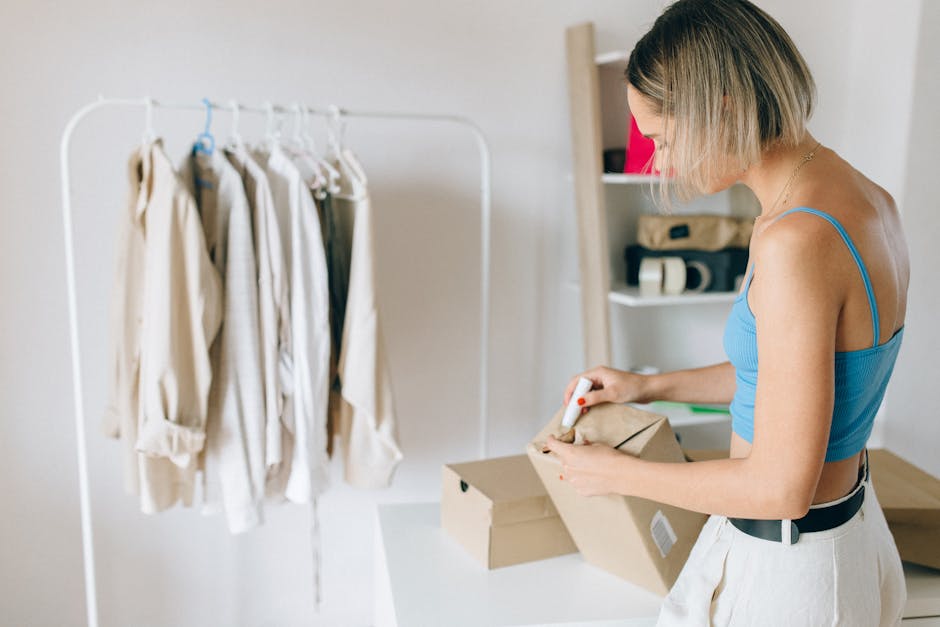
Fashion and apparel is one of the most competitive categories in US e-commerce — and one of the highest-performing for email when it is done right. The average US fashion brand doing serious email generates 25–35% of its total e-commerce revenue from the channel. The best-run programmes push that above 40%.
The gap between average and excellent comes down to three things: the right flows in place, a campaign calendar built around your actual product cycle, and segmentation that treats different customers differently.
This is the complete playbook.
The Fashion Email Context
Fashion and apparel email has some distinct characteristics that shape strategy:
High repeat purchase potential. Customers who love your brand buy multiple times per year across seasons and occasions. Email is your primary tool for driving that repeat behaviour.
Strong visual requirements. Fashion email lives or dies by the quality of imagery and the editorial feel of the content. A plain-text-heavy approach that works in B2B SaaS will not perform in fashion.
Seasonal and new-arrival cadence. Your email calendar is naturally shaped by your drop and collection schedule — spring/summer, fall/winter, holiday, and any limited drops or collabs.
Size, fit, and preference segmentation. Fashion brands have the opportunity to segment on product preferences, size profiles, and purchase category in ways that make emails feel genuinely personalised.
CAN-SPAM compliance. Every commercial email sent to US recipients must comply with CAN-SPAM requirements: a clear physical address, an honest subject line, and an easy, immediate unsubscribe mechanism. This is non-negotiable.
The Essential Flow Stack for Fashion Brands
1. Welcome Series (5–7 emails over 10–14 days)
Your welcome series is the highest-leverage automation you will build. New subscribers are at peak interest — they just opted in because something caught their attention.
A high-performing fashion welcome series does more than offer a discount code and introduce the brand. It should:
- Email 1 (Immediate): Welcome, deliver any signup offer, set expectations for what they will receive. Strong imagery, clear brand voice.
- Email 2 (Day 2): Brand story. Why does this brand exist? Who makes the product? What is the aesthetic vision? Fashion customers buy into identity, not just product.
- Email 3 (Day 4): Best-sellers or editor’s picks — social proof, UGC, and specific product highlights.
- Email 4 (Day 7): A content-forward email — styling tips, lookbook content, or trend guidance relevant to your aesthetic. This builds engagement before the next purchase ask.
- Email 5 (Day 10): Urgency on any welcome discount if unused. Segmented recommendation based on which products they browsed.
- Email 6 (Day 14): Alternative offer or subscription pitch if they have not yet converted. May include different product categories they have not seen.
2. Abandoned Cart (3 emails over 24 hours)
Cart abandonment rates in US fashion e-commerce average 70–75%. That means the majority of people who add something to their cart do not buy on that session.
Your abandoned cart sequence should:
- Email 1 (1 hour after abandonment): Remind them what they left behind. Product image, price, direct link back to cart. Keep it simple.
- Email 2 (24 hours): Add context — styling suggestions for the item, UGC or reviews, size and fit information to address hesitation.
- Email 3 (48–72 hours): Optional incentive if cart value warrants it. Scarcity if genuinely limited.
Segment by cart value: a customer abandoning a $300 jacket deserves different treatment than someone abandoning a $25 accessory.
3. Browse Abandonment (2 emails)
Browse abandonment — triggered when someone views a product page but does not add to cart — is often underused in fashion. It fires before cart abandonment in the funnel and catches more people.
Keep these light and editorial. “You were looking at this” with strong visuals and a soft call to action. Add complementary product suggestions. This is not a hard-sell email — it is a reminder that the thing they liked is still there.
4. Post-Purchase Flow (4–6 emails over 60 days)
The first purchase is not the end of the relationship — it is the beginning. Your post-purchase sequence should:
- Email 1 (Immediate): Order confirmation. Pure transactional, but an opportunity to set expectations and reinforce the brand decision.
- Email 2 (Day 3): Shipping update or “it is on its way” content. Styling inspiration for what they bought.
- Email 3 (Day 7–10 after delivery): Review request. Personalised to the specific product. UGC from other customers wearing the same item.
- Email 4 (Day 21): Cross-sell to complementary products or a different category than what they bought.
- Email 5 (Day 45): Replenishment or new season prompt if relevant. VIP programme or loyalty sign-up offer for repeat buyers.
- Email 6 (Day 60): “We miss you” re-engagement if they have not browsed or purchased again.
5. New Collection or Drop Announcement
This is your campaign flow — not a pure automation, but a structured multi-email sequence around every major drop or new arrival.
A solid new collection sequence:
- Email 1: Teaser (3–5 days before launch). Build anticipation without revealing everything.
- Email 2: Launch day. Full editorial reveal. Best imagery, full product range, direct shop links.
- Email 3: Day 3–5 post-launch. Spotlight specific items, UGC from early buyers, size/availability updates.
- Email 4: Final days or sell-through. Scarcity messaging where legitimate.
6. VIP and Loyalty Flow
Segment your top customers by lifetime value or purchase frequency and treat them differently. VIP emails can include:
- Early access to new collections before public launch
- Behind-the-scenes content from design or production
- Exclusive discount or loyalty reward
- Personal note from the founder or buyer
This segment typically has the highest engagement and repeat purchase rate on your list. It deserves its own dedicated treatment.
7. Win-Back Flow (3 emails over 30 days)
Target customers who have not purchased in 90–180 days. The goal is to re-activate before they lapse entirely.
- Email 1: “We noticed you haven’t been around.” Simple, personal, no heavy selling. What’s new since they last visited?
- Email 2 (7 days): A curated selection based on their purchase history. What they might like now.
- Email 3 (21 days): An incentive if they still have not re-engaged. If they do not respond to this, move them to a lower-frequency suppression list.
8. Sunset Flow
Do not keep non-openers on your active list indefinitely. Subscribers who have not opened an email in 6–12 months hurt your deliverability and skew your metrics.
A sunset flow sends 2–3 final re-engagement emails, then suppresses non-responders. Keeping your list clean is as important as growing it.
Campaign Calendar Framework
Beyond automated flows, your broadcast campaign calendar should map to your product cycle:
January: Post-holiday sale wind-down, new year editorial, spring preview teaser February: Valentine’s Day gift edit, new arrivals preview March: Spring launch, new collection editorial April: Seasonal transition, Mother’s Day gift guide May: Mother’s Day send, late spring sale June: Summer preview, Father’s Day gift edit July: Summer sale, mid-year bestsellers August: Back-to-school (if relevant), fall preview September: Fall launch, new collection reveal October: Fall editorial, Halloween content (if brand fits) November: Black Friday / Cyber Monday (plan 4–6 week runway) December: Holiday gift guides, last shipping dates, post-Christmas sale setup
Aim for 2–4 broadcast campaigns per month minimum. Fashion brands can sustain higher frequency than most categories because the content is inherently visual and editorial — if the content is good, subscribers do not disengage.
Segmentation Strategy
By Purchase Category
If you sell across multiple categories (tops, bottoms, dresses, outerwear, accessories), segment by what each customer has bought. Send them content and new arrivals relevant to their preferences first, before broader campaign sends.
By Size
If you can capture size data (either from purchase history or a signup preference), segment your inventory-specific emails by size. A sold-out email to someone who would never fit the product is wasted — and trains unengaged behaviour.
By Engagement Tier
Run separate sending strategies for:
- Highly engaged (opens most emails): Can receive higher frequency, earlier access, more experimental content
- Moderately engaged (opens 20–40%): Standard cadence, test new subject lines and content angles
- Low engagement (opens under 15%): Lower frequency, best-performing content only, monitor closely
- Unengaged (90+ days no open): Win-back flow, then sunset
By Customer Value
Your top 20% of customers by lifetime value likely drive 60–70% of your email revenue. They deserve a dedicated track with VIP treatment, early access, and higher-touch content.
Platform Considerations
For US fashion brands, the dominant platform choices are:
- Klaviyo: The default for Shopify-based fashion brands. Best Shopify integration, strongest segmentation, excellent visual email templates for fashion. CAN-SPAM compliant with proper setup.
- Omnisend: Strong alternative with lower pricing and good visual email capabilities. Worth evaluating if budget is a constraint.
- ActiveCampaign: Better for fashion brands with complex multi-channel sales (wholesale, retail, DTC) or a meaningful pre-purchase consideration journey.
- HubSpot: Enterprise-tier brands that want email, CRM, and marketing automation unified.
At Excelohunt, we build and manage fashion email programmes across all of these platforms. Platform choice matters, but strategy and execution matter more.
The Metrics That Matter
Track these for fashion specifically:
- Flow revenue (% of total email revenue): Target 60–70% of email revenue from flows, not broadcasts
- Abandoned cart recovery rate: How many abandoned carts result in a purchase within 7 days of the first email
- Repeat purchase rate: What percentage of first-time buyers make a second purchase within 90 days (email is the primary driver here)
- Revenue per recipient (RPR): Total campaign or flow revenue divided by recipients. The single best metric for comparing email performance over time
- List growth rate: Net monthly growth after accounting for unsubscribes and suppressions
What Most Fashion Email Programmes Are Missing
After working with dozens of fashion brands, the gaps we see most often are:
- No browse abandonment flow — leaving money on the table at the top of the purchase funnel
- A single abandoned cart email instead of a properly structured 3-step sequence
- No VIP segmentation — treating their best customers the same as everyone else
- Campaign content that looks like promotions, not editorial — fashion email needs to feel like content, not advertising
- No sunset flow — degrading deliverability with non-openers on active lists
Running a US fashion or apparel brand? Excelohunt builds done-for-you email programmes for fashion brands at every stage — from setting up your first flows to overhauling an underperforming mature programme. We work on Klaviyo, ActiveCampaign, Omnisend, and all major ESPs.
Book your free email audit and find out exactly what your email programme should be generating — and what it will take to get there.
Want Us to Implement This for Your Brand?
Get a free email audit and see exactly where you're losing revenue.
Get Your Free Audit