Prescription Renewal Email Marketing for Eyewear Brands: Turning Annual Check-Ups Into Revenue
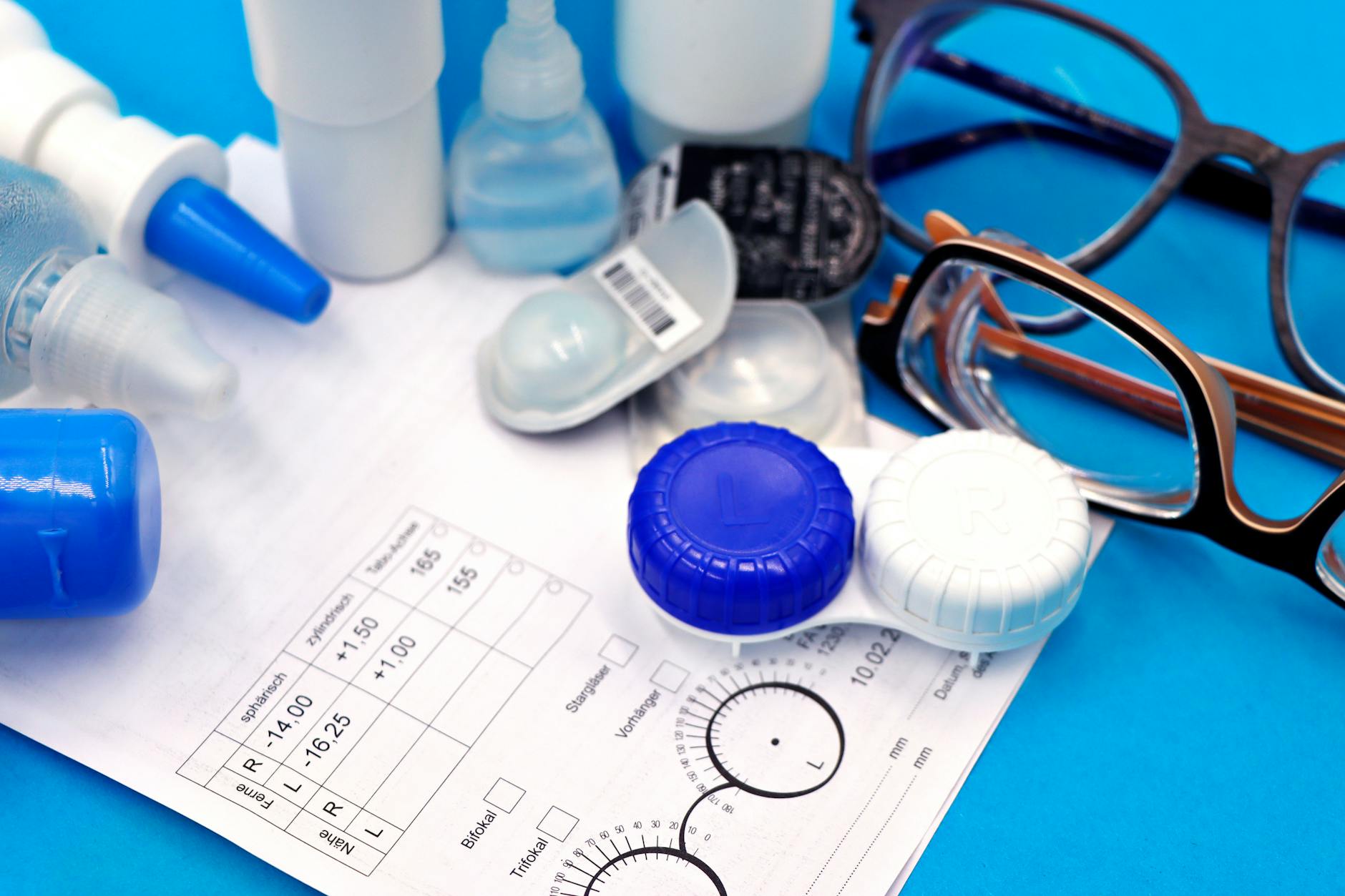
Most eyewear brands obsess over acquiring new customers and almost completely ignore one of the most predictable revenue opportunities in e-commerce: the prescription renewal cycle.
Here is the reality. Most prescription wearers need an eye test every one to two years. After that test, they need new lenses — and often new frames. That is a near-certain, calendar-driven purchase event that happens for every prescription customer you have ever sold to.
If you are not sending prescription renewal emails, you are handing that revenue to your competitors, to a local optician, or to whoever happens to be in front of your customer when the moment arrives.
This post covers how to build prescription reminder flows that are timely, useful, and effective — without being pushy or clinical.
The Lifecycle of a Prescription Customer
Understanding the prescription customer lifecycle is the foundation of everything that follows.
When a customer buys prescription eyewear from you, you have a rough timeline of future opportunities:
- 6 months post-purchase: Halfway through the typical prescription validity period. A light touchpoint opportunity.
- 10–12 months post-purchase: The “your prescription may be due for renewal” window. Prime territory for reminder campaigns.
- 14–18 months post-purchase: The “you’re probably overdue” window. Higher urgency, stronger messaging.
- 2 years post-purchase: Clear win-back territory. Frame styles have changed. Prescription has almost certainly changed. Time for a full upgrade conversation.
Not every eyewear brand collects prescription expiry dates at checkout — though if you can, you should. But even without that data, you can build remarkably effective flows using purchase date as a proxy.
Building the Prescription Reminder Flow
Email 1: The Gentle Nudge (10–11 Months Post-Purchase)
This is not a hard sell. It is a helpful reminder that doubles as a reason to re-engage.
Subject line examples:
- “Has your prescription changed? It might be time to check”
- “It’s been about a year — your eyes may have updated too”
- “Quick reminder: prescriptions don’t last forever”
The tone here is informational and caring, not transactional. The email should:
- Acknowledge that it has been approximately a year since their purchase
- Briefly explain why annual eye tests matter (vision can change subtly without them noticing)
- Offer a gentle prompt to book an eye test with their optician
- Include a soft mention that when their prescription is updated, you are ready to help them find the perfect new lenses or frames
This email builds goodwill. You are acting in the customer’s interest, not just trying to make a sale. That positioning pays dividends when they are ready to buy.
Email 2: The “Your Prescription May Have Changed” Campaign (12 Months Post-Purchase)
This is your primary conversion email in the sequence. Now the messaging can be more direct.
Subject line examples:
- “Your prescription may have changed — here’s what to do next”
- “New year, new prescription? Let’s find your perfect frames”
- “Your vision may have shifted since your last pair”
This email works because it creates legitimate urgency without manufactured scarcity. The urgency is real: outdated prescriptions cause headaches, eye strain, and declining visual acuity. You are not inventing a problem — you are naming one that genuinely exists.
Structure the email to:
- Acknowledge the likely prescription renewal window
- List common signs that a prescription has changed (headaches when reading, squinting, eye fatigue by end of day)
- Make it easy to upload a new prescription if they have already had their eye test
- Showcase new frame styles that have arrived since their last purchase — this is the upgrade hook
- Include a clear CTA: “Update Your Prescription” or “Shop New Arrivals”
Email 3: The Upgrade Timing Email (13–14 Months Post-Purchase)
A customer with a year-old prescription is not just due for new lenses — they are also a candidate for an entire frame upgrade. Fashion cycles move quickly in eyewear. New frame trends have emerged since their last purchase. This email blends the prescription prompt with a style refresh message.
Subject line examples:
- “A new prescription deserves new frames — see what’s arrived”
- “Same prescription, fresh look — this season’s styles are here”
- “Your frames are great. Imagine them updated.”
The key insight here is that the prescription renewal is an emotional moment of change. “My vision has changed” is a powerful gateway to “maybe my whole look should update too.” Lean into that.
Show them new arrivals that align with the style category they previously purchased in. If they bought minimalist metal frames last year, show them the updated minimalist metal arrivals. Meet them where they are and nudge them forward.
Email 4: The Overdue Reminder (16–18 Months Post-Purchase)
By now, if a customer has not responded to earlier touchpoints, the messaging can escalate slightly in urgency.
Subject line examples:
- “It’s been over a year — is your prescription still accurate?”
- “Overdue for an eye check? Here’s a nudge”
- “Your vision deserves an update — this is your reminder”
Keep the tone warm, not guilt-inducing. You are a concerned brand, not a collections department. Include a stronger incentive here — a discount on their next lens order or free lens upgrade — to reward action.
The “Your Prescription May Have Changed” Campaign
This specific campaign deserves its own treatment because it functions as a standalone, highly effective re-engagement tool beyond the standard reminder sequence.
The power of this campaign is the symptom-based hook. Rather than leading with “it’s time to renew,” you lead with experiences the customer is probably already having.
Writing the Symptom Hook Email
Subject line options:
- “Getting headaches at your screen? Your prescription might be the reason”
- “These 5 signs mean your prescription needs checking”
- “Eye strain at work? There’s a simple fix”
The email body walks through common symptoms of an outdated prescription:
- End-of-day eye fatigue or headaches
- Squinting to read road signs or screens
- Holding your phone closer or further than usual
- Noticing blurry edges in peripheral vision
- Frequent headaches that begin around the eyes or temples
Each symptom is relatable and low-stakes. Customers read this email and think: “Actually, I have been getting headaches. I wonder if that’s it.” You have just created a reason to act.
From there, the email pivots naturally: “If any of these sound familiar, it may be time for an eye test. And when your prescription is updated, we’re here to help you find your perfect new pair.”
This campaign can be sent to your entire prescription customer base as a broadcast email — it does not require purchase-date triggers. Run it once a quarter or once every six months as a reminder campaign. It consistently generates strong revenue for brands that deploy it.
Upgrade Timing: Surfacing Lens Technology at the Right Moment
Prescription renewal emails are not just about lenses — they are also an opportunity to introduce lens upgrades that customers may not know exist.
Blue Light and Progressive Lens Upsell
Many prescription wearers are on single-vision lenses. When they renew, they are open to exploring options. Use renewal emails to introduce:
- Blue light filtering lenses — position this as essential for anyone spending hours at a screen
- Progressive lenses — particularly relevant for customers in their late 30s and 40s who may be developing presbyopia
- Photochromic (transitions) lenses — useful for customers who spend time both indoors and outdoors
- High-index lenses — for customers with strong prescriptions who want thinner, lighter lenses
A simple “When you renew, consider upgrading your lenses” section in your reminder email can meaningfully increase average order value. Include a brief comparison showing standard vs premium lens benefits — not a wall of technical specs, but a simple “what this means for your daily life” breakdown.
The “What’s Changed in Two Years” Email
For customers you have not heard from in 18–24 months, this is a powerful re-engagement angle.
Subject line examples:
- “A lot has changed in eyewear since your last pair”
- “Two years in — here’s what’s new (and why it matters to you)”
- “Since you last shopped with us: new tech, new styles, and better lenses”
Walk them through what has genuinely evolved — new frame materials, new lens coatings, improvements in progressive lens technology, new designer collaborations. Position this as news they should know, not a sales pitch.
Customers who have been away feel less pressure when the email is primarily informational. They re-engage on their own terms. By the end of the email, they are warmed up and ready to consider a purchase.
Collecting Prescription Data to Make This Work Better
The more prescription-specific data you collect at checkout, the more personalised your reminder flows can be.
Consider asking customers for:
- Their prescription date (when was the test conducted?)
- Their prescription type (single vision, bifocal, progressive)
- Their correction strength (mild, moderate, strong)
This data allows you to send highly relevant emails: a customer with a mild prescription may not need annual reminders as urgently as someone with a strong or rapidly-changing prescription. Customers with progressive lenses have different upgrade conversations than single-vision wearers.
Even collecting prescription date alone — which many eyewear brands already have from the uploaded prescription file — gives you the foundation for precise timing.
Key Metrics to Track
For prescription reminder flows, the metrics that matter are:
- Re-purchase rate from reminder emails — what percentage of customers who receive a reminder actually purchase within 30 days?
- Time-to-repurchase — are your emails accelerating the repurchase decision?
- Lens upgrade attachment rate — are customers who come back through reminder flows upgrading their lens options?
- Revenue per customer per year — is your lifecycle email strategy growing the annual value of each prescription customer?
Most eyewear brands that build proper prescription reminder flows see a meaningful increase in year-two revenue per customer. The purchases were always going to happen — you are just making sure they happen with you.
Prescription renewal flows are one of the highest-ROI email automations an eyewear brand can build. If you want our team to audit your current retention and lifecycle strategy, request your free email audit at Excelohunt. We will show you exactly where the revenue is waiting.
Related Excelohunt Services
Looking to implement these strategies with expert support?
- Email Automations — learn how we implement this for clients
More in E-Commerce
- Email Marketing for UK Subscription Box Brands: Reducing Churn and Growing LTV
- Email Marketing for Australian Shopify Brands: The Complete Setup Checklist
- Email Marketing for UK Supplements & Nutrition Brands
- How Australian E-Commerce Brands Can Win Back Lapsed Customers With Email
- Email Marketing for Canadian Supplements & Nutrition Brands