Email Segmentation for Fashion Brands: The 7 Customer Segments That Drive Repeat Purchases
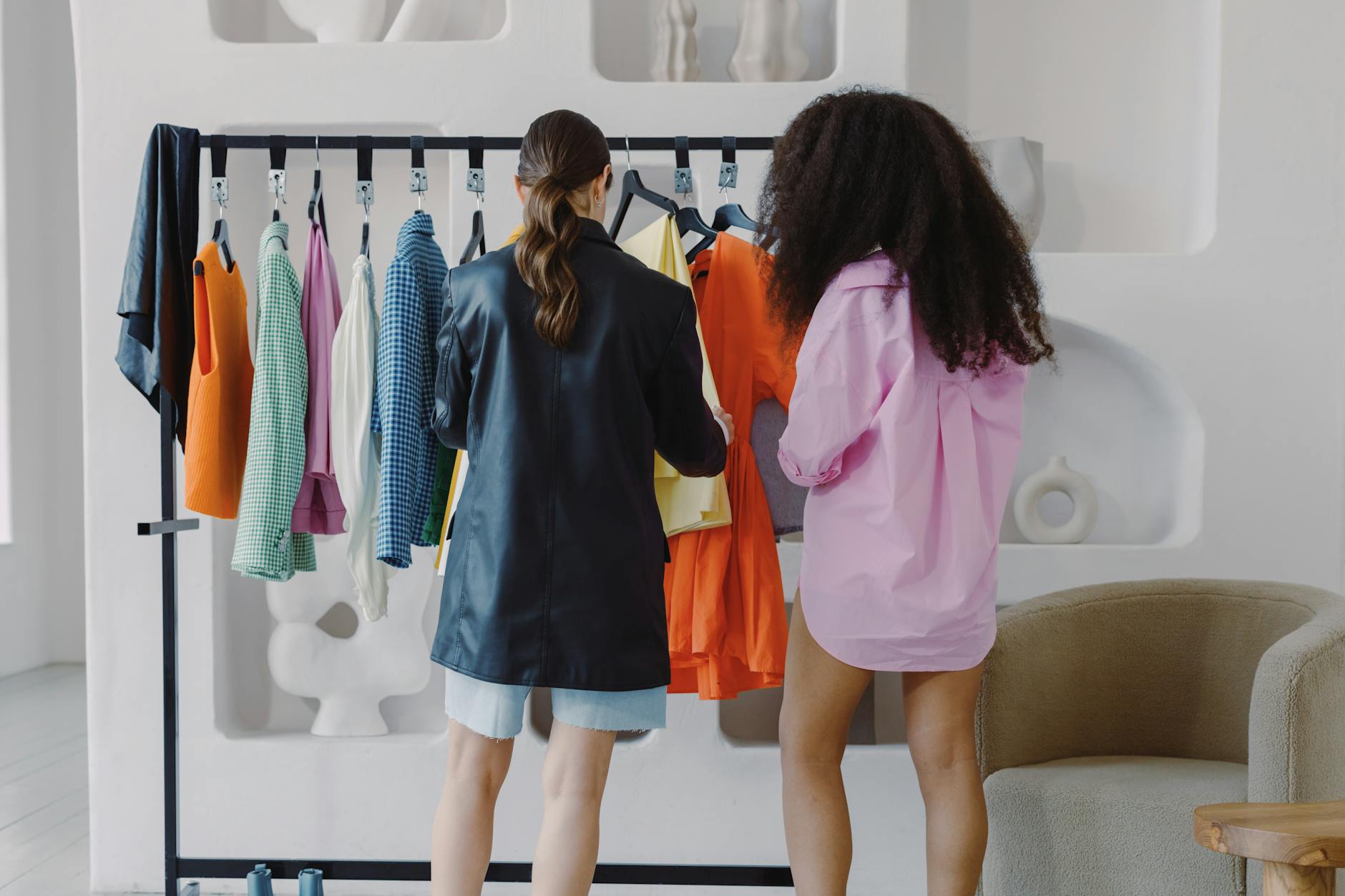
Here’s a scenario that plays out in fashion brand inboxes every week: a size 14 customer who buys exclusively in the sale section gets the same email as a size 6 customer who pre-orders full-price pieces every season. Neither email is relevant to both of them, which means you’re annoying one customer while being invisible to the other.
Sending the same email to your entire list isn’t just lazy — it’s actively damaging your deliverability, your unsubscribe rate, and ultimately your revenue.
Fashion is one of the most personal categories in e-commerce. Your customers aren’t just buying clothes — they’re expressing identity, managing body image, navigating budget, and making decisions influenced by seasonality, occasion, and aesthetic preference. A one-size-fits-all email strategy is the exact wrong approach for a category this nuanced.
Here are the 7 customer segments every fashion brand should have active in Klaviyo, and how to use them to drive repeat purchases.
Why Most Fashion Brands Under-Segment (And What It Costs Them)
Most fashion brands start with basic RFM segmentation — recency, frequency, monetary value. That’s a reasonable foundation, but it misses the fashion-specific signals that actually predict purchasing behavior.
Think about your customer base for a moment:
- A customer who buys every sale event but never at full price is very different from one who only shops new arrivals
- A customer in size XS has a completely different availability experience than one in size 2X
- A customer who responds to editorial, lifestyle content is wired differently than one who clicks straight to the product grid
When you treat all of these people as one audience, your emails have to be generic enough to speak to everyone — which means they speak compellingly to no one.
The cost: lower open rates, lower click rates, more unsubscribes, and an email channel that consistently underperforms against its potential.
The 7 Fashion-Specific Customer Segments
Segment 1: The New Arrival Hunter
Who they are: Customers who consistently purchase or click into new arrivals within the first week of launch, often at full price.
What they want: To be first. These are your early adopters — they’re not motivated by discounts, they’re motivated by exclusivity and being ahead of the trend.
How to identify them in Klaviyo:
- Purchased within 14 days of a product being added to your catalog
- Clicked “New Arrivals” links in at least 2 of the last 5 campaigns
- Full-price purchase rate above 80%
How to email them:
- Give them 24-48 hour early access to new collection drops before the general list
- Never lead with discount — lead with “first access” and exclusivity language
- Cadence: email them for every new arrival, not just seasonal launches
Revenue impact: This segment typically represents 15-25% of customers but 40-50% of launch-week revenue. They’re your most reliable buyers.
Segment 2: The Sale Shopper
Who they are: Customers who rarely (or never) buy at full price, but become highly active during sale events, end-of-season clearances, and promotional campaigns.
What they want: Value. They love your brand, but they’re budget-conscious or simply trained to wait for the discount.
How to identify them in Klaviyo:
- 80%+ of purchases occurred during a sale event or with a discount code
- Average order value drops significantly on non-promotional emails
- Open rates spike during “sale” or ”% off” subject lines
How to email them:
- Be direct about value — percentages, dollar amounts, comparisons to original price
- Lead with the deal, not the story
- Create urgency with real deadlines (sale ends Sunday) rather than vague language
- Consider a “early sale access” tier — even 4 hours before the general announcement feels special to this segment
Important nuance: Don’t write off this segment as low-value. A customer who buys consistently at 30% off is still worth more than a customer who buys once at full price and churns.
Segment 3: The Occasion Buyer
Who they are: Customers whose purchases cluster around specific events — wedding season, holiday parties, summer holidays, graduation season. They buy with purpose, not habit.
How to identify them in Klaviyo:
- Purchase behavior correlates with seasonal peaks (Q4 for holiday, May-June for wedding/graduation)
- Purchases in categories like “occasion wear,” “formalwear,” or “vacation”
- May have 6-12 month gaps between purchases
How to email them:
- Lead time is everything — reach them 6-8 weeks before the occasion season, not 2 weeks
- Use occasion-specific language: “Wedding guest looks,” “Your holiday party edit,” “Event season is here”
- Style guides and outfit formulas perform well with this segment — they want to be told what to wear
- Don’t over-email them outside their purchase window — it conditions them to ignore you
Segment 4: The Size-Inclusive or Extended-Size Shopper
Who they are: Customers who shop your extended size range (typically 2X+, or 14+, depending on your sizing system). This segment has specific frustrations and loyalty patterns that are distinct from the rest of your list.
The pain point you need to understand: Extended-size shoppers have been burned by fashion brands their entire lives — items that “run out of their size first,” limited range within extended sizes, and editorial content that doesn’t include models who look like them. They’re loyal when you get it right, but they’re paying attention to whether you’re genuine.
How to email them:
- Only feature products actually available in their size range — don’t show them a lookbook where half the pieces stop at XL
- Highlight when new extended-size options come in
- Use inclusive editorial imagery — this segment notices (and appreciates) when the email models look like them
- Acknowledge their experience explicitly when relevant: “We extended the size range on this one because you asked”
Klaviyo setup note: You can create this segment based on purchase history (sizes purchased) and/or profile properties if you capture size preference at opt-in or via a preference center.
Segment 5: The High-LTV Style Loyalist
Who they are: Your best customers — high purchase frequency, high average order value, multi-season purchasing history. These are the customers who have built their wardrobe around your brand.
What they want: To feel known. When you’ve bought 15 items from a brand, getting the same email as a first-time buyer feels like a slap in the face.
How to email them:
- Reference their history when relevant: “As one of our longest-standing customers…”
- Give them access to things no one else gets — first access, private sales, exclusive pieces, founder events
- Use their purchase history to make recommendations that feel genuinely personalized, not algorithmically obvious
- Solicit their feedback before launches: “We’re working on something new — tell us what you think”
What Excelohunt builds for clients: A dynamic VIP segment in Klaviyo that updates automatically as customers cross purchase-frequency and LTV thresholds. When a customer enters the VIP tier, they receive a dedicated VIP welcome email and are automatically included in all VIP-only campaigns going forward.
Segment 6: The One-and-Done (Reactivation Target)
Who they are: Customers who made one purchase — often 6-18 months ago — and never returned. This is typically the largest segment in any fashion brand’s database, and the most underutilized.
Why they didn’t come back: It’s rarely because they hated your brand. More often:
- They didn’t receive a compelling reason to return after their first purchase
- Your post-purchase email sequence was generic
- They needed something specific and you didn’t surface it at the right time
How to email them:
- Don’t start with a discount — start with a “We noticed you’ve been away” re-engagement email that leads with something new and compelling
- If that doesn’t work, introduce a small incentive (10% off their next order, free shipping) in a follow-up
- Feature bestsellers and customer favorites — not your most editorial pieces, but the items with the most social proof
- If they haven’t engaged after 2-3 re-engagement attempts over 60 days, sunset them
Segment 7: The Browse-Heavy Non-Buyer
Who they are: Subscribers who open emails frequently, click through to the site, browse products — but rarely convert. They’re clearly interested in your brand, but something is blocking the purchase.
What’s usually blocking them:
- Price sensitivity (waiting for a sale)
- Size uncertainty (need more information before committing)
- Decision paralysis (too many options, not sure what to choose)
- “Saving for later” behavior (browsing as entertainment, not intent)
How to email them:
- Trigger browse abandonment emails when they view a product 2+ times without adding to cart
- Use social proof aggressively — reviews, UGC, “X people bought this this week” signals
- Offer a clear, low-risk way to try — easy returns messaging, size guides, “chat with us about sizing” CTA
- If price is the barrier, a well-timed limited offer (not a permanent discount) can move them
How to Build These Segments in Klaviyo
The good news is that Klaviyo’s segmentation engine can handle all seven of these segments natively. Here’s a quick breakdown of the properties you’ll use most:
For purchase behavior:
$value— average order value- Purchase date ranges — to identify new arrivals shoppers or recency
- Number of orders placed — for frequency tiers
- Discount code usage — for identifying sale shoppers
For engagement behavior:
- Email opens and clicks within date ranges — for engagement scoring
- Specific link click behavior — if you tag your “New Arrivals” links, you can segment by click pattern
For product data:
- Ordered product categories — for occasion buyers, extended size shoppers
- Product variant data — if your Klaviyo integration passes variant (size) data back from Shopify, you can segment by size purchased
Profile properties you should be capturing:
- Size preference (via preference center or post-purchase survey)
- Style preferences (via a welcome series quiz or preference center)
- Occasion intent (via welcome series question: “What do you mostly shop for?”)
The Segment You’re Probably Missing: The Style Profile Cohort
Beyond the seven segments above, the most sophisticated fashion brands create style profile cohorts — groups of customers who gravitate toward a particular aesthetic within your catalog.
If your brand spans minimalist basics, bold prints, and occasion wear, you likely have three distinct style audiences embedded in your list. They engage with completely different content and products.
You can identify these cohorts through:
- The product categories they consistently purchase from
- The links they click in emails (if you categorize your editorial content)
- A welcome series preference question (“Which of these best describes your style?”)
Once you have this data, you can create campaigns for each style cohort that feel like they were built for that specific customer — because they were.
Putting It Together: A Segmented Campaign Calendar
Here’s how a monthly campaign calendar looks when you’re sending to segments rather than your full list:
Week 1: New arrivals email → New Arrival Hunters first, general list 48 hours later Week 2: Style editorial / lookbook → High-LTV Style Loyalists + engage subscribers Week 3: Replenishment or occasion email → Occasion Buyers (seasonally appropriate), Size-specific if relevant Week 4: Re-engagement flow → One-and-Done segment, Browse-Heavy Non-Buyers
Sale events hit the entire engaged list — but Sale Shoppers get a dedicated early-access email 12 hours before the general announcement.
Ready to Build a Segmentation Strategy That Actually Drives Repeat Purchases?
Most fashion brands are running 2-3 segments at most. Brands that have built out all seven — with proper flows and campaign strategies for each — consistently see repeat purchase rates that are 30-50% higher than industry average.
At Excelohunt, we build Klaviyo segmentation systems for fashion brands from the ground up. That means setting up the segments, designing the flows, and creating the campaign strategy — not just handing you a template.
Get a free audit of your segmentation strategy →
We’ll look at your current list structure, identify which segments you’re missing, and show you where you’re leaving repeat purchase revenue on the table.
More in Klaviyo
- 12 Best Klaviyo Agencies in 2026 (Honest Comparison)
- Klaviyo Agency Pricing: What You Should Pay in 2026
- Optimite Alternatives: Klaviyo Email Agencies Compared (2026)
- How to Set Up Klaviyo: Complete Setup Guide (Step-by-Step)
- How to Use Klaviyo: A Beginner's Guide (2026)