Holiday and Gifting Email Campaigns for Food & Beverage Brands: The Full Playbook
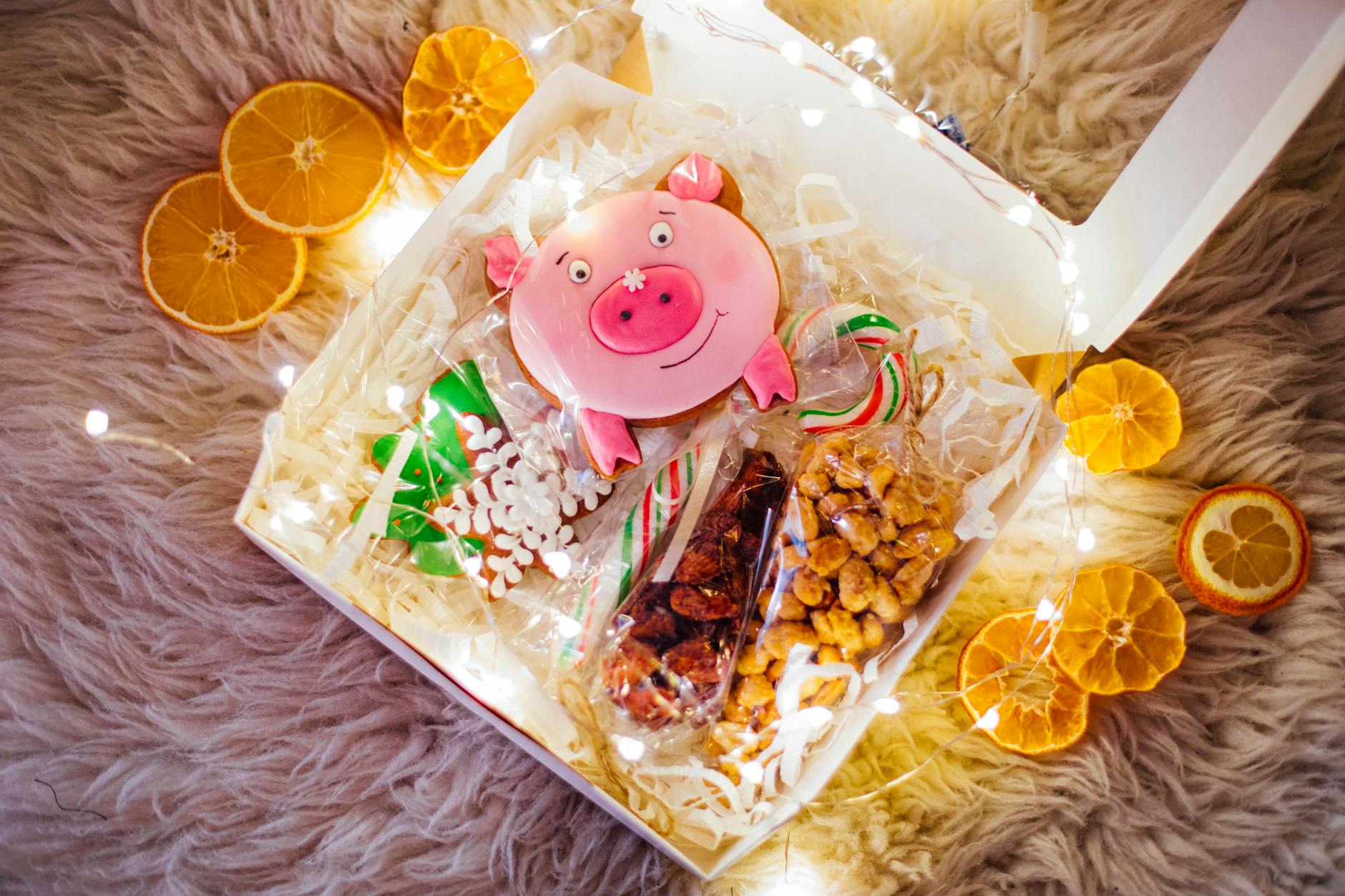
Food and beverage brands have a natural advantage during gifting season. Everyone eats. Everyone drinks. And high-quality specialty food products — artisan chocolates, premium coffee subscriptions, hot sauces, olive oils, craft spirits mixers, specialty teas — make genuinely excellent gifts.
The problem is that most F&B brands treat Q4 like a traffic problem (“we just need more people seeing our products”) rather than a messaging problem (“we need to speak directly to people shopping for gifts”).
There’s a massive difference between a customer buying your hot sauce for themselves and a customer buying five gift sets for their office colleagues. The second customer has completely different needs, completely different purchase barriers, and completely different urgency triggers.
And yet, most F&B brands send the same emails to both audiences and wonder why their gifting revenue is leaving money on the table.
Here’s the full gifting email playbook — from August planning through January gifting recovery.
The Gift-Buyer Audience: Understanding Who You’re Talking To
Before you write a word of copy, get clear on who the gift buyer is in your category.
For most F&B brands, there are three distinct gift buyer segments:
1. The Personal Gift Buyer
Shopping for family, close friends, the host of a dinner party. Price range: $25-$100 per gift. Main concerns: will the recipient like it? Is it nicely presented? Will it arrive on time? Does it feel special enough?
2. The Corporate Gift Buyer
Buying for employees, clients, or business contacts. Often buying in quantity (10-100+ units). Main concerns: can they buy in bulk? Can you customize packaging? Can they get one delivery or multiple? Is there an invoice option? Is this actually high-quality enough to represent their brand?
3. The Self-Gifter (Treats Seasonal as an Opportunity to Try You)
Not technically a gift buyer, but behaves similarly — they see holiday promotions as a permission structure to treat themselves to something they’ve been eyeing. They respond to seasonal packaging, limited editions, and gift sets that feel special even when bought for oneself.
Your email campaigns need to speak to each of these audiences differently. Sending the same “perfect gift!” email to a corporate buyer shopping for 50 employee gifts and a personal shopper looking for something for their sister is a missed opportunity on both ends.
The Gifting Season Email Calendar
Gifting season starts earlier than most F&B brands think it does.
August-September: Corporate Gifting Outreach
Corporate gift decisions for Q4 are often made in September and October. By November, budgets are allocated, decisions are made, and you’re competing for leftovers.
What to send:
The Corporate Gifting Campaign (send in early September):
Target: Your high-LTV customers and engaged subscribers who have shown signals of corporate purchase (larger order quantities, business email addresses, bulk inquiries)
Content:
- Lead with the corporate gifting angle explicitly: “Looking for memorable client gifts this year? We’ve got you.”
- Feature your most giftable products or gift sets
- Address the key corporate buyer concerns: bulk ordering, custom packaging, invoicing options, shipping logistics
- Include a dedicated contact channel or Calendly link for corporate inquiries
The “Early Bird” Incentive:
Corporate buyers who lock in their order before October 31st get something valuable: a guarantee of inventory availability, priority custom packaging processing, or a volume discount. The incentive doesn’t need to be dramatic — the certainty of availability and the ease of getting it done early is often enough.
October: Building Your Gift Set and Bundling Strategy
This is when you want to announce your holiday gift sets and holiday packaging, if relevant. Email is your primary channel for this announcement.
The Gift Set Launch Email:
- Present your holiday gift sets as curated experiences, not just products in a box
- Tell the story of how each set was curated: “This box is built around the experience of a lazy Sunday morning with exceptional coffee — here’s what we included and why.”
- Show the packaging prominently — gifting decisions are heavily influenced by how something looks under a tree
- Price anchor clearly: “Starting at $X” or “Available in three sizes” with the price range visible
The Gift Guide Feature Email:
Position yourself within your customers’ gift-giving universe. A “Gift Guide for [specific person]: the [food lover / coffee nerd / hot sauce enthusiast / adventurous eater] in your life” email — where your products are the featured options — converts well because it does gift-buyer decision-making work for the reader.
November: The Black Friday / Cyber Monday F&B Play
Black Friday is complex for premium F&B brands. Deep discounting can erode the premium positioning that makes your products feel gift-worthy. Here’s a framework:
Option A: The Gift Set Bundle Strategy
Instead of discounting individual products, create a holiday bundle that offers value through combination — items together that would cost more individually, packaged attractively. This feels like a gift, not a clearance event.
Option B: The Gift-With-Purchase Promotion
Buy any gift set and get a [branded item / extra product / gift card] free. This adds value without reducing prices.
Option C: Early Shipping Guarantee
“Order by [date] and we guarantee delivery before December 20th.” For gifting buyers, a shipping guarantee is often more compelling than a discount.
December 1-15: Peak Gifting Window Campaigns
This is your highest-traffic window. Your email frequency should increase, but every email should be purposeful.
Week 1 of December (Dec 1-7):
- The “Best Gifts for Food Lovers” campaign — your editorial gift guide
- Corporate gifting final call: “Last day for custom packaging orders”
- Gift card introduction (if not already promoted): “Not sure what to get them? Our gift cards never expire and ship instantly.”
Week 2 of December (Dec 8-14):
- Social proof campaign: “Here’s what people are gifting this year” — featuring actual customer purchases (with permission) or bestsellers
- Early shipping deadline warning: “Standard shipping cutoff is December [X]”
- The “ship it to them directly” reminder: “We can ship directly to your recipient — no rewrapping required.”
Week 3 of December (Dec 15-21):
- Last-minute gifting campaigns: expedited shipping options, digital gift cards, local delivery if applicable
- The “buy now, ship to them later” option if you offer it
December 22-31: The Digital Gift Card Push
This window is when physical delivery is no longer reliable. Shift all gifting emails to digital options:
- Gift cards
- E-gift experiences
- “New Year’s gift” framing: “Give them the gift of [great coffee / exciting hot sauces / artisan snacks] in the new year”
Writing Gift-Buyer Email Copy That Converts
Gift-buyer copy has different psychological triggers than self-buyer copy. Here’s how to write for the gifting mindset:
Lead with the recipient, not the product:
Self-buyer copy: “Our Ethiopian single-origin coffee is bright, complex, and perfectly balanced.” Gift-buyer copy: “For the person on your list who thinks they’ve had good coffee — this will change the conversation.”
The second version works because it puts the gift-giver in the role of the person who found something special, which is what gift-buyers are emotionally trying to accomplish.
Address the “will they like it?” concern:
The biggest hesitation in gifting isn’t price — it’s uncertainty about the recipient’s preferences. Address this with:
- Flavor profile descriptions that map to personality types: “For the adventurous eater who always tries the spiciest thing on the menu”
- Clear product positioning: “This is for someone who takes their morning coffee seriously”
- A generous return/exchange policy for gifts: “Not the right fit? Gift recipients can exchange for any other product — no questions asked.”
Create urgency that’s genuinely time-based:
Gift-buying urgency is real because shipping dates are real. “Order by December 15 for guaranteed Christmas delivery” is more compelling than a manufactured countdown timer because it maps to a real consequence the buyer cares about.
Make the gifting logistics easy:
Gift-buyers often want to:
- Ship directly to the recipient (include “ship to a different address” reminder)
- Include a gift message (prominently feature this option)
- Skip gift receipts but make exchanges easy for the recipient
- Buy multiple items at once for different people
Address these logistics explicitly in your gifting emails. A single line — “Include a personalized gift message at checkout, and we’ll ship directly to your recipient” — can meaningfully increase gifting conversion.
The Corporate Gifting Email in Depth
Corporate gifting deserves its own dedicated email strategy because the buyer journey is fundamentally different.
A corporate buyer is:
- Making a purchase decision on behalf of someone else (their company)
- Often buying in quantities of 10-200+
- Concerned about logistics, invoicing, and professional presentation
- Often under time pressure from their own internal procurement deadlines
- Looking for a vendor that will make them look good to their boss or colleagues
The Corporate Gifting Email should include:
-
A clear offer headline: “Corporate Gifting for [Year]: Premium F&B Gifts for Your Team and Clients”
-
Volume pricing if available: “Orders of 25+ receive [X]% off. Orders of 100+ include free custom packaging.”
-
Logistics clarity:
- “One order ships to multiple addresses? Yes, we handle that.”
- “Need an invoice instead of paying by credit card? Our corporate team can accommodate.”
- “Timeline: place your order by [date] for guaranteed delivery before December 20th.”
-
Social proof from other corporate buyers: “Last year, [Company Type] teams across the country sent [Your Product] to their clients. Here’s what they said.”
-
A direct contact path: Not a generic contact form — a dedicated corporate gifting email address or a Calendly link to schedule a call. Corporate buyers want to talk to a human, and a call converts far better than a form.
Post-Holiday Email Strategy: The January Reset
The gifting window doesn’t end on December 25. January presents two underutilized opportunities:
The Gift Recipient Welcome Flow
If you offer gift cards or your customers ship directly to recipients, a meaningful percentage of gift recipients will visit your site and join your list in December and January. These are new subscribers who:
- Already received your product as a gift (strong product exposure)
- Are primed to reorder for themselves
- May not have seen your full product range
The gift recipient email:
“Welcome to [Brand Name] — if you’re here, chances are someone gave you [product name] recently. Here’s everything else we make, and a thank-you discount for trying us yourself.”
The “New Year, New Routine” Campaign
January is when a significant segment of your audience is thinking about food and wellness goals for the new year. An early-January campaign that positions your products within the “new year routine” context performs well.
This isn’t just for health foods — specialty coffee brands (“upgrade your morning routine”), hot sauce brands (“add flavor without adding calories”), and snack brands (“better snacking in the new year”) can all participate authentically in this moment.
Building Your Gifting Segment in Klaviyo
To make gifting campaigns work at scale, build dedicated segments:
The Gift Buyer Segment:
- Purchased during November 1-January 1 (previous years)
- Ordered to a different shipping address than billing address
- Purchased quantities of 3+ items in a single order
- Opened or clicked previous gifting campaign emails
The Corporate Buyer Segment:
- Email domain associated with a company (non-Gmail/Yahoo/etc.)
- Purchase quantity 10+
- Previously inquired about corporate gifting
The Gift Set Purchaser Segment:
- Purchased a product tagged as a “gift set” in your catalog
These segments allow you to re-engage proven gift buyers early in the season — before they’ve made their gifting decisions — and tailor the copy to their demonstrated behavior.
Your Gifting Revenue Starts Before Black Friday
The biggest mistake food and beverage brands make with gifting season is treating it as a November-December event. The corporate buyer is making decisions in September. The early gift buyer is planning in October. By the time you launch your Black Friday gifting emails, the most organized buyers have already made their choices.
At Excelohunt, we build complete gifting season email strategies for food and beverage brands — from the August corporate outreach through the January gift recipient welcome flow — all in Klaviyo and running automatically every year.
Get a free gifting season email audit →
Let us review your current holiday email strategy and show you the gaps where gifting revenue is being left on the table.
Related Excelohunt Services
Looking to implement these strategies with expert support?
- Email Campaigns — learn how we implement this for clients
More in E-Commerce
- Email Marketing for UK Subscription Box Brands: Reducing Churn and Growing LTV
- Email Marketing for Australian Shopify Brands: The Complete Setup Checklist
- Email Marketing for UK Supplements & Nutrition Brands
- How Australian E-Commerce Brands Can Win Back Lapsed Customers With Email
- Email Marketing for Canadian Supplements & Nutrition Brands