How Food & Beverage Brands Launch New Products via Email (Without Annoying Your List)
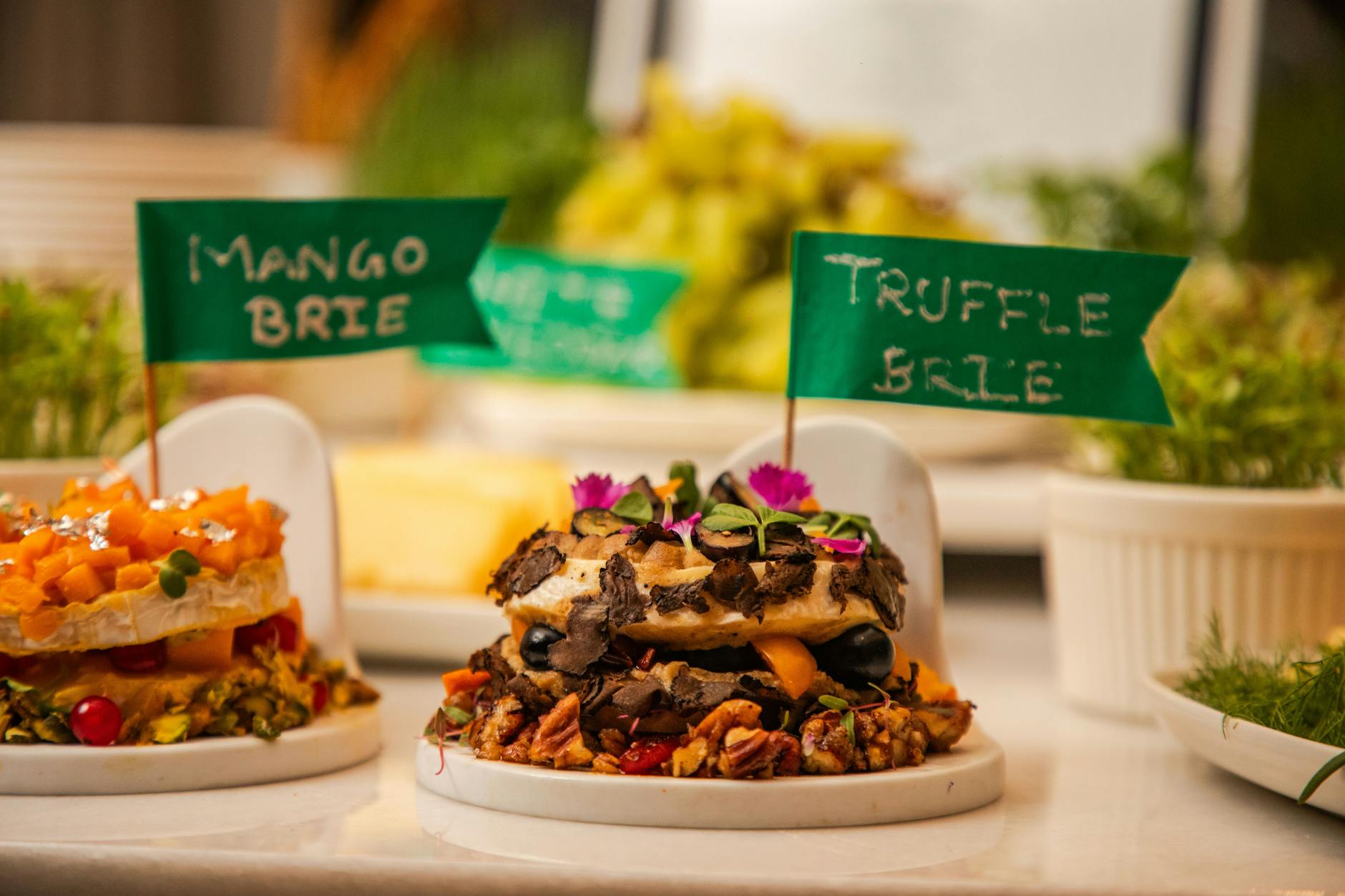
Your food or beverage brand has been developing a new product for six months. The formulation is dialed in. The packaging is stunning. The launch date is set.
And then you send one email on launch day, get a modest bump in orders, and move on.
Meanwhile, brands with smaller followings are selling out their new products in 48 hours, generating waitlists, and getting write-ups in food media — not because their product is better, but because they understand how to prime an email list before launch day.
Here’s the thing about food and beverage specifically: your audience has strong sensory imaginations, strong opinions about flavor, and a genuine sense of discovery when they try something new. These are powerful psychological levers — if you pull them at the right time, in the right sequence, through your email channel.
Here’s exactly how to run a food and beverage new product launch via email that builds anticipation, drives opening-day revenue, and doesn’t make your subscribers feel like they’re being marketed to.
The Core Problem: The Cold Launch
Most F&B brand launches are cold launches. The product exists in internal development for months, then it appears in an email — fully formed, priced, available to buy — with no prior history in the customer’s mind.
A cold launch asks a lot of subscribers. You’re asking them to:
- Notice your email in a crowded inbox
- Get excited about something they’ve never heard of
- Feel urgency to act
- Take out their credit card
All on first contact, all at once.
The warm launch does the opposite. By the time the product goes on sale, your subscribers have already:
- Heard about it multiple times in different contexts
- Formed a sensory impression from your descriptions and imagery
- Had the opportunity to signal their interest (wishlist, waitlist)
- Built enough anticipation that the launch email feels like a reward, not a pitch
The difference in launch-day revenue between a cold launch and a warm launch for the same product can be 3-5x.
The 5-Week Pre-Launch Email Framework for F&B Brands
Week 5: The Hint (The Curiosity Trigger)
Five weeks before launch, you plant a seed. This email says almost nothing but makes your audience feel like they’re being let in on something.
What this email does:
- Creates curiosity without revealing the product
- Establishes a thread to follow (future emails will reference this moment)
- Invites subscribers to signal interest (“reply to this email and we’ll send you a first taste opportunity”)
Subject line examples:
- “We’ve been working on something different…”
- “Four months of testing. We think we finally got it right.”
- “Something is coming. Here’s a clue.”
Email body (keep it short):
A brief, personal note from your founder or team. Maybe a single atmospheric image — a raw ingredient, a detail of the production process, a texture shot — that hints at the category without revealing the specific product. End with a simple question that invites a reply: “What flavor have you always wished we made?” or “What’s missing from your pantry right now?”
This last element — the question that invites a reply — does two things. It generates conversation data that helps you refine your launch messaging. And it increases email engagement signals, which helps your deliverability for the launch email sequence.
Week 4: The Behind-the-Scenes Email
Now you start pulling back the curtain on the development process. This email builds emotional investment by making subscribers feel like participants in the creation process.
What to share:
- The origin story: where did this product idea come from? Was it a customer request? A personal obsession? A gap in the market you kept stumbling over?
- The development process: how many iterations did it take? What didn’t work and why? What was the breakthrough moment?
- Who was involved: the team, the farmer, the manufacturer, the taste-testers
Why this works specifically in F&B:
Food is one of the most story-dependent product categories. When a customer buys your hot sauce knowing that you sourced the chiles from a specific farm in Oaxaca after three visits to find the right heat-to-flavor balance, and that the fermentation process took 90 days longer than planned because you wouldn’t compromise on acidity — they’re not just buying a condiment. They’re buying into that story.
Email is the ideal channel to tell this story in full, because you have the space, the reader’s attention, and no algorithm deciding whether to show it.
Week 3: The Beta Tester / Founding Member Moment
Three weeks before launch, activate your most engaged subscribers with an exclusive early taste opportunity.
This can take several forms depending on your product and logistics:
Option A: A physical sample campaign
Send product samples to 25-100 customers who opt in to be beta testers, in exchange for a review, a photo, or a video reaction. This works best for shelf-stable products that can be mailed economically.
Option B: A waitlist with perks
Open a waitlist for early access at launch, with a guaranteed bonus for waitlist members: first access to order, an exclusive discount, free shipping, or a free item added to their order.
Option C: A beta feedback survey
Share specific details about the product (flavor profile, ingredients, use cases) and ask for feedback: “We’re deciding between two names — what resonates with you?” or “Which of these two variations would you be most excited about?” This makes subscribers feel involved in the decision and creates investment in the outcome.
The email that activates this:
Subject: “Want to try it before anyone else?”
Content: Brief context (we’re launching something new, it’ll be available in X weeks), an explicit invitation to be part of the beta or early access group, and a simple CTA to join the waitlist or fill out the interest form.
This email serves as list segmentation gold: everyone who signs up for your waitlist is your highest-intent buyer on launch day.
Week 2: The Full Reveal
Two weeks before launch, you reveal the product in full.
This is the email most brands treat as their launch email — but by this point in a warm launch strategy, it lands very differently. Your subscribers have been following this story for three weeks. They’ve seen the hints, they’ve heard the development story, some of them may have tasted it as beta testers. When the full reveal arrives, it feels like the moment you’ve all been building toward.
What to include in the full reveal email:
- The product name and what it is
- High-quality photography — both product shots and lifestyle/use shots
- Flavor profile or product description that’s sensory and specific (not “bold flavor” — “warm heat that builds slowly at the back of your throat with an underlying sweetness from the toasted ancho chiles”)
- The key differentiator: what makes this different from anything else in its category
- The story of how it came to be (this is the three-week narrative you’ve been building)
- A clear launch date and time
- The waitlist CTA: “Join the pre-launch waitlist for early access and a first-buyer bonus”
At this point, you should be building real anticipation. If you’ve executed the previous three weeks well, replies to this email will include genuine excitement — “I’ve been waiting for this!” — which is signal that your launch is primed.
Week 1 (3 Days Before Launch): The Countdown Email
Three days before launch, send a short, high-energy countdown email:
- Product reminder with your strongest image
- Launch date and time clearly stated
- Pre-order option if available
- Scarcity framing if authentic: “First production run: [X] units. After that, we’re looking at 8-12 weeks for the next batch.”
- A final waitlist reminder for subscribers who haven’t joined yet
Launch Day: The Email Sequence
Launch day isn’t one email. Here’s the sequence:
Launch morning email (6-8am):
The primary launch email. Your best image, your clearest CTA, your most compelling product description. Subject lines that work in F&B launch contexts:
- “It’s here. [Product Name] is now available.”
- “You’ve been waiting. [Product Name] is live.”
- “The [Product Name] launch: it’s today.”
Clean, direct, confident. No tricks.
The waitlist-exclusive send (24-48 hours before general launch, or 12 hours after):
Your waitlist segment gets a dedicated email that acknowledges their early interest. Even if the timing is the same as the general launch, the copy should make them feel like they got something: first access, an exclusive add-on, or simply a personal acknowledgment.
The social proof send (Day 2-3 after launch):
Collect early customer reactions from social media, email replies, and reviews. Then feature those reactions in a follow-up email:
- “Orders are flowing. Here’s what people are saying.”
- Screenshot-style customer reactions
- First food photography from customers using the product
This email is powerful because it creates FOMO for subscribers who saw the launch email but didn’t buy. Seeing real people’s reactions — especially if they’re enthusiastic — activates the social proof trigger.
The “Last chance for first batch” email (Day 5-7):
If your first production run is genuinely limited, this email is honest urgency: “We launched with [X] units. We’re down to [Y]. If this sells out, next batch isn’t until [date].”
If you don’t have genuine scarcity, skip this email and don’t manufacture it.
The Common Mistakes F&B Brands Make in Product Launch Emails
Mistake 1: Describing the product instead of the experience.
“Bold, complex hot sauce with notes of mango and habanero” describes a product. “The sauce that replaced ketchup in our office kitchen and hasn’t left since” describes an experience. The second version creates curiosity and social proof simultaneously.
Mistake 2: Sending the reveal email to your entire list.
Your early reveal should go to your most engaged subscribers first — people who open every email, who have purchased recently, who interact with your brand on social. Sending to your full list immediately risks a low engagement rate on your most important email, which can hurt deliverability for the launch sequence.
Mistake 3: No waitlist, no segmentation.
If you didn’t build a waitlist, you have no way of identifying your highest-intent buyers before launch day. Start building waitlists for every launch — even simple — so you have a segment ready to hear from you first.
Mistake 4: Only talking about the product, not the use occasion.
F&B emails that fail often describe the product in detail but never help the subscriber imagine using it. “Perfect for your Friday night steak” or “The thing you want at your next dinner party” or “The coffee you make at home that makes guests ask for your secret” — use occasion framing makes the product instantly relevant.
Mistake 5: One launch email, no follow-up.
Most of your subscribers won’t buy on day one. A well-structured post-launch sequence — social proof email, scarcity update, recipe/usage idea — captures buyers who need 2-3 touches before they commit.
Measuring a Successful F&B Product Launch
After your launch, track these metrics to evaluate what worked:
- Waitlist conversion rate: What percentage of waitlist subscribers purchased within 48 hours of launch?
- Launch-day email revenue per recipient: How much did each email sent on launch day generate?
- Day 1 vs. Day 7 revenue split: A warm launch should generate 50-70% of first-week revenue in the first 48 hours
- Unsubscribe rate across the pre-launch sequence: If you’re seeing high unsubscribes during the hint/BTS phase, your content isn’t matching subscriber expectations
- Reply rate on curiosity emails: A meaningful reply rate (0.5%+) on your early hint emails is a strong signal that your audience is engaged with the story
Build a Launch Email System That Sells Out Every Time
A product launch that falls flat is almost never a product problem. It’s a priming problem. The email strategy you run in the 5 weeks before launch day determines whether launch day feels like an event or a whisper.
At Excelohunt, we build pre-launch email sequences, waitlist flows, launch-day campaigns, and post-launch social proof sequences for food and beverage brands — including all the Klaviyo setup and email copywriting.
Get a free audit of your product launch email strategy →
We’ll review your last launch, identify where subscribers dropped off, and show you what a properly primed launch could look like for your next product.
More in Strategy
- Best Email Marketing Agencies for Small DTC Brands ($40k+/mo)
- Best Email & SMS Marketing Agencies for Ecommerce (2026)
- Chronos Agency Alternatives for $40k–$500k/mo DTC Brands
- Chronos Agency Pricing Explained: Is the $10k Minimum Worth It?
- Chronos Agency vs InboxArmy: Which Is Better for DTC Email?
Want Us to Implement This for Your Brand?
Get a free email audit and see exactly where you're losing revenue.
Get Your Free Audit