Food & Beverage Email Marketing: Building Reorder Habits That Last
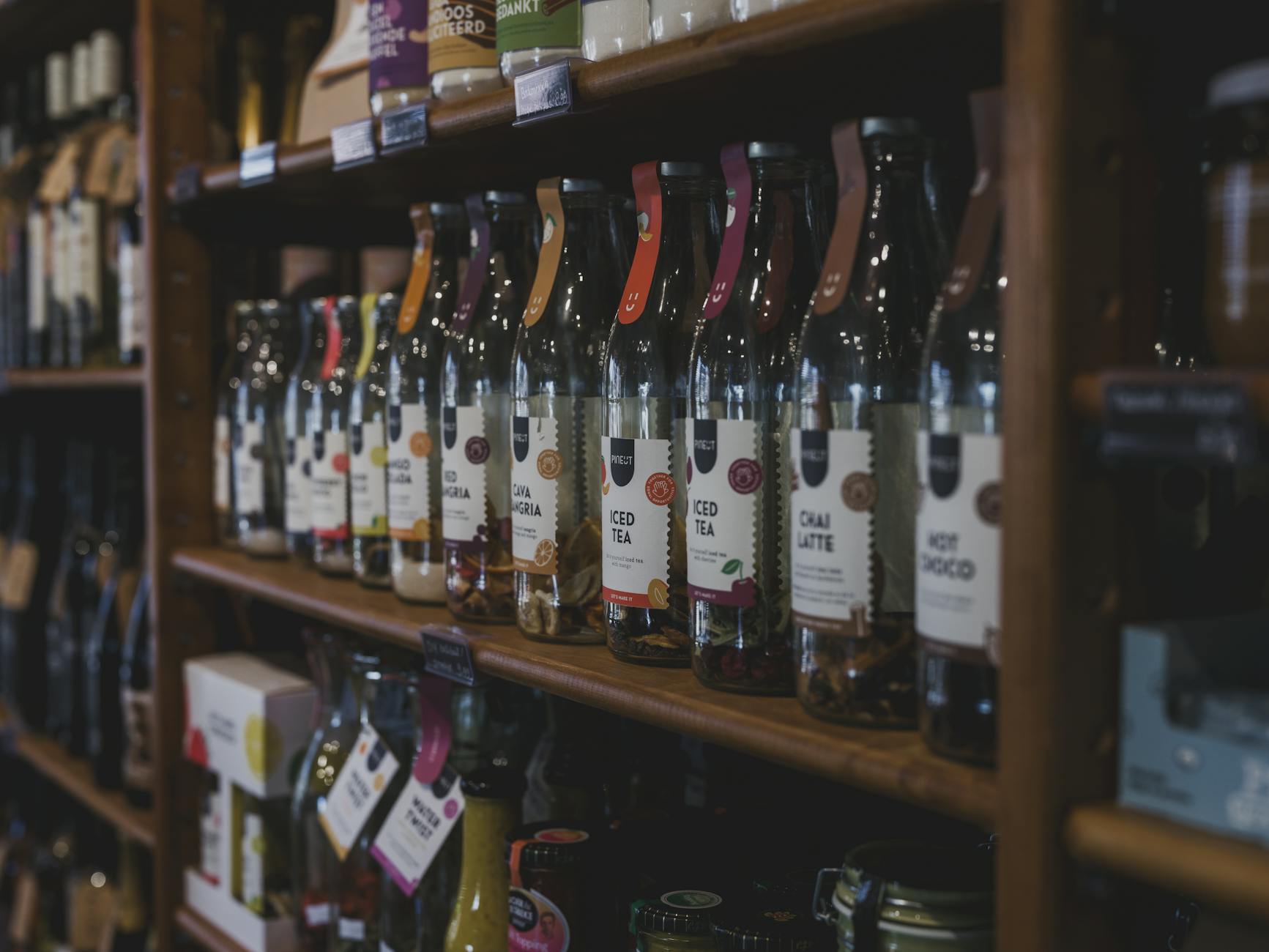
Food and beverage DTC brands have an interesting problem. The products essentially sell themselves the first time — great branding, a compelling story, an enticing first-purchase offer, and the natural human curiosity about a new food or drink product makes that initial conversion relatively easy.
The second purchase is where most brands fall apart.
In theory, F&B should be a reorder machine. People eat and drink every day. Consumables run out. The reorder is inevitable — the only question is whether they reorder from you or grab something more convenient.
The brands that build lasting reorder habits aren’t just making better products. They’re systematically using email to integrate their products into customers’ daily routines, make reordering frictionless, and create loyalty that survives the inevitable moments when a competing product is one click (or one supermarket trip) away.
Here’s how to build that system.
The Second Purchase Gap: What’s Actually Happening
Let’s trace the customer experience after a first F&B purchase:
- Customer buys your hot sauce / specialty coffee / craft snack / protein bar box
- Tries it — loves it
- Uses or consumes it over 2-4 weeks
- Starts running low
- Makes a mental note to reorder
- Gets busy. Forgets.
- Runs out.
- Picks up a replacement at the grocery store on the next shopping trip
The gap between step 5 (intent) and step 7 (action) is where you lose customers you should be keeping. And because F&B products often have supermarket or mass-market alternatives, the “grab something similar while I’m here” option is always available.
Your email strategy has to close this gap before step 7 — not after.
The Post-Purchase Welcome Flow: More Than a Thank You
Most F&B brands send a post-purchase email that confirms the order, provides tracking, and maybe includes a “shop more products” block. That’s leaving significant money on the table.
Your post-purchase flow for a food or beverage brand should do several important things:
Email 1 (Day 1): The Delight Email
This is not about upselling. It’s about making the customer feel great about their purchase before the product even arrives.
Include:
- A genuine note about why this product exists (the founder story in 2-3 sentences)
- What to expect when the package arrives (sensory anticipation — “The moment you open the box, you’ll notice…”)
- One serving suggestion or recipe idea that makes the product feel more special
- Social media invitation: “When you try it, we want to see your reaction. Tag us @[handle] — we feature real customers every week.”
This email does something most F&B brands don’t bother with: it elevates the opening and first-use experience. A customer who opens a specialty hot sauce feeling like they’re about to experience something special will have a different first impression than one who opens a package with no context.
Email 2 (Day 5-7): The “How Do You Like It?” Check-In
Sent after the product has arrived and been tried, this email:
- Asks for a simple thumbs up/thumbs down on the first experience
- Shares 2-3 ways to use the product that customers often discover later: “Most people start with the obvious use. Here are three things our regulars do with it.”
- Includes a first review request — “Tried it? Tell us what you think.” with a direct review link
The usage suggestion in this email is particularly valuable. Customers who discover more ways to use a product reorder more frequently because the product has more jobs to do in their kitchen or daily routine.
Email 3 (Day 14): The Reorder Reminder / Habit Building Email
Two weeks after purchase, a customer is likely running low or will be soon. This email:
- Acknowledges their first experience and thanks them for joining
- Gives them a habit anchor: “A lot of our customers [specific behavior — e.g., ‘keep one bottle at home and one at work,’ ‘add it to their Sunday meal prep,’ ‘use it as their pre-workout ritual’”]
- Makes the reorder frictionless: a direct link to the product, a one-click reorder option if available, or a subscription invitation
The habit anchor is important. F&B products that get integrated into existing daily rituals have dramatically higher reorder rates than products that exist as occasional treats. Your email’s job is to help customers find that habit anchor.
The Reorder Flow: Timing the Perfect Reminder
Beyond the post-purchase sequence, you need a dedicated reorder flow that triggers based on purchase history.
Calculating your reorder window:
For F&B products, the calculation is similar to skincare:
- Units per package / estimated daily consumption = days until empty
Examples:
| Product | Size | Consumption Rate | Est. Days |
|---|---|---|---|
| Specialty coffee beans | 250g bag | 2 cups/day (~15g) | 17 days |
| Hot sauce | 5oz bottle | 2-3 uses/day (~5ml) | 28 days |
| Protein bars (box of 12) | 12 bars | 1 bar/day | 12 days |
| Specialty tea | 50 bags | 1-2 bags/day | 30-50 days |
| Craft snack subscription box | Monthly | — | 30 days |
Use your order data to refine these estimates — look at the median time between repeat purchases of the same product for customers who reordered at least twice. That’s your empirical reorder window.
The reorder sequence timing:
- Email 1: 5-7 days before predicted run-out (“Running low?”)
- Email 2: At predicted run-out date (“Time to restock?”)
- Email 3: 7-10 days after predicted run-out (“Don’t go without it”)
Email 1 Content: The Low-Stock Trigger
Lead with practicality, not promotion:
“If you’re anything like our other [product] fans, you’re probably getting to the bottom of your [package]. Restock now to make sure you don’t have a morning without it.”
For coffee especially, the “morning without it” angle is powerful because the product is deeply embedded in a daily ritual. Make it vivid: “Your morning routine shouldn’t have a gap.”
Add value in the reorder email: Include one new serving suggestion, recipe, or pairing that the customer may not have tried yet. This isn’t just good content — it reminds them of the product’s versatility and gives them a reason to reorder that goes beyond “running out.”
Email 2 Content: The Subscription Pivot
If the customer didn’t reorder on Email 1, Email 2 should introduce your subscription option. Frame it around convenience, not just savings:
“Never do another emergency restock. Our subscribe & save option means your [product] arrives before you need it — at [X]% off the regular price. You can skip, pause, or cancel anytime.”
F&B subscription conversion is driven by convenience more than by price. “Never run out” is a stronger motivator than “save 15%” for most food product categories.
Building Loyalty Through Email: Beyond the Reorder
Reorder flows get customers buying again. Loyalty email strategy gets them buying always.
The difference: a customer with a reorder habit buys when they run out. A loyal customer buys your new releases, buys to gift, and resists switching to competitors even when cheaper alternatives are available.
The Recipe and Usage Email Series
For F&B brands, recipe content is the highest-performing engagement driver in email. Customers who receive regular recipe inspiration using your products:
- Use the product more frequently (higher consumption rate = faster reorders)
- Feel a stronger connection to your brand
- Associate your product with a wide range of use occasions (not just the one they originally bought it for)
Structure your recipe email series:
- Send one recipe or usage idea per month as a standalone email
- Feature 3 difficulty levels: quick weeknight, weekend cooking project, entertaining showpiece
- Include a real photo from a customer if possible — not just professional food photography
- Lead with the story behind the recipe (“This one came from a customer in Portland who sent us a photo of her…”)
The customer story angle is powerful here because it activates the social proof function: other people like them are cooking with your product in real kitchens and loving it.
The Loyalty Program Integration Email Series
If you have a loyalty program, email is how you make it feel real and valuable rather than just a points accumulation ticking in the background.
Key loyalty emails to build:
Welcome to Loyalty Email (triggered at first purchase or first point):
Explain the program in simple terms, tell them what they can earn toward, and give them an immediate small win (“You’ve already earned 50 points — that’s $2 toward your next order”).
Points Balance Reminder (monthly or quarterly):
“You have [X] points — that’s [$Y] toward your next order. Here’s what you can redeem for.” With specific product examples, not just a points balance.
Tier Upgrade Email:
When a customer moves up a loyalty tier, celebrate it. Make it feel like an achievement. Tell them specifically what’s different about their new tier.
Redemption Reminder Email (when points approach expiry or are high enough to redeem for something meaningful):
“You have enough points for a free [Product Name]. Want to use them?” Direct CTA, no friction.
The most common loyalty program failure in email is that customers forget the program exists. Monthly touchpoints that remind them of their balance and what they can earn it toward are the engine that keeps the program top-of-mind and driving repeat purchases.
The Win-Back Flow for Lapsed F&B Customers
Food and beverage brands lose customers for mundane reasons: they tried a new brand, they found a physical retail option, or they simply forgot to reorder.
Win-back emails for F&B should focus on:
- The reminder: “It’s been [X] weeks since your last order — we noticed.”
- The reason to come back: A new product, a seasonal item, or a returning customer offer
- The simplicity angle: “One click and your [product] is on its way.”
For F&B specifically, the “new flavor” or “new release” is a powerful win-back trigger. A customer who drifted might come back for a limited seasonal offering or a new SKU that didn’t exist when they were last active.
Segment your win-back emails by time since last purchase:
- 60-90 days: gentle re-engagement, no offer needed
- 90-150 days: small incentive (free shipping or 10% off)
- 150-180 days: meaningful offer (free product, 20% off, or exclusive bundle)
- 180+ days: sunset or aggressive win-back offer before removing from list
A Quick Note on SMS + Email for F&B Brands
Food and beverage has some of the highest SMS opt-in rates in DTC because the products are habitual and impulse-friendly. A text that says “Your coffee order is running low — reorder in one tap?” lands differently than an email.
Use email for education, recipe content, loyalty updates, and longer-form communication. Use SMS for time-sensitive reorder nudges, flash promotions, and product launch announcements. The combination dramatically outperforms either channel alone.
Ready to Build Reorder Habits That Compound Over Time?
The most successful food and beverage DTC brands aren’t spending more on acquisition — they’re investing in the email systems that make reordering the path of least resistance for customers who already love their products.
At Excelohunt, we build reorder flows, loyalty integration emails, and full post-purchase sequences for F&B brands that consistently increase second-purchase rates and customer lifetime value.
Related Excelohunt Services
Looking to implement these strategies with expert support?
- Email Automations — learn how we implement this for clients Get a free audit of your food and beverage email strategy →
We’ll analyze your current flows, your second-purchase rate, and your loyalty program emails — and show you the specific changes that will move the needle on repeat revenue.
More in E-Commerce
- Email Marketing for UK Subscription Box Brands: Reducing Churn and Growing LTV
- Email Marketing for Australian Shopify Brands: The Complete Setup Checklist
- Email Marketing for UK Supplements & Nutrition Brands
- How Australian E-Commerce Brands Can Win Back Lapsed Customers With Email
- Email Marketing for Canadian Supplements & Nutrition Brands