Inspiration-Led Email Marketing for Home Decor Brands: Selling Rooms, Not Just Products
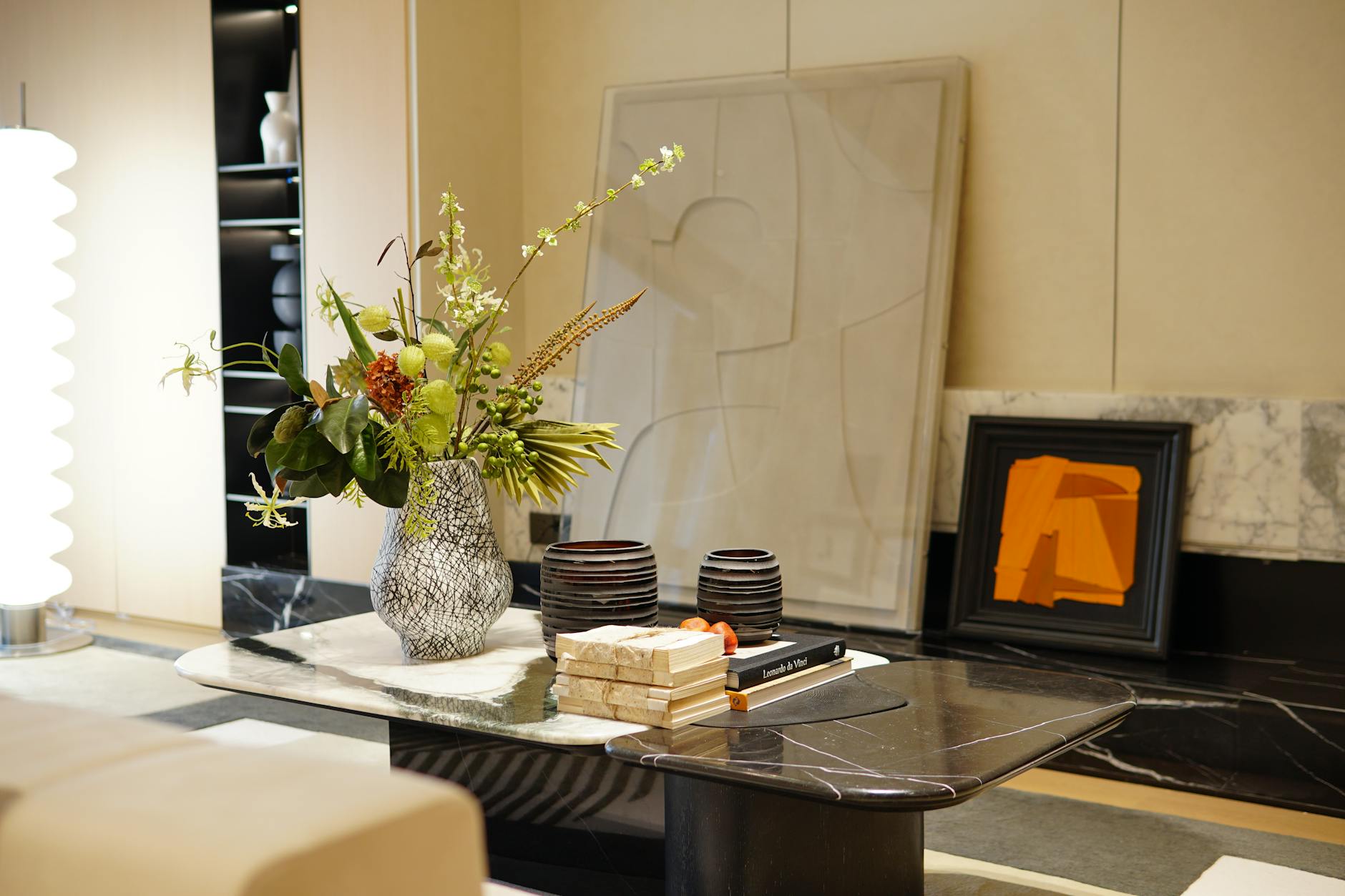
Here’s the problem with most home decor brand emails: they look like a product catalogue. Grid of items, prices, “shop now” buttons. It gets the job done — barely — but it misses everything that makes home decor a uniquely emotional, aspirational purchase category.
Your customers aren’t shopping for a cushion. They’re shopping for the feeling of walking into their living room on a Sunday morning and thinking: this is exactly what I wanted it to be.
The brands that win in home decor email marketing understand this. They sell rooms. They sell lifestyles. They sell the version of home that their customer is reaching for. And the emails look more like a luxury magazine than a product listing.
Why Home Decor Customers Need Inspiration Before Purchase
In most product categories, the customer knows what they want and just needs to be convinced to buy it from you. Home decor is different. The customer often has a vague feeling — “I want this room to feel more cosy” or “I want the hallway to feel less dated” — but they don’t know which products will get them there.
This means your email’s first job isn’t to sell. It’s to inspire. To show the customer what’s possible. Once they can see the finished room in their mind, individual products become the obvious next step.
The insight underpinning inspiration-led email: aspiration precedes action. Get the aspiration right and the action follows naturally.
The Editorial Email Format
The editorial email is the core format for inspiration-led home decor marketing. It’s structured more like a magazine spread than a product email:
Structure of an editorial home decor email:
- A beautiful, full-width room image — not a white-background product shot, but a styled room scene
- A short, evocative headline — “The living room that makes you want to stay in”
- A brief, atmospheric paragraph — 3-4 lines that paint the mood, the feeling, the moment
- “Shop the room” product picks — 3-6 specific items from the scene, shown in the context of the room
- Secondary editorial section (optional) — a complementary room or style angle
- One clear CTA — “Explore the collection”
This format works because it sells the dream first and the products second. The customer isn’t looking at a cushion — they’re looking at a cushion on a specific sofa, in a specific kind of light, in a room they want to live in.
Example editorial emails that perform well:
“The Sunday Morning Bedroom” — crisp linen, soft light, a tray with coffee. Sells the bedding, the lampshade, the throw, the tray.
“The Dining Room That Hosts Beautifully” — a table set for a dinner party, warm candles, layered textures. Sells the tablecloth, candleholders, centrepiece, placemats.
“A Living Room Worth Coming Home To” — a sofa with layered cushions, a rug that anchors the room, a coffee table that says something. Sells the cushions, rug, and table.
“Small Space, Big Personality” — a compact apartment done beautifully. Sells small-space solutions to a huge audience who feel their homes can’t be stylish.
Curated Collection Campaigns
Beyond single editorial emails, run regular curated collection campaigns — themed around aesthetic, season, mood, or style personality.
Collection campaign ideas:
- “Warm Minimalism: 12 pieces for a calm, characterful home”
- “Maximalist at Home: for the rooms that dare to be seen”
- “Texture First: the tactile pieces making our stylists obsessed this season”
- “Investment Pieces: things we’d spend more on, and why”
- “The Rental-Friendly Edit: transform your space without a single nail”
Each collection email should feel curated, not just aggregated. Include a brief intro from your “editor” or “chief stylist” that explains why these pieces belong together and what they add up to as a room.
The curation creates authority. Your customer begins to trust that your selections are worth their attention — and their money.
The “Style Match” Sequence
One of the most powerful email sequences for home decor is the style match series — where you educate the customer about their own interior style and then curate product recommendations accordingly.
How it works:
Entry point: A “Find Your Style” quiz on your website or in a welcome email. Questions like:
- “How do you want your living room to feel?” (Calm / Energetic / Cosy / Elegant)
- “Which image best represents your dream bedroom?” (Visual choice)
- “What’s your relationship with colour?” (Neutral haven / Considered accents / Bold statement)
Email 1: Quiz results email — “You’re a Warm Minimalist (and here’s your edit)”
Tell them their style, explain what it means, and give it a name that feels aspirational. Then deliver a curated collection that fits their style. This is the most personalised email you’ll ever send, and personalisation in home decor dramatically outperforms generic campaigns.
Email 2 (1 week later): “How [Style Name] customers style their [specific room]” — room-by-room inspiration for their identified style
Email 3 (2 weeks later): “The [Style Name] wishlist” — a seasonal edit of the best new arrivals that match their profile
Ongoing: Continue to tag these customers by style and send them curated collections that match. Their engagement will significantly outperform your general list.
Room-Specific Campaign Sequences
Another effective campaign structure segments by room and sends dedicated content for each space:
- Living room inspiration series — across 3-4 emails over 6 weeks
- Bedroom refresh series — bedding, lamps, artwork, plants
- Kitchen and dining — functional + aesthetic: storage, table setting, display
- Outdoor / garden — seasonal, especially spring
Running a room-specific series is particularly effective when paired with browse data. If someone repeatedly visits your living room category, serve them living room inspiration. If they’re browsing bedroom products, send the bedroom series.
Design Education as Sales Content
Some of the highest-converting home decor emails aren’t overtly promotional at all. They’re educational. Topics that work:
- “How to layer textures without it looking messy” — practical styling advice that happens to feature your products
- “The rule of three in interior styling” — introduce a design concept, demonstrate it with your products
- “Why your room doesn’t feel finished (and how to fix it)” — diagnose a common design frustration, offer the product solution
- “How to mix metals without making mistakes” — rules-based content that sells your mixed-metal collection
- “The art of the bookshelf” — aspirational styling content that sells books, objects, and plants
These emails get shared and saved at a higher rate than any promotional email. They also build the brand perception that your company has aesthetic authority — which increases purchase confidence for high-AOV items.
Subject Lines for Inspiration-Led Home Decor Emails
Aspirational:
- “The living room we haven’t left”
- “This is what Sunday morning should feel like”
- “The bedroom your mornings deserve”
- “A room that thinks for itself”
Curiosity-driven:
- “The design rule nobody told you about”
- “Why your room doesn’t feel finished (and the fix)”
- “Interior stylists do this one thing differently”
- “We styled a flat for £400. Here’s how.”
Curated collection:
- “12 pieces making every room look considered”
- “The texture edit: what our buyers are ordering this month”
- “New in: the pieces worth making room for”
- “For homes that have something to say”
Photography and Design for Home Decor Emails
Inspiration-led emails live or die on visual quality. Some principles:
- Always use lifestyle imagery for hero visuals — products in rooms, not isolated on white
- Show scale — a rug looks meaningless without a sofa to anchor it
- Use natural light wherever possible — it signals the warmth and quality customers aspire to
- Show imperfection — a perfectly styled room feels attainable; a sterile showroom doesn’t
- Consistent aesthetic — your email imagery should feel like a coherent point of view, not a grab bag of product shots
Even if you don’t have a large photography budget, curating imagery from styled lookbooks and customer-submitted photos (with permission) can achieve the editorial feel on a modest budget.
Building the Inspiration Funnel
The editorial email doesn’t exist in isolation. Map the customer journey from inspiration to purchase:
- Discovery email — editorial inspiration, no hard CTA
- Education email — styling tips featuring the collection
- Collection email — curated products from the inspiration, with “shop the room” CTAs
- Abandoned browse follow-up — if they click through but don’t buy, follow up with the specific piece they viewed
- Social proof email — customer rooms featuring the products they considered
- Last push — limited stock or seasonal relevance nudge
This funnel moves the customer from “that looks beautiful” to “I need this in my home” with a series of nudges that respect the consideration process rather than rushing it.
Build an Email Program That Looks as Good as Your Products
If your home decor brand’s emails look like a product catalogue rather than a design magazine, you’re underselling the most emotionally compelling purchase category in retail.
At Excelohunt, we build inspiration-led email programs for home decor brands — full strategy, editorial content calendar, design direction, and automation setup, all done for you.
Get your free email audit at /free-audit — we’ll review your current email program and show you exactly how a properly executed inspiration-led strategy could transform your engagement and revenue.
Your products deserve better than a grid and a “shop now” button. Let’s build something worth opening.
Related Excelohunt Services
Looking to implement these strategies with expert support?
- Email Campaigns — learn how we implement this for clients
More in Strategy
- Best Email Marketing Agencies for Small DTC Brands ($40k+/mo)
- Best Email & SMS Marketing Agencies for Ecommerce (2026)
- Chronos Agency Alternatives for $40k–$500k/mo DTC Brands
- Chronos Agency Pricing Explained: Is the $10k Minimum Worth It?
- Chronos Agency vs InboxArmy: Which Is Better for DTC Email?