Email Marketing for High-AOV Furniture Purchases: Nurturing the 30-Day Decision Window
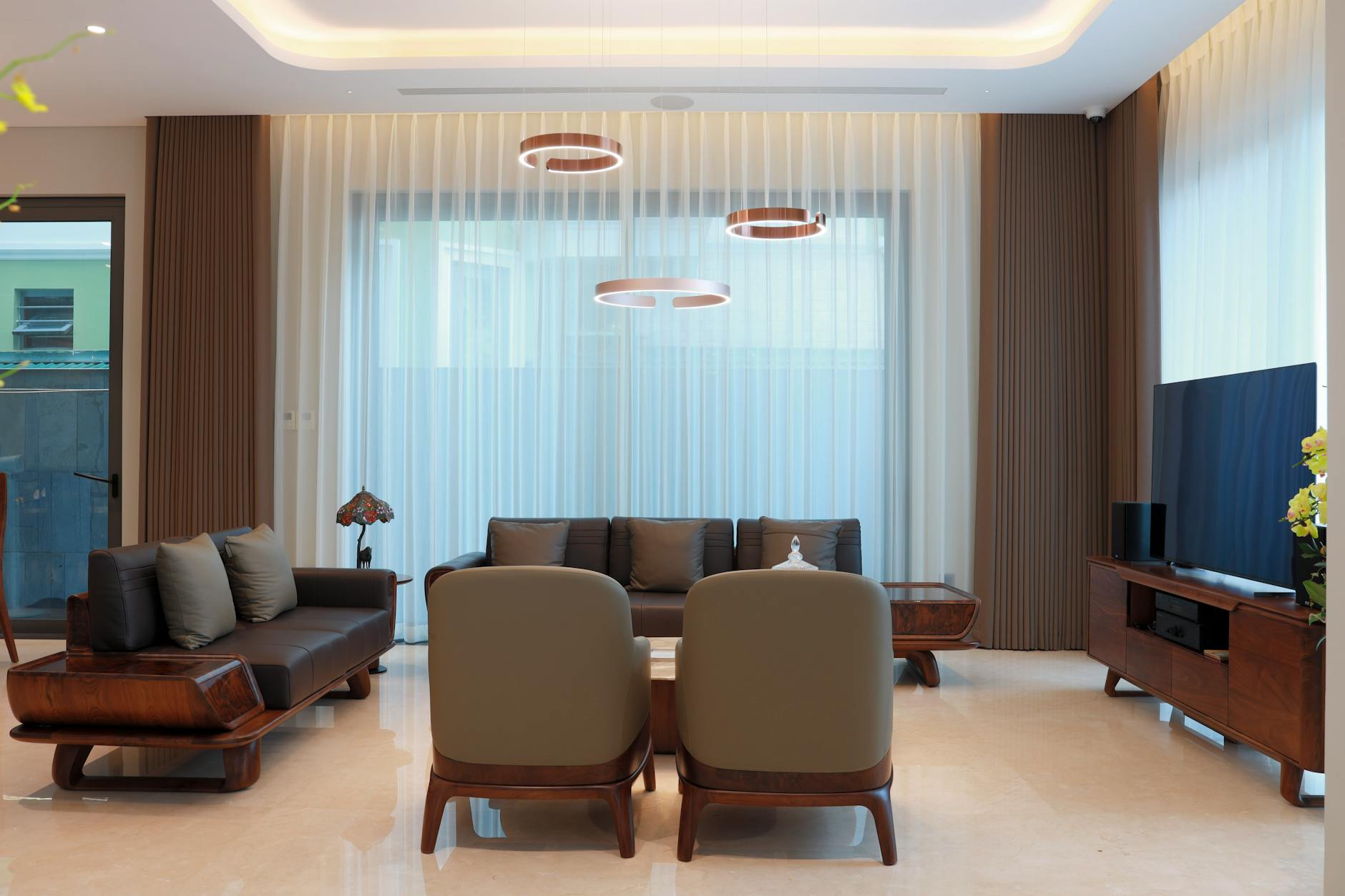
Furniture is the ultimate considered purchase. Nobody buys a £1,200 sofa impulsively. They research, they measure, they browse competing brands, they ask their partner, they sleep on it, they come back, they browse again, and eventually — sometimes weeks later — they decide.
The brands that win furniture sales aren’t always the ones with the best products or the lowest prices. They’re the ones that stayed visible, relevant, and reassuring throughout the entire consideration window.
If your furniture brand doesn’t have a systematic email nurture sequence, you’re invisible during the period when your customer is most actively deciding. You’re losing sales not because you failed to convince them — but because a competitor’s email arrived at exactly the right moment and yours didn’t.
The Anatomy of a Furniture Buying Decision
To build the right nurture sequence, you need to understand what a furniture buyer actually goes through in the 2-4 weeks between first consideration and final purchase.
The consideration stages:
Week 1 — Inspiration and possibility
The customer is excited. They’ve seen something they love. They’re imagining the room. They’re in a highly receptive, exploratory state.
Week 2 — Research and comparison
Reality kicks in. They’re measuring spaces, reading reviews, comparing alternatives, checking delivery times, and trying to justify the spend. This is when doubt peaks.
Week 3 — Narrowing down
They’ve done the research. They’re back to 2-3 options and working toward a decision. They need social proof, reassurance, and practical answers.
Week 4 — Decision and purchase
Either they buy, or they’ve moved on. What tips the balance at this stage is usually a combination of confidence in the product, confidence in the brand, and a perceived reason to act now rather than wait.
Your email nurture sequence needs to show up with the right content at each of these stages.
The Furniture Consideration Nurture Sequence
This sequence is triggered when a customer browses a product or category above your high-AOV threshold (typically £500+) but doesn’t purchase.
Email 1 — Within 2 hours: The Inspiration Confirmation
Subject: “The sofa you were looking at — a few things worth knowing”
This is not a cart abandonment email. It’s warmer than that. The customer hasn’t added it to their cart — they’re still in the inspiration phase. Meet them there.
Include:
- A beautiful lifestyle image of the piece in a styled room
- A short paragraph about the design, the craftsmanship, the materials — something that adds depth to the product page
- One or two “rooms we love it in” images — show it working in different settings and styles
- A soft CTA: “Save it to your wishlist” (not “buy now”)
Save the hard sell. Right now, your job is to deepen the aspiration.
Email 2 — Day 2: The Practical Reassurance Email
Subject: “Your questions about ordering furniture online — answered”
Week-one anxiety is largely about practical concerns: Will it look right in my room? How does delivery work? What if I hate it? Can I return it?
Address them directly:
- Delivery: “Our two-person white glove delivery team will bring [product] to your room of choice, unpack it, and remove all packaging. You don’t lift a thing.”
- Returns: “Our 30-day in-home trial means if it doesn’t work in your space, we’ll collect it — free of charge.”
- Dimensions: Include a dimension guide and link to your room planner or AR visualisation tool
- Materials: “Here’s what [material] looks and feels like over time — and why our customers tell us it gets better”
This email doesn’t sell the product — it sells the confidence to buy the product. That’s a different thing, and it’s crucial for high-AOV furniture.
Email 3 — Day 4: The Room Visualisation Email
Subject: “See how it looks in your room before you order”
If you have an AR or room planning tool, this is the email where you introduce it. If you don’t, this email uses styling guidance and real customer room photos to help the customer visualise.
Content:
- Feature 3-4 customer-submitted room photos featuring the exact piece they browsed
- Include a short quote from each customer about how it transformed their space
- Link to your room planner / AR tool with a simple CTA: “See it in your room in 30 seconds”
- If you offer fabric or material samples, introduce them here: “Not sure about the colour in your light? We’ll send you a free sample.”
For furniture, the inability to physically see the piece in your space is the single biggest barrier to online purchase. This email removes that barrier.
Email 4 — Day 7: The Social Proof Deep Dive
Subject: “4.9 stars across 847 reviews — here’s what people actually say”
At one week, the customer is in research-and-comparison mode. Give them the ammunition to make the decision.
Go beyond star ratings:
- Pull two or three long-form reviews that speak to specific concerns (durability, comfort, delivery experience, value)
- Include a review that specifically mentions the piece they browsed
- Feature a “verified customer” photo gallery
- Address any common concerns raised in reviews proactively: “Some customers mention needing time to break in the [material] — here’s what that looks like at 3 months and 12 months”
Transparency here is powerful. Customers who feel you’re showing them the full picture — including the honest caveats — trust you more than brands that only show perfect five-star quotes.
Email 5 — Day 10: The Financing and Value Email
Subject: “The piece you loved — and what it actually costs per day”
High AOV furniture can feel like a big number in the moment. Reframe it.
Calculate and display:
- Cost per year (e.g., “£1,400 over 10 years = £140 per year”)
- Cost per day (“Less than a takeaway coffee”)
- Monthly instalment if you offer BNPL/financing: “From £38/month with [partner]”
- Compare to the cost of replacing a lower-quality alternative: “Most fast-furniture sofas need replacing in 3-5 years. This one is designed to last 15+”
Include your financing options clearly. A significant percentage of furniture purchase hesitation is about cash flow, not about whether they want the piece. BNPL and instalment options often convert customers at this stage who are held back only by the upfront cost.
Email 6 — Day 14: The Limited Availability Email
Subject: “An update on the piece you were looking at”
Two weeks in, the customer needs a gentle reason to act. Use honest scarcity or relevant information:
- “This colourway is currently on 8 week lead time — if you’re hoping to have it before [upcoming occasion], here’s your last ideal window to order”
- “We’re getting low on this fabric option — here’s what we’d recommend if it sells out”
- “We’ve just updated our delivery window — current lead time is [X] weeks”
Avoid manufactured urgency. Furniture customers are sophisticated and will see through fake “only 2 left” tactics. Honest availability information, on the other hand, is both compliant and genuinely useful.
Email 7 — Day 21: The Personal Recommendation Email
Subject: “We’d love to help you find the right piece”
Three weeks in, some customers need a human touchpoint. Invite them to:
- Book a virtual interior design consultation
- Chat with your product specialists via live chat
- Visit your showroom (if applicable)
- Email specific questions to a named team member
Include a curated alternative recommendation: “If [original piece] isn’t quite right, here are two alternatives that our team often suggests to customers with similar rooms.” This signals that you’re invested in finding them the right piece, not just selling them a piece — and that builds the kind of trust that closes high-AOV sales.
The Post-Browse Email for Specific Categories
Beyond the main nurture sequence, build category-specific follow-ups:
Sofa browsers: Focus on comfort, durability, pet/child-friendliness, fabric options, and living room configuration advice
Dining table browsers: Focus on size guides, extendable options, matching chairs, styling and setting advice
Bedroom furniture browsers: Focus on storage solutions, mattress compatibility, room flow and layout
Outdoor furniture browsers: Focus on weather resistance, cover options, seasonal timing, and assembly
Relevance dramatically outperforms generic follow-ups. A customer who browsed dining tables should not receive the same nurture sequence as someone who browsed bedroom furniture.
Supporting the Nurture With Retargeting Alignment
Your email nurture works best when it’s coordinated with paid retargeting. Align the messaging:
- Email Day 2 = inspiration-led retargeting ad (same product, lifestyle imagery)
- Email Day 7 = social proof-focused retargeting ad (reviews and customer rooms)
- Email Day 14 = financing or availability-led retargeting ad
When a customer sees consistent, coherent messages across email and paid channels, brand trust accelerates and the decision window shortens.
Subject Lines for Furniture Consideration Emails
- “The sofa we think you’ll stop thinking about (once it’s in your room)”
- “Before you decide, read this”
- “How this looks in 847 real homes”
- “The honest guide to buying furniture online”
- “From ‘I love it’ to ‘it’s delivered’ — here’s how it works”
- “We’ll bring it to your room. You just point.”
- “The [piece] at £X — or £38/month. Here’s how that works.”
- “We know you’re still thinking about it. So are we.”
Stop Losing Furniture Buyers in the Consideration Window
If your furniture brand doesn’t have a systematic email nurture sequence, you’re spending heavily to acquire customers and then letting them drift to competitors during the exact period they’re most ready to buy.
At Excelohunt, we build done-for-you furniture consideration nurture sequences — every email, every flow, designed for the specific psychology of high-AOV home purchases.
Claim your free email audit at /free-audit — we’ll review your current setup and quantify what a proper nurture sequence would be worth to your business.
Your customers are considering. Make sure they’re considering you.
Related Excelohunt Services
Looking to implement these strategies with expert support?
- Email Automations — learn how we implement this for clients
More in E-Commerce
- Email Marketing for UK Subscription Box Brands: Reducing Churn and Growing LTV
- Email Marketing for Australian Shopify Brands: The Complete Setup Checklist
- Email Marketing for UK Supplements & Nutrition Brands
- How Australian E-Commerce Brands Can Win Back Lapsed Customers With Email
- Email Marketing for Canadian Supplements & Nutrition Brands