Occasion-Based Email Marketing for Jewellery Brands: Capturing Birthdays, Anniversaries & More
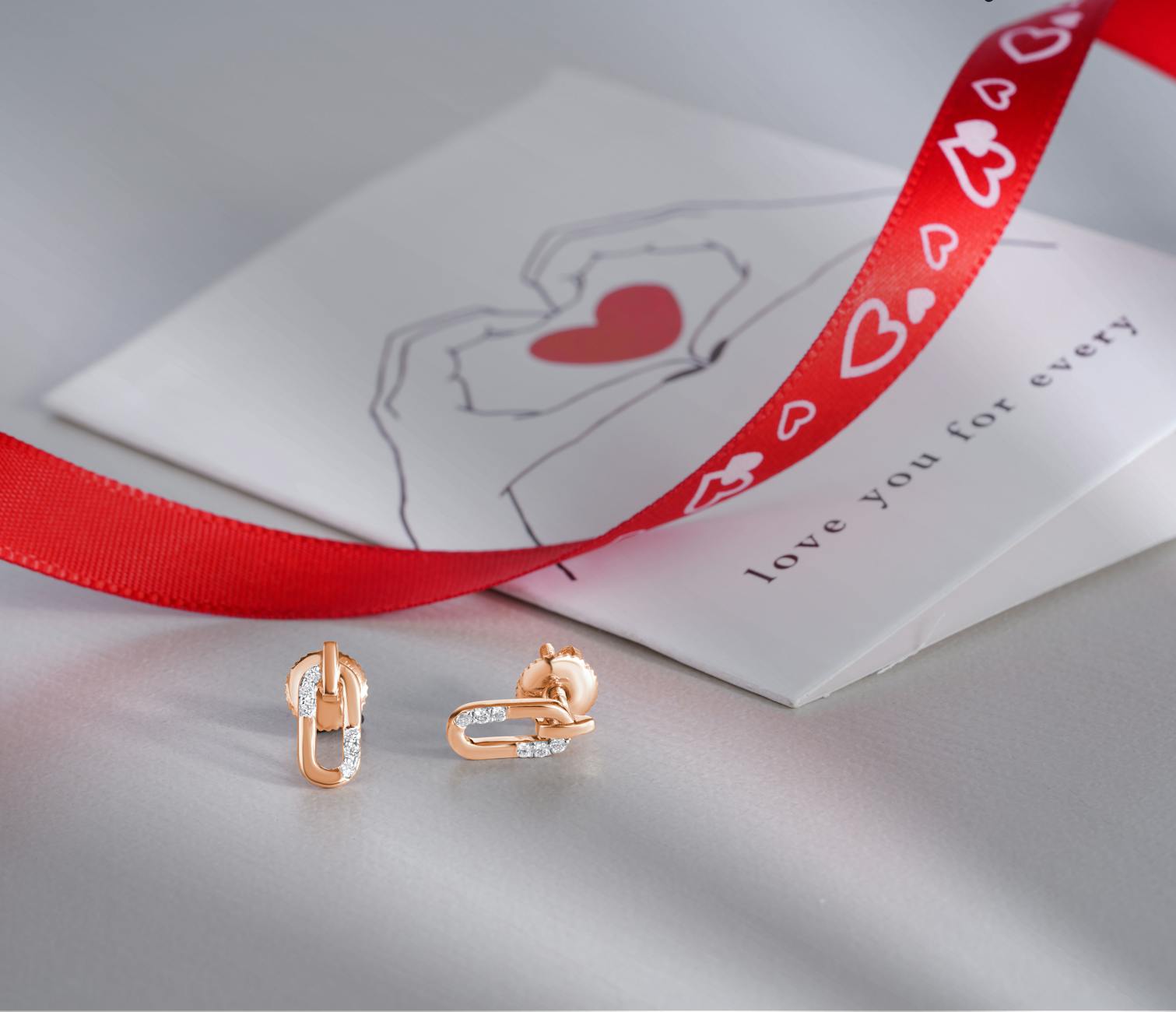
Jewellery is one of the most occasion-driven product categories in retail. When someone is shopping for an engagement ring, a birthday gift for their partner, or a “push present” — they are in the market right now, and the brand that reaches them at the right moment wins.
The tragedy is that most jewellery brands have no systematic way of reaching people at those moments. They run generic campaigns, send the same email to everyone, and watch gifting opportunities pass without capturing them.
This guide is about building the occasion-based email infrastructure that means you’re always in the right inbox at exactly the right time.
The Gifting Occasion Revenue Model
Before building your flows, understand the landscape of gifting occasions your customers are navigating:
High-frequency occasions (every year):
- Birthdays (partner, spouse, mother, daughter, friend)
- Anniversaries (wedding, dating, friendship)
- Valentine’s Day
- Mother’s Day
- Christmas / Hanukkah / Eid gifting
Life milestone occasions (once in a customer’s relationship with you):
- Engagement
- Wedding
- Baby shower / “push present”
- Graduation
- “Just because” milestone gifts (first house, promotion, recovery)
Each of these represents a buying moment that your email program should be designed to capture. If you don’t have flows for them, you’re invisible precisely when intent is highest.
How to Collect Occasion Data
The foundation of occasion-based email marketing is data. You need to know about upcoming occasions in your customers’ lives — but you also need to collect that data in a way that feels natural and valuable to the customer.
Tactics for data collection:
At sign-up (pop-up or sign-up form):
- “What’s coming up that you might be shopping for?” (dropdown with key occasions)
- “When is your partner’s birthday?” (date picker)
- “Tell us about the person you’re shopping for” (persona selection)
Post-purchase survey (embedded in thank you email):
- “Who was this gift for?” — collects relationship data
- “When is their next birthday?” — collects date for anniversary trigger
- “Are there other occasions you shop for gifts?” — expands occasion data
Preference centre:
- Build a “gifting calendar” section in your email preference centre where subscribers can add key dates and tell you who they’re shopping for
Account creation:
- Incentivise account creation with a “Gifting Reminder” feature — “Never miss an important date again. Add your dates and we’ll remind you to shop in time.”
Even if you only collect data on 20-30% of your list, those contacts will convert at dramatically higher rates than untargeted recipients.
Building the Anniversary Email Flow
Your anniversary flow is the highest-value automated sequence in jewellery email marketing. It works for both product anniversaries (a year since they bought from you) and relationship anniversaries (their wedding or dating anniversary, if you’ve collected the date).
The structure of a great anniversary flow:
Email 1 — 6 weeks before the date:
Subject: “[Name]‘s anniversary is coming up — start here”
This is your early shopper email. Lead with gift inspiration — curated collections at different price points. Include a “finding the right piece” guide. No hard sell. This email is for the thoughtful, early-planning customer.
Email 2 — 3 weeks before:
Subject: “Still thinking about what to get? We have ideas.”
Mid-funnel gift guide. More specific product recommendations based on their purchase history and any persona data. Include social proof from customers who gifted similar pieces. Add a “personalisation takes time” message if you offer engraving — because it does, and this plants urgency without being pushy.
Email 3 — 10 days before:
Subject: “10 days away — and this is what other customers chose”
Social proof-heavy email. Show bestsellers for the occasion. Include reviews from customers who gifted these pieces. Introduce the personalisation deadline if applicable. This is your main conversion email.
Email 4 — 5 days before:
Subject: “Order by [date] for guaranteed delivery”
Logistics-focused urgency. When is the last day to order for standard delivery? Express delivery? Highlight your gifting packaging, your gift message option, and your easy returns policy. Remove every remaining objection.
Email 5 — Day after the occasion:
Subject: “Hope it was a beautiful day — and a little something for next time”
Post-occasion email sent one day after. Congratulate them, ask if everything went well, and plant the seed for next year. Include a subtle incentive to return (“Use this code before the end of the month”) and ask them to share a photo or review.
Birthday Flows: Theirs vs. Their Loved Ones’
There are two distinct birthday flows you should be running:
The subscriber’s own birthday
Triggered by their birth date (if collected). This is a warm, celebration-focused email — not primarily a sales email. Offer them something: a birthday discount, a free gift with purchase, early access to new arrivals. Make them feel seen.
Subject: “Happy Birthday [Name] — something from us 🎁”
This email builds loyalty and typically generates above-average conversion because the recipient is emotionally open. Keep the tone warm, personal, and celebratory.
Buying for someone else’s birthday
This is a larger opportunity. Run campaigns in the weeks before major gifting birthdays (partner, mum, best friend). Use segmentation based on:
- Relationship data collected at sign-up
- Purchase history (they’ve bought as a gift before)
- Browse behaviour on “gifts for her/him” categories
Subject: “Her birthday is coming — has she dropped any hints?”
This playful subject line works because it speaks to the lived experience of gift-giving for a partner. The email should include a curated gift guide with a clear price range filter, a “she told us she loves these” social proof section, and a gifting quiz CTA for customers who need more help.
The Gifting Occasion Calendar Campaign Strategy
Beyond automated flows, you need a manual campaign calendar built around the major gifting occasions in your market:
6-Week Campaign Structure for Major Occasions (Valentine’s Day, Mother’s Day):
| Timing | Email Focus | Subject Idea |
|---|---|---|
| 6 weeks before | Gift inspiration launch | ”Valentine’s Day gifting starts here” |
| 4 weeks before | Curated collections | ”The pieces everyone is gifting this year” |
| 3 weeks before | Personalisation reminder | ”Leave time for engraving — here’s the deadline” |
| 2 weeks before | Social proof + bestsellers | ”14,000 sold last February. Here’s the top 5.” |
| 10 days before | Last easy order date | ”Order by [date] — guaranteed in time” |
| 5 days before | Urgency + express delivery | ”Still time. Express delivery available.” |
| 1 day before | Last chance | ”Tomorrow is Valentine’s Day — last chance” |
| Day after | Celebration + loyalty offer | ”Hope they loved it. Here’s your next occasion covered.” |
This structure works for any major gifting occasion. Adjust the tone and curation based on the audience.
Gift Guides as Email Content
One of the most powerful occasion-based email formats is the curated gift guide — a single email that presents multiple options across price points and styles for a specific recipient or occasion.
Guide formats that work:
- “Gifts for Her Under £50 / £100 / £200”
- “What to Give Your Mum (By Style Personality)”
- “Jewellery She Can Wear Every Day vs. Jewellery for Special Occasions”
- “From New Partner to Long-Term Love: Gifts for Every Relationship Stage”
- “The 10-Second Gift Finder” (link to a quiz or curated collection filter)
Gift guides have high click rates because they’re genuinely useful to the reader. They’re not selling — they’re helping. And they naturally lead to purchase because they remove the decision fatigue that often kills gifting intent.
Segmentation for Occasion Emails
Not every customer buys jewellery as a gift. Segment your occasion flows carefully:
- Gift buyers vs. self-purchasers — your gifting flows should target gift buyers; your self-purchase segment needs a different angle
- Gender and relationship data — “gifts for her” campaigns should go to customers who indicated they have a female partner, mother, or daughter they buy for
- Price sensitivity — segment by average order value to send the right gift guides at the right price points
- Occasion history — a customer who bought for Valentine’s Day last year is your top target for this year’s campaign
Subject Lines for Occasion-Based Jewellery Emails
For partners:
- “She’s not dropping hints — she’s leaving breadcrumbs”
- “The gift that tells her you actually listened”
- “He spent 10 minutes picking it. She’ll wear it for 10 years.”
For mothers:
- “What do you get the woman who says she doesn’t want anything?”
- “For the mum who does everything (get her the thing she’d never buy herself)”
- “From daughter to mum: the piece that says everything”
For anniversaries:
- “X years deserves more than a card”
- “The tradition that means something — every year”
- “What you gave her then, and what you’ll give her now”
Urgency/logistics:
- “This is your last safe delivery window”
- “Engraving deadline: [date]”
- “Order by midnight — delivered before [occasion]“
Never Miss Another Gifting Opportunity
If your jewellery brand doesn’t have occasion-triggered email flows, you’re relying on customers remembering to shop with you — and that’s a gamble you lose every time.
At Excelohunt, we build done-for-you occasion email programs for jewellery and accessories brands — including the automation setup, segmentation strategy, and full email copy for every flow and campaign.
Get a free email audit at /free-audit — we’ll identify which gifting occasions your current email program is missing and what a systematic occasion strategy could be worth to your brand.
The occasions will keep coming. The question is whether you’re there when they do.
Related Excelohunt Services
Looking to implement these strategies with expert support?
- Email Automations — learn how we implement this for clients
More in Strategy
- Best Email Marketing Agencies for Small DTC Brands ($40k+/mo)
- Best Email & SMS Marketing Agencies for Ecommerce (2026)
- Chronos Agency Alternatives for $40k–$500k/mo DTC Brands
- Chronos Agency Pricing Explained: Is the $10k Minimum Worth It?
- Chronos Agency vs InboxArmy: Which Is Better for DTC Email?