Selling High-Ticket Jewellery via Email: The Nurture Sequence That Closes Considered Purchases
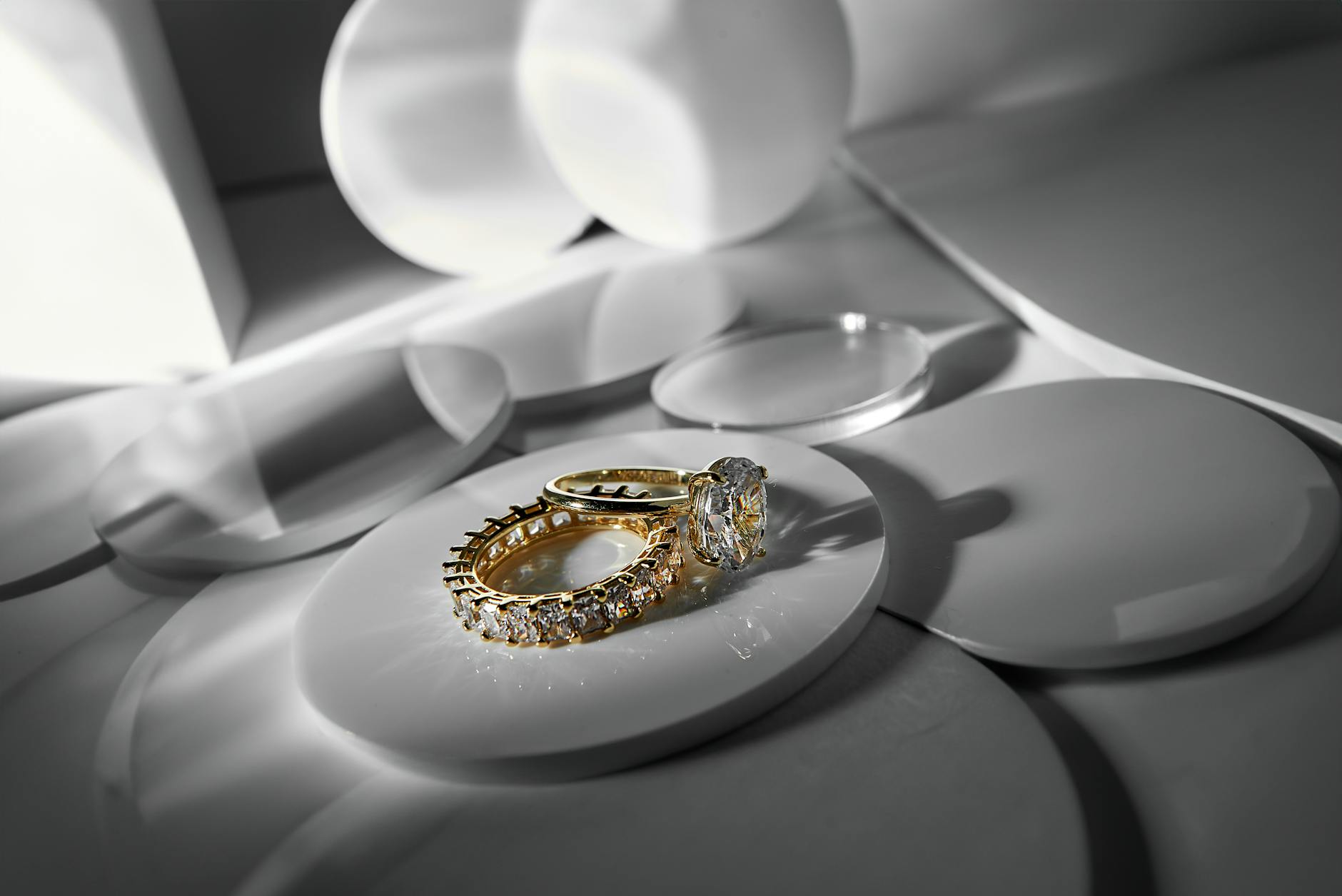
A customer browses your engagement ring collection for 45 minutes. They save three pieces to their wishlist. They visit your site again three days later. And then — nothing.
No purchase. No inquiry. Just silence.
This is the high-ticket jewellery dilemma. The consideration window for a £1,000+ piece can span weeks. Most brands send one or two follow-up emails, get no response, and move on. The customer doesn’t buy from you — they buy from the brand that stayed in front of them long enough.
The brands winning in high-ticket jewellery email marketing understand that a single email doesn’t close a considered purchase. A sequence does.
Understanding the High-Ticket Consideration Cycle
Before you build the sequence, understand what your prospective customer is actually going through during their consideration window.
When someone is considering a significant jewellery purchase, they’re weighing:
- Quality confidence — Is this piece worth the price? Will it last?
- Authenticity and provenance — Is this brand legitimate? Where does the stone come from?
- Style certainty — Is this the right piece, or will they regret it?
- Brand trust — Will customer service be there if something goes wrong?
- Risk mitigation — What happens if it doesn’t fit? If they don’t love it in person?
Every email in your nurture sequence should be designed to address one of these concerns. Not to “sell harder” — to remove barriers to a decision the customer has already started making.
The 7-Email High-Ticket Nurture Sequence
This sequence is triggered by a browse or wishlist action on a high-AOV product (set your threshold at whatever qualifies as “high-ticket” for your brand — typically £500+).
Email 1 — Sent within 2 hours: The Soft Acknowledgement
Subject: “You found something beautiful”
This email is not a sales email. It’s a warm, low-pressure acknowledgement that the customer found something they loved. Remind them what they viewed or saved. Speak to the piece as if you’re a knowledgeable friend:
“The [piece name] is one of our most considered pieces — and for good reason. The [stone/setting/craftsmanship detail] is something most people don’t notice until it’s pointed out. Once you see it, you’ll always notice it.”
End with a gentle, no-pressure CTA: “Take another look when you’re ready.” No urgency. No discount.
Email 2 — Day 2: The Craft and Provenance Story
Subject: “Where [piece name] comes from — and why it matters”
This is your brand and product story email. Walk them through:
- Where the materials are sourced
- How the piece is made (handmade, ethically sourced, specific technique)
- The craftspeople or designers behind it
- What makes your brand different from the alternatives at this price point
High-ticket buyers need to justify the spend — to themselves and often to a partner. This email gives them the story that makes the price make sense. Don’t be shy about detail here. A customer considering a £2,000 purchase wants depth, not a tweet.
Email 3 — Day 4: Social Proof from Real Customers
Subject: “What people say after they’ve worn it for a year”
Not “what customers say when they receive it” — that’s expected. This email shares long-term ownership testimonials: customers who’ve worn the piece for one, two, or five years and can speak to its lasting quality, how it’s held up, and what it means to them now.
This is the email that addresses the fear that high-end jewellery might not be worth the investment. If you have video testimonials, link to them here. If you have before/after repair or polish stories that show the longevity of your pieces, include them.
Email 4 — Day 7: The Expert Recommendation Email
Subject: “Our jeweller’s notes on the piece you were looking at”
This email comes from your “in-house jeweller” or “design lead” — a real person if you have one, or a persona if you’re a smaller brand. It should feel personal, expert, and exclusive:
“I noticed you were looking at the [piece name]. I work with this collection closely and I wanted to share a few things about it that don’t fit on a product page…”
Include details like:
- Which stone cut catches the most light in which settings
- How to think about sizing for comfort vs. look
- The most popular style variations and who they tend to suit
- A personal recommendation based on the piece they viewed
Close with a genuine offer: “If you have any questions — about the piece, about sizing, about customisation — I’m here. Just reply to this email.”
This email is about human connection at scale. It dramatically reduces the anxiety of high-value purchase decisions.
Email 5 — Day 10: Addressing the Practical Objections
Subject: “The questions people always ask before ordering”
A structured FAQ email that addresses the real barriers to purchase:
- Returns: “If you order and it doesn’t feel right, here’s our 30-day return process — free, insured, and hassle-free.”
- Sizing: “Still not sure about the ring size? Here’s how our customers handle it — and our free resize service.”
- Delivery: “Your piece is packaged in [describe the packaging experience]. Here’s exactly what to expect.”
- Payment: “We offer interest-free instalments through [partner]. Here’s how it works.”
- Certification: “Every [stone type] we use comes with [certification standard]. Here’s what that means for you.”
This email removes every practical barrier. After reading it, the customer has no legitimate reason not to purchase — only emotional hesitation, which the next two emails address.
Email 6 — Day 14: The Personal Consultation CTA
Subject: “Would it help to talk it through?”
For high-ticket pieces, offering a human touchpoint converts people who email cannot. Invite the customer to:
- Book a 15-minute consultation call or video call
- Visit your showroom (if applicable) for a private appointment
- Chat via live chat with a jewellery specialist
“Some decisions deserve a conversation. If you’d like to talk through [piece name] — sizing, customisation, anything at all — I’d love to help. Here’s a link to book a time that suits you.”
This email has two purposes: some customers will book (and convert at near-100%). Others won’t book but will feel reassured that the offer exists — and that increases their confidence to purchase independently.
Email 7 — Day 21: The Final Nudge
Subject: “Still thinking about it — here’s what we’d like you to know”
This is your last email in the main sequence before transitioning to general brand nurture. It should:
- Acknowledge the time since they first looked
- Restate the key reasons to trust your brand
- Address any remaining concern directly
- Offer one final soft incentive (personalised engraving, complimentary gift wrapping, or a small loyalty credit)
- Make the path to purchase completely clear
Avoid desperate language. Avoid artificial urgency. High-ticket customers are sophisticated — they can tell when they’re being manipulated, and it kills trust at exactly the wrong moment.
Beyond the Sequence: Supporting the Nurture With Content
Your nurture sequence is more effective when it’s supported by ongoing brand content. Between the sequence emails, make sure high-consideration prospects are also receiving:
Weekly brand content:
- “Style notes” editorial emails featuring the collection
- Behind-the-scenes content from design and craftsmanship
- Customer spotlight stories
- New arrivals or limited editions
This ensures that even if a prospect doesn’t convert during the main sequence, they’re staying warm inside your ecosystem — and when they’re finally ready, you’re the brand they know.
Segmentation for High-Ticket Nurture
Not all high-ticket browsers are the same. Segment by:
- Price threshold browsed — someone looking at £500 pieces vs. £5,000 pieces needs a different sequence depth
- Engagement in the sequence — customers who open every email but haven’t purchased might benefit from a personal outreach
- Returning visitors — if someone has visited the same product three or more times, accelerate the sequence and add urgency earlier
- Wishlist vs. browse — wishlisting is higher intent than browsing; treat it accordingly
Subject Line Ideas for High-Ticket Nurture Emails
- “You have good taste — here’s why that matters”
- “Before you buy anywhere else, read this”
- “The piece you keep coming back to”
- “What 3,400 customers told us about this collection”
- “A note from our studio about [piece name]”
- “This question always comes up — here’s our honest answer”
- “Five years from now, you’ll be glad you chose this”
- “One thing we’d love you to know before you decide”
Metrics to Watch
- Browse-to-purchase conversion rate for high-AOV products (with vs. without the nurture sequence)
- Sequence email open rate by position — drop-offs between emails show you where the sequence loses momentum
- Consultation booking rate from Email 6 and subsequent conversion rate of bookers
- Time-to-purchase — the sequence should shorten the decision window, not extend it
- Revenue per recipient for the nurture sequence overall
High-Ticket Sales Require High-Quality Nurture
If your jewellery brand is losing high-intent prospects after one or two follow-up emails, you’re leaving your most valuable potential customers to shop with a competitor who’s willing to do the work.
At Excelohunt, we build done-for-you high-ticket nurture sequences for jewellery and accessories brands — every email, every flow, set up and optimised for your specific product range and customer journey.
Claim your free email audit at /free-audit — we’ll review your current high-AOV email strategy and show you exactly what a systematic nurture sequence could add to your revenue.
Your high-ticket customers are already there. They just need the right conversation to say yes.
More in Strategy
- Best Email Marketing Agencies for Small DTC Brands ($40k+/mo)
- Best Email & SMS Marketing Agencies for Ecommerce (2026)
- Chronos Agency Alternatives for $40k–$500k/mo DTC Brands
- Chronos Agency Pricing Explained: Is the $10k Minimum Worth It?
- Chronos Agency vs InboxArmy: Which Is Better for DTC Email?
Want Us to Implement This for Your Brand?
Get a free email audit and see exactly where you're losing revenue.
Get Your Free Audit