Size-First Email Personalization for Lingerie Brands: Why Generic Campaigns Kill Conversions
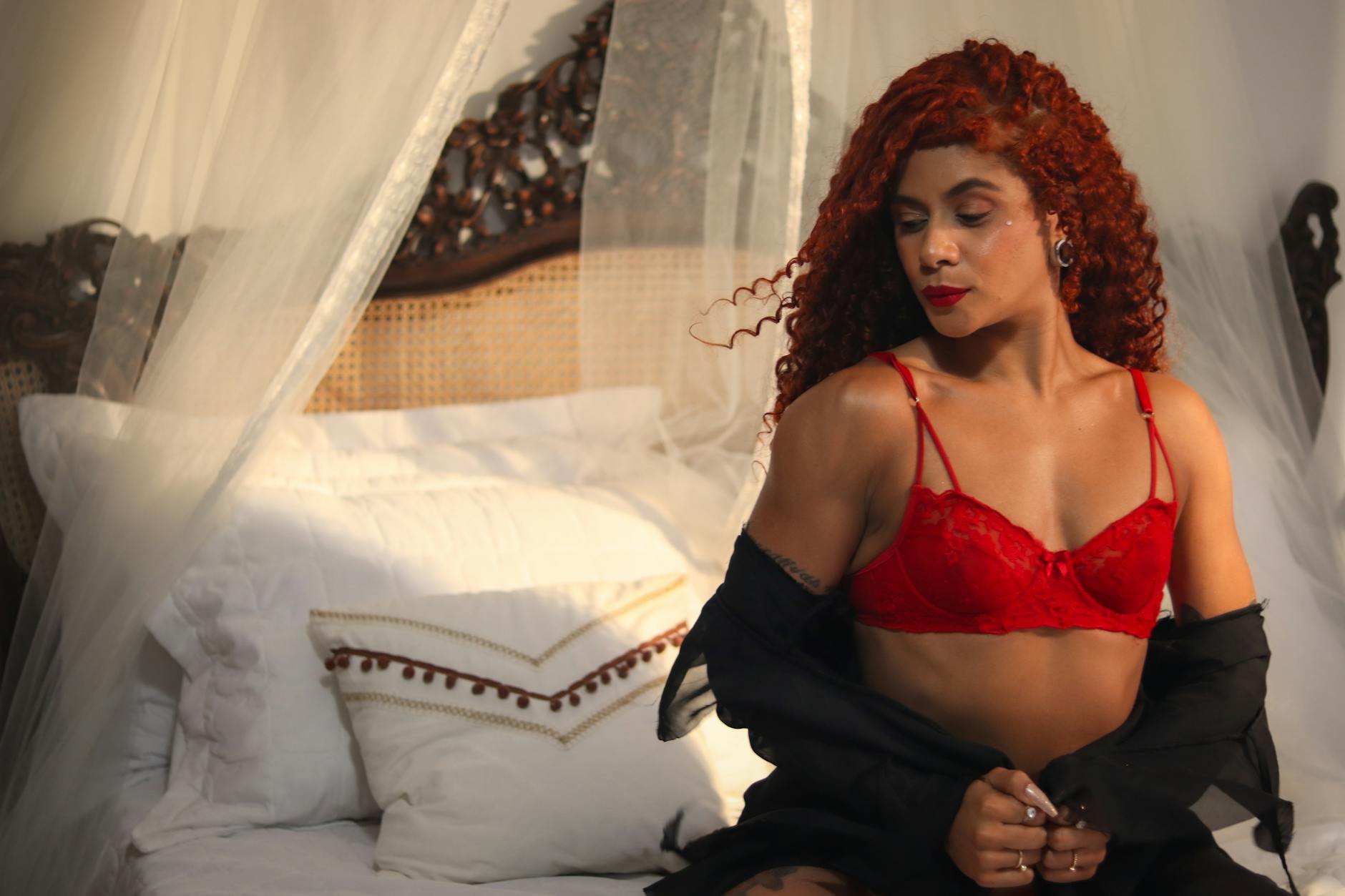
In most e-commerce categories, sending a promotional email with the wrong size range is mildly annoying to a customer. In lingerie, it’s a trust-breaking failure.
Imagine a customer who wears a 38DD opening an email from your brand promoting a “Valentine’s Collection” — and every model, every product shot, every featured style tops out at a D cup. The message, whether you intended it or not, is that she’s not who you’re designing for. She closes the email. She doesn’t come back.
Lingerie has the highest size sensitivity of any apparel category. Band sizes, cup sizes, waist measurements, hip measurements — the range of bodies your customers come in is enormous, and the frustration of being shown products that won’t fit, won’t flatter, or simply don’t come in your size is acute in this category in a way it isn’t in footwear or accessories.
Size-first email personalization solves this. By segmenting your list by customer size profile, sending size-relevant product recommendations, and building campaigns that feel designed for your customer’s actual body — not a generic body — you dramatically increase email engagement, trust, and conversion.
Why Generic Campaigns Kill Lingerie Conversion Rates
Let’s quantify the problem before building the solution.
When a lingerie brand sends a generic campaign to its full list — same hero image, same products, same CTA — the typical result is a conversation rate of 1–3%. Industry-standard, but not impressive.
When the same brand sends a size-segmented version of the same campaign — different hero images showing models in the featured size range, product grid filtered to show only available sizes, copy that speaks directly to fit for that size range — conversion rates routinely improve by 30–60%.
The mechanism is simple: customers who see products that come in their size, modeled on bodies closer to theirs, trust that the email is relevant to them. That trust translates directly to clicks and purchases.
The brands that have built size personalization into their email infrastructure — Savage X Fenty being the most prominent example, but dozens of smaller DTC lingerie brands too — consistently outperform those that haven’t, at every point in the funnel.
Collecting Size Data
The foundation of size-first email personalization is size data. You can’t segment by size if you don’t know what size your customers wear.
Data Sources for Size Segmentation
Purchase history: If a customer has bought from you before, you have their size on file. Every Klaviyo integration with Shopify, WooCommerce, or similar platforms captures order data including variant selections. Size can be extracted from order line items and stored as a profile property.
In Klaviyo, build a flow that updates a bra_size or underwear_size profile property automatically when an order is placed. Use Klaviyo’s custom metric processing or a Zapier/integration layer to extract size from variant names.
Welcome series quiz: A “find your fit” quiz in your welcome sequence is one of the most effective ways to collect size data while providing immediate value. Ask band size and cup size separately (to enable both band-based and cup-based segmentation later). Completion rates for fit quizzes in lingerie welcome sequences are typically 20–35% — far higher than generic survey completion rates.
Fit finder tool: If your site has a fit finder or bra size calculator, gate it behind an email capture or connect it to your Klaviyo profile enrichment so that quiz completions update customer profiles.
Size preference email prompt: For existing subscribers without size data, send a direct ask: “We want to send you emails that actually feature your size. Tell us yours in one click.” One-click size selection buttons in an email (linking to size-specific preference URLs) can achieve 15–25% response rates from engaged subscribers.
Building Size-First Segmentation in Klaviyo
With size data collected, build your core segmentation structure:
Suggested Size Segments for Bra Sizing
By band size:
- Small band (28–32)
- Medium band (34–36)
- Full band (38–40)
- Plus band (42+)
By cup size:
- A–C cup
- D–E cup
- F–H cup (extended cup)
- I+ cup (specialist sizing)
Combined segments for high-precision targeting:
- Standard sizing (32–36 band, A–D cup): typically your largest volume segment
- Full bust (34–38 band, E–H cup): significant volume, often underserved
- Extended sizing (38+ band or F+ cup): brand loyalty here is exceptional when served well
For underwear and bottoms, segment by:
- XS–S (sizes 6–10)
- M–L (sizes 12–16)
- XL–2X (sizes 18–22)
- 3X+ (sizes 24+)
Dynamic vs. Static Segments
Build these as dynamic segments in Klaviyo — they update automatically as new size data comes in. Don’t build them as static lists that require manual maintenance.
For customers with multiple size data points (bought different items in different sizing), use the most recent purchase as the primary size indicator, or build logic that resolves to the most frequently purchased size.
Personalized Fit Recommendation Emails
Beyond size-filtered campaigns, build a fit recommendation email sequence for new customers.
Post-First-Purchase Fit Recommendation Flow
Trigger: First purchase placed. Size variant data available.
Email 1 (Day 3): “Made for your size” recommendations
Subject: “Based on your [size], here’s what our customers love most”
Content:
- “Because you’re a [size], here are the styles that tend to fit best” framing
- 4–6 product recommendations filtered to their exact size
- Fit notes for each recommendation (how this style runs, where it provides the most support, etc.)
- Real customer reviews from customers in the same size range
This email requires product-level conditional content in Klaviyo — different product blocks rendered based on the customer’s stored size profile. The investment in setting this up pays back across every future campaign.
Email 2 (Day 14): The fit guide for her size
Subject: “The [size] fit guide: what to look for, what to avoid”
This educational email positions your brand as a genuine expert in fit for her specific size. Content:
- Which silhouettes work best for her size (with specific product examples)
- What to look for in construction for her band/cup combination
- Common fit issues in her size range and how your products address them
This type of content is extremely high-engagement for customers in extended sizes (F+ cup, 3X+) who have often experienced years of poorly fitting products and significant frustration with brands that don’t understand their fit needs.
Extended Size Campaign Strategy
Extended size customers — broadly defined as customers outside the 32–36B/C/D range in bras, or outside XS–L in underwear — represent a significant and underserved market segment. And critically: these customers are extraordinarily brand-loyal when a brand actually serves them well.
Building Extended Size-Specific Campaigns
Don’t just add extended sizes to your existing campaigns. An email that features 12 products, 2 of which come in extended sizes, while 10 products don’t — sends the message that extended sizes are an afterthought. Build dedicated campaigns for your extended size range.
Subject line approaches for extended size campaigns:
- “Finally: [style] in every size up to [size]”
- “New styles: built for full bust, available now”
- “[Brand name] extended sizing — here’s what’s new”
Avoid language like “curvy” or “plus size” unless your customers use and embrace those terms. Ask. Use language your extended-size customers use about themselves, not what feels right from the outside.
Campaign content principles for extended sizes:
- Feature only products available in the extended size range — no aspirational products that don’t come in their size
- Use models in the featured size range exclusively for extended size campaigns
- Include detailed fit notes (how this bra handles a fuller bust, how this brief works for fuller hips)
- Lead with the specific design features that make these products work at extended sizes, not generic “flattering” language
The “First to Know” Extended Size List
Build an opt-in segment specifically for customers who want to be the first to know when new products launch in extended sizes. This is particularly valuable if your extended size range is smaller than your standard range (which is common during brand growth).
Sending a “you’re on the first-to-know list for extended sizes” confirmation email — with an honest timeline for when new extended sizes are coming — builds goodwill and manages expectations. These customers will wait. They just need to know you’re coming.
Size-Aware Campaign Templates
Every campaign your brand sends should have a size-aware version. Here’s how to structure the email template:
Dynamic Content Blocks in Campaign Templates
Build campaign templates with the following structure:
-
Hero image block: Conditional rendering — different hero image depending on size segment. Extended size segments see models in extended sizes; standard size segments see standard size models.
-
Featured products block: Conditional rendering — only show products available in the customer’s size range. If a customer wears a 38FF and you feature a collection that only goes to E cup, that product should not appear in her email.
-
Fit note block: A single sentence that personalizes the email for her size. “This collection is available in all sizes from [X] to [X]. Here’s how [style name] fits our [customer’s size] customers.”
-
Social proof block: Pull reviews specifically from customers in the same size range where possible. A 38DD customer reading a review from another 38DD customer is dramatically more persuasive than a generic review.
Handling Size Transitions
Customers’ sizes change. Post-pregnancy, post-weight change, during different phases of menstrual cycle for those whose size fluctuates — the size a customer was two years ago may not be the size they are now.
Build a size update prompt into your email program:
Trigger: Customer hasn’t purchased in 6+ months (suggesting their needs or size may have changed)
Email: “It’s been a while. Has anything changed?”
Light, non-invasive, with a one-click size update option. This recovers lapsed customers by showing you’re paying attention, and updates your size data to improve future targeting.
Also trigger size update prompts after known size-change life events you can identify:
- A customer who recently purchased maternity lingerie (post-partum sizing change coming)
- A customer who was tagged as a new customer 6 months ago (enough time to confirm or update initial size data)
Subject Line Swipe File for Size-Personalized Campaigns
- “New arrivals in your size”
- “[X] new styles that come in [size range]”
- “Your size, your fit: the new [collection name]”
- “Built for [size range]. Just arrived.”
- “The styles our [size] customers can’t stop ordering”
- “Fit guide: finding your best style in [size]”
- “Your [size] fit quiz results: here’s what we recommend”
Measuring Size Personalization Performance
Track these metrics to validate your size personalization investment:
- Click-through rate: size-segmented campaigns vs. generic campaigns: Expect 25–50% improvement
- Conversion rate: size-personalized product recommendations vs. generic product blocks: Track separately in Klaviyo
- Return rate by size segment: Are customers in certain size ranges returning products at higher rates? This may indicate a fit issue, not a preference issue.
- Unsubscribe rate by size segment: Extended size customers who feel underserved will unsubscribe at higher rates — track as a sign of content relevance issues
The Trust Dividend
Size-first personalization isn’t just a conversion tactic — it’s a trust signal. When a customer opens your email and sees products in her size, modeled on bodies like hers, with fit notes written for her specific needs, she understands that you built this email for her. That recognition builds the kind of brand relationship that generates repeat purchases, word-of-mouth referrals, and genuine loyalty.
In a category where trust is everything — where customers are evaluating comfort, fit, and body confidence — being the brand that gets personalization right is a durable competitive advantage.
Ready to Build Size-First Email Personalization?
Building a size-segmented email architecture — from data collection to conditional content templates to extended size campaigns — requires significant upfront investment in Klaviyo setup and email design. The ongoing revenue and retention impact makes it one of the highest-ROI email projects a lingerie brand can undertake.
Get a free audit of your current email program and we’ll show you exactly how your size personalization compares to best-in-class lingerie email programs — and where to start.
Related Excelohunt Services
Looking to implement these strategies with expert support?
- Email Campaigns — learn how we implement this for clients
More in E-Commerce
- Email Marketing for UK Subscription Box Brands: Reducing Churn and Growing LTV
- Email Marketing for Australian Shopify Brands: The Complete Setup Checklist
- Email Marketing for UK Supplements & Nutrition Brands
- How Australian E-Commerce Brands Can Win Back Lapsed Customers With Email
- Email Marketing for Canadian Supplements & Nutrition Brands