7 Best Email Marketing Strategies for Luxury Brands (2026)
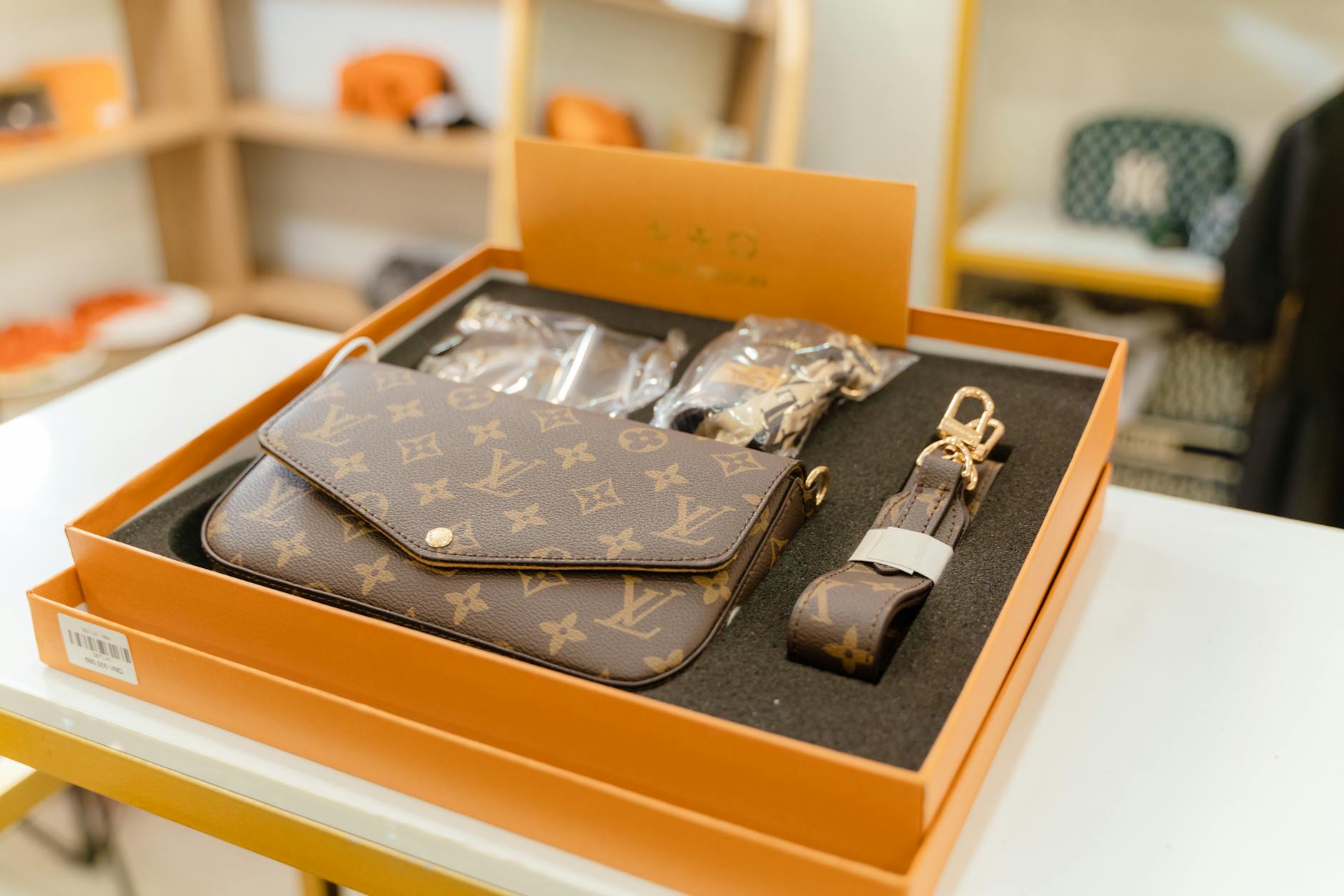
Luxury brands face a paradox in email marketing. The channel’s greatest strengths — high volume, mass personalisation, automated triggers — are in direct tension with what makes a luxury brand luxurious: scarcity, exclusivity, and the feeling that the brand chooses its customers as carefully as customers choose the brand.
The luxury brands that have cracked email marketing — Brunello Cucinelli, Net-a-Porter, Aesop, The Row’s editorial ecosystem — have done so not by abandoning the channel’s conventions but by reimagining what each convention looks like when executed at a luxury level.
This post covers how luxury and premium e-commerce brands can use email to drive real online revenue without compromising the brand positioning that makes their products worth the premium.
The short answer: the best email marketing strategies for luxury brands are low-frequency, high-impact sending (roughly four to six emails per month), invitation-only campaigns and VIP early access that create urgency through access rather than price, and restrained, editorial design and copy that never resorts to discounting. Done well, email marketing for luxury brands makes every send feel like correspondence worth anticipating — scarce, considered, and exclusive.
What Are the Best Email Marketing Strategies for Luxury Brands?
The seven strategies below summarise everything this guide covers in depth:
- Send less, more deliberately. Four to six emails per month — or fewer for ultra-premium positioning — so every send is anticipated rather than ignored.
- Replace discounts with invitations. The luxury equivalent of a flash sale is a private client event, an exclusive preview, or early access — scarcity of access, never of price.
- Adopt an assured, editorial tone of voice. Present rather than persuade: specific, brief, no exclamation marks, no urgency theatrics.
- Write subject lines that read like correspondence. “A quiet announcement” — not “LAST CHANCE — 48 hours only!”
- Build a genuinely earned VIP tier. Segment by lifetime spend, full-price purchase count, and engagement so “you have been selected” feels true.
- Give VIPs real early access. A defined 24–48 hour window before general release delivers enormous perceived value at zero tangible cost.
- Measure revenue per send, not volume. Judge the programme on revenue per email, average order value, and long-term subscriber value — not click-rate benchmarks built for promotional senders.
Each strategy is unpacked in the sections that follow.
The Luxury Email Paradox (And How to Resolve It)
The core tension is this: effective e-commerce email marketing typically involves frequent sends, promotional mechanics (discounts, flash sales, urgency), and conversion-optimised subject lines. Luxury brands cannot do any of those things without eroding brand equity.
A Louis Vuitton “FLASH SALE — 40% OFF EVERYTHING” email would destroy decades of positioning in a single send. And yet Louis Vuitton needs to communicate with its customers, drive online revenue, and stay relevant between purchase cycles that can last years.
The resolution is not to abandon email mechanics but to apply luxury standards to them:
- Frequency becomes selectivity. You do not send less because you are lazy — you send less because each communication is considered, intentional, and worthy of the subscriber’s attention.
- Promotions become invitations. The luxury equivalent of a “sale email” is a private client event, an early access opportunity, or an exclusive collection preview.
- Subject lines become correspondence. Rather than clickbait or urgency hooks, luxury subject lines read like the beginning of a conversation between people of similar taste.
Tone of Voice: The Foundation of Luxury Email
Before tactics, tone of voice. The single most important element that distinguishes luxury email from mass market email is how it sounds.
What Luxury Email Copy Sounds Like
Luxury email copy has distinct characteristics:
It is assured, not persuasive. Mass market copy persuades. Luxury copy presents. The difference: “You need to see these jackets” (persuasive) vs. “The autumn collection is ready.” (assured). The luxury brand does not beg for attention.
It is specific, not generic. “Crafted from our finest Italian cashmere, sourced from the same mills we have worked with for forty years.” Not: “Made with high-quality materials.”
It respects the reader’s intelligence. No exclamation marks. No ALL CAPS URGENCY. No fake countdown timers. The luxury customer is sophisticated and immediately recognises — and resents — manipulation.
It earns the right to be brief. Luxury copy can be short precisely because the brand has enough gravitas to not need explanation. A single sentence from an iconic brand carries more weight than three paragraphs from an unknown one.
It uses “you” sparingly and with intent. Luxury communications often address the reader obliquely — “for those who…” rather than “you will love…” The slight formality creates distinction.
Subject Line Philosophy for Luxury Email
Luxury subject lines should feel like correspondence from someone with impeccable taste, not a notification from a retail website.
Examples of luxury-appropriate subject lines:
- “The winter collection, arrived.”
- “An invitation: our private showing of the resort collection”
- “For our most discerning clients, a first look”
- “Something we think you should see”
- “Crafted for you: the bespoke service is now available online”
- “A quiet announcement”
Examples of what to avoid:
- “LAST CHANCE — 48 hours only!”
- “You won’t believe these prices”
- “We missed you!! Come back!”
- ”🔥 New arrivals just dropped”
- “[First name], your cart is waiting”
The luxury subject line test: would this look natural in the correspondence of someone with genuine taste and authority? If yes, use it. If it sounds like a promotional email, rewrite it.
Send Frequency: The Strategic Case for Less
Luxury email programmes should send significantly less frequently than standard e-commerce brands. Where a mass-market brand might send three to five emails per week, a luxury brand might send four to six emails per month — or even less for ultra-premium positioning.
Why Frequency Reduction Builds Brand Value
Scarcity creates value in luxury, and this applies to communications as much as products. A brand that emails every other day trains its subscribers to expect (and ignore) constant messages. A brand that emails once a fortnight trains its subscribers to open every message because “this is rare and probably worth reading.”
The subscriber who receives one monthly email from a luxury brand anticipates it. The subscriber who receives daily emails from a mid-market brand ignores them.
This is not about sending poorly or neglecting your list. It is about the luxury principle that what is rare is valuable.
What to Fill the Calendar With (When You Send Less)
With lower send frequency, each email must work harder. Luxury email programmes typically include:
- Collection launches — beautifully shot, editorially written
- Private client invitations — events, previews, bespoke service announcements
- Brand storytelling emails — heritage, craft, provenance
- One-to-one communications — personal notes from the founder or creative director
- Seasonal editorial — art, design, culture, travel content that places the brand in a world, not just a product category
Invitation-Only Campaigns: The Luxury Email Mechanic
The invitation-only campaign is the luxury equivalent of the flash sale. It drives urgency and exclusivity without promotional mechanics.
How Invitation-Only Campaigns Work
An invitation-only campaign restricts access to a collection, service, or event to a specific segment of your subscriber list. The scarcity is access, not price.
Subject line examples:
- “You have been invited — our private collection preview”
- “For selected clients: the new collection before it’s available to all”
- “A personal invitation from [Founder Name]”
The mechanics are simple: send the email only to your VIP segment (highest-value customers, longest tenure, most engaged). The email informs them that they have exclusive early access to something — a new collection, a collaboration, a bespoke service — before it is available to the general subscriber list or public.
The key is that the access must be genuine. If you claim the collection is available exclusively to invited clients for 48 hours and then release it to everyone the next day, you have broken the trust. Luxury is built on trust.
Building Your VIP Tier
Segment-based invitation campaigns require a clearly defined VIP tier. Criteria might include:
- Lifetime spend above a threshold (e.g., top 10% of customers by total spend)
- Number of purchases (three or more full-price purchases)
- Recency and engagement (purchased within the last 12 months AND opens every email)
- Account status (registered account vs guest checkout — registered accounts signal commitment)
Your VIP tier should feel earned. When subscribers receive an email that says “we have selected you for early access,” they should feel genuinely chosen, not mass-emailed. Once the tier exists, the next step is turning it into one-to-one relationships — our guide to luxury email clienteling covers how to do that.
VIP Early Access: A Framework for Premium Subscribers
Early access is one of the most effective luxury email mechanics because it costs the brand nothing tangible (you are simply moving the access timeline forward for a segment) while delivering enormous perceived value.
The Early Access Email Structure
Send timing: 24–48 hours before general release
Subject line examples:
- “Before everyone else — the [Collection Name] is yours”
- “Early access: 24 hours before the collection releases”
- “Yours to explore first”
The early access email should:
- Explicitly name the privilege (“As one of our private clients, you have access to the new collection before it releases publicly”)
- Show the collection in its full editorial splendour — do not hold back the best imagery for the general release
- Include a clearly defined window (“Your private access period ends [Date/Time]”)
- Not use discount language — the privilege is access, not price reduction
Post-Early Access Follow-Up
Once the general release happens, send a brief note to your VIP subscribers:
- Acknowledge that the collection is now publicly available
- Thank them for being among the first
- Offer a subtle note about what sold quickly or what has already been widely appreciated
This closing communication reinforces the exclusivity narrative: their early access was real, and others are now following where they led.
Low-Frequency, High-Impact Email Calendar
Here is what a luxury brand email calendar might look like across a quarter:
Month 1:
- Week 1: New season collection editorial email (to full list)
- Week 3: Private client event invitation (to VIP segment only)
Month 2:
- Week 1: Brand storytelling email — “Our Heritage in [Craft]” (to full list)
- Week 2: Early access to new arrival (to VIP segment, 48 hours before general)
- Week 4: General arrival announcement (to full list)
Month 3:
- Week 1: Founder’s letter — seasonal perspective and curation (to full list)
- Week 2: Bespoke or personalisation service spotlight (to VIP segment)
- Week 4: Quarterly editorial wrap (to full list)
That is nine sends in three months — three emails per month — with a mix of full-list and VIP-only communications. Each email is purposeful, considered, and high-quality. None of them feel like a promotional blast.
Measuring Luxury Email Success Differently
Luxury email programmes should be assessed on metrics that reflect the brand’s actual goals, not standard e-commerce email benchmarks.
What matters for luxury email:
- Revenue per email sent (not volume, but value generated per communication)
- Average order value from email (are email-influenced purchases at full price and appropriate ticket size?)
- Long-term subscriber value (are email subscribers worth more over 12–24 months?)
- Unsubscribe rate (the luxury brand’s unsubscribe rate should be very low — people who subscribe want to hear from you)
- Open rate (with lower send frequency, your open rates should be significantly above industry average — if they are not, your content quality needs to increase)
What to treat cautiously:
- Volume-based metrics — click rate on a low-volume, high-quality send means something different to click rate on a high-volume promotion campaign
- Promotional revenue attribution — resist the temptation to add urgency tactics to improve short-term conversion numbers at the cost of long-term brand equity
Luxury Email Marketing FAQ
How often should luxury brands send marketing emails?
Four to six emails per month is the right range for most luxury brands — even less for ultra-premium positioning. Where mass-market brands send three to five emails per week, luxury brands build anticipation by making each send rare enough to be worth opening.
Should luxury brands ever offer discounts in email?
No. Promotional mechanics — flash sales, urgency timers, percentage-off subject lines — erode the brand equity that justifies the premium. The luxury alternative is scarcity of access: invitation-only previews, private client events, and early access windows drive conversion without ever touching price.
How do you build a VIP tier for a luxury email programme?
Use criteria that make selection feel earned: lifetime spend above a threshold (for example, your top 10% of customers), three or more full-price purchases, recent purchase plus consistent engagement, or a registered account. The access you grant that tier must be genuine — releasing an “exclusive” collection to everyone a day later breaks the trust luxury is built on.
Which metrics matter most for luxury email marketing?
Revenue per email sent, average order value from email, long-term subscriber value, and a very low unsubscribe rate. With a low-frequency programme, open rates should sit well above industry average — if they do not, content quality is the problem, not send volume.
Luxury email marketing done correctly generates exceptional revenue while protecting — and even enhancing — brand positioning. It requires more craft and more restraint than standard e-commerce email, but the returns are proportionate.
If you want a team with experience in luxury and premium brand email strategy, request your free email audit at Excelohunt. We will review your current programme and show you how to raise the bar.
Related Excelohunt Services
Looking to implement these strategies with expert support?
- Email Campaigns — learn how we implement this for clients
More in E-Commerce
- Email Marketing for UK Subscription Box Brands: Reducing Churn and Growing LTV
- Email Marketing for Australian Shopify Brands: The Complete Setup Checklist
- Email Marketing for UK Supplements & Nutrition Brands
- How Australian E-Commerce Brands Can Win Back Lapsed Customers With Email
- Email Marketing for Canadian Supplements & Nutrition Brands