Storytelling and Heritage in Luxury Email Marketing: Why Your Brand's History Is Your Best Sales Tool
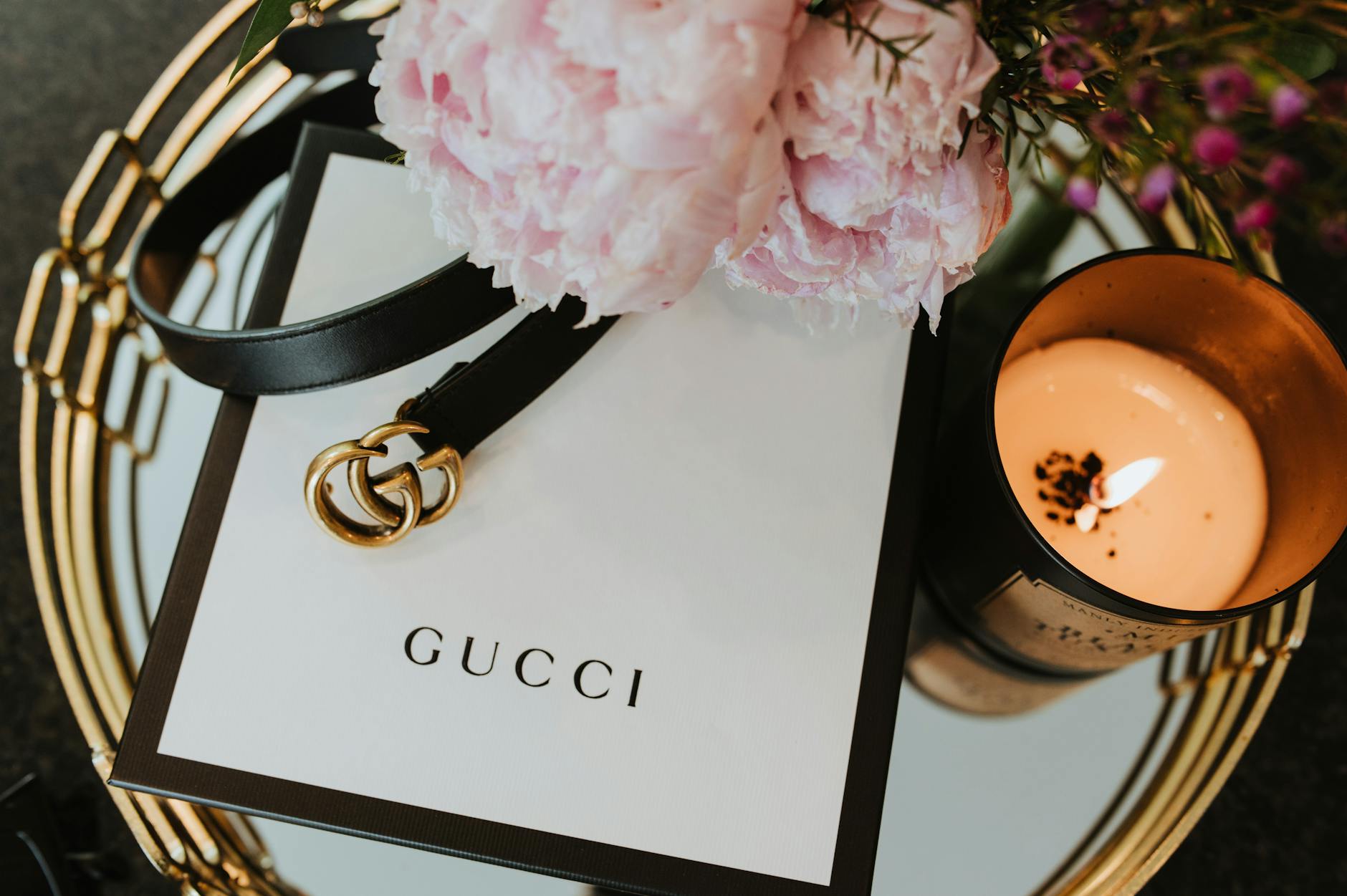
Every luxury brand has a story. Many of them are extraordinary — decades or centuries of craft mastery, founding visions that defined entire categories, workshops where techniques are passed down through generations of artisans.
Most of them are barely used in email marketing.
The typical luxury email programme leads with product imagery, price, and “shop now.” The brand’s heritage — its most powerful and unreplicable competitive advantage — is relegated to an “About” page that most customers never read.
This is a strategic mistake. In luxury, the story is not separate from the product. The story is why the product is worth what it costs. When a customer pays a premium for a handmade Italian bag or a watch assembled over forty hours by a single watchmaker, they are paying for the story as much as the object. Your email programme should be telling that story constantly.
Why Heritage Drives Luxury Revenue
The luxury price premium is fundamentally irrational by functional standards. A £3,000 cashmere coat keeps you warm in ways a £300 coat does not, but not ten times warmer. The additional £2,700 buys something else: the story, the craftsmanship signal, the belonging to a tradition of excellence.
When customers understand and feel the depth of your brand’s heritage, the price premium becomes rational in their own minds. They are not overpaying for a coat. They are investing in a century of artisan knowledge translated into a single garment made specifically for them.
Email storytelling is the mechanism that makes this value transfer happen. Without it, customers experience only the product. With it, they experience the entire world from which the product emerged.
The Brand Story Email Series
The brand story series is a multi-part email programme that gives subscribers a complete understanding of your brand’s heritage, values, and craft over time. Unlike a single “About Us” email, the series builds the narrative across weeks or months, treating subscribers as people who deserve a full and considered account of who you are.
Structuring a Brand Story Series
A five-part brand story series might be structured as:
Part 1: The Founding
What drove the founder to create the brand? What was missing in the world that your brand came to fill? What values were established from day one that are still present today?
Subject line examples:
- “The story that started it all — [Brand] from the beginning”
- “Why [Founder Name] walked away from [industry] to build something different”
- “1963. A workshop. A vision. The beginning of [Brand].”
Part 2: The Craft
Go deep on what makes your products different at a technical level. The specific artisan techniques used. The training required to master them. The number of hours invested in each piece. The materials and why they are superior.
Subject line examples:
- “Why our [Product] takes 47 hours to make”
- “The craft behind the product — a closer look at our atelier”
- “What ‘handmade’ actually means when we say it”
Part 3: The Materials
Where do your materials come from? Who sources them? What is the chain of custody from raw material to finished product? Heritage materials with extraordinary provenance are a rich storytelling subject.
Subject line examples:
- “Cashmere from goats that graze above 4,000 metres — why altitude matters”
- “The mill we have worked with since 1978 — and why we never left”
- “Leather, provenance, and why we care more than we should”
Part 4: The People
The artisans, makers, and craftspeople behind your products are among your most compelling brand assets. A 70-year-old cobbler who has been making your shoes by hand since 1985 is a story that no competitor can replicate.
Subject line examples:
- “Meet the man who makes every [Product Name] by hand”
- “30 years at the bench: a portrait of [Artisan Name]”
- “The hands behind your [Product] — a story worth knowing”
Part 5: The Legacy
Where is the brand going? What does the next generation of the craft look like? How is the brand protecting and passing on its traditions while evolving for a new context?
Subject line examples:
- “What we owe to the future — how [Brand] is thinking about the next 50 years”
- “The apprentice and the master — how craft survives in the modern world”
- “Our legacy and our responsibility”
Where to Place the Series
The brand story series can be deployed in multiple ways:
In the welcome flow — new subscribers receive the series as part of their onboarding sequence. This establishes brand depth from the first interaction and significantly improves long-term subscriber value.
As a standalone broadcast series — sent quarterly to your full list, the series re-engages subscribers who may have become less active and reminds existing customers of what they are part of.
Anchored to specific product launches — a new heritage collection launch is the ideal moment to re-release the founding story email.
Craftsmanship Content Emails
Craftsmanship content emails are standalone, deeply informative emails that focus on a specific technique, process, or material. They work as education but function as premium brand justification.
The Technique Deep-Dive
Format: 400–600 words focused on a single craft technique, with photography or illustration of the process.
Subject line examples:
- “The Goodyear Welt: why it matters and how to spot it”
- “Macclesfield silk — the lost art behind our pocket squares”
- “Why we still hand-stitch the lining when machines could do it faster”
These emails tell customers something specific and impressive that they can remember and share. A customer who now knows what a Goodyear welt construction is, and why it matters, will mention it to friends. They have become an educated advocate rather than a passive buyer.
The Making Of
A “making of” email follows a single product from raw material to finished piece. It is the email equivalent of a short documentary.
Structure:
- Where the primary material comes from and how it is selected
- The first stage of production — cutting, casting, or forming
- The key artisan skill stage — the technique that takes years to master
- Finishing and quality inspection
- Packaging — even the packaging can be a craft story
Subject line examples:
- “From wool to coat: 63 steps, 4 countries, one garment”
- “Inside the making of our [Signature Product]”
- “We filmed every step — the making of [Product Name]“
Heritage Collection Campaign
When a brand launches a heritage or archive collection — pieces inspired by archival designs, reissues of classic styles, or a seasonal collection that references the brand’s history — the email campaign has a significant storytelling opportunity.
The Heritage Collection Launch Structure
Email 1: The Archive Teaser (2 Weeks Before Launch)
Subject: “Something from the archive — a preview”
This email teases the upcoming collection by showing a single archival piece, sketch, or photograph from the brand’s history alongside a brief note that a new collection inspired by this period is coming. It creates anticipation while demonstrating historical depth.
Email 2: The Heritage Story (1 Week Before Launch)
Subject: “The story behind the collection”
This is your deepest storytelling email in the launch sequence. It covers:
- The specific period or chapter of brand history the collection references
- The original context — who designed the original pieces, what was happening in the world, what the brand was trying to achieve
- How current artisans and designers have interpreted that heritage for today
- The specific techniques or materials that connect the archive to the contemporary collection
Email 3: The Launch
Subject: “The heritage collection — it’s here”
Now you show the collection in full, with editorial photography that places the pieces in a context that references the historical period. The product descriptions reference the archival inspiration specifically.
Email 4: Individual Piece Stories (Ongoing)
Over the following weeks, send individual “the story behind this piece” emails for the hero products in the collection.
Subject: “The story of the [Product Name] — from 1972 to now”
Founder Story Email Flows
For brands where the founder is living and able to speak directly to subscribers, the founder email is one of the most powerful formats available in luxury email marketing.
The Founder’s Letter
A monthly or quarterly letter from the founder to subscribers creates a direct relationship between the person behind the brand and the people who buy from it.
Key characteristics:
- Written in first person, in a genuinely personal voice
- Covers what the founder is thinking about, working on, or inspired by — not just product launches
- Includes personal observations, references, inspirations outside the brand
- Ends with a reflection on the brand’s direction or values
Subject line examples:
- “A letter from [Founder Name]”
- “What we have been working on — a note from [Founder]”
- “From [Founder Name]: what this season means to me”
Founder letters generate the highest reply rates of any luxury email format. Subscribers write back. Some write substantial, thoughtful responses. These correspondences are the digital equivalent of the handwritten thank-you note that luxury brands have always valued.
The Founder’s Curation
A more product-forward founder email is the “founder’s curation” — the items from the current season that the founder personally loves, uses, or has been wearing.
Subject line examples:
- “[Founder Name]‘s picks from the autumn collection”
- “What I have been wearing this week — from [Founder Name]”
- “My favourite five pieces from the collection: [Founder Name]”
The founder curation email performs well because it translates the brand’s authority into specific product recommendations with personal credibility. It is not the brand saying “you should buy this.” It is a specific, named human saying “I love this.”
Measuring the Impact of Storytelling Emails
Storytelling and heritage emails operate on a longer timeline than promotional campaigns. The direct revenue attribution may be lower — a heritage content email that generates few immediate clicks can still meaningfully improve the lifetime value of everyone who reads it.
Metrics to track for storytelling emails:
- Open rate and read time (if available) — storytelling emails with strong content earn longer reading times
- Forward rate — heritage and craft content gets shared; a subscriber who forwards to a friend is a significant brand advocacy signal
- Reply rate — the ultimate engagement signal for luxury email
- Influence on lifetime value — do subscribers who engage heavily with storytelling content have higher 12-month and 24-month LTV?
Run segments comparing subscribers who engage with storytelling content vs those who do not. Brands that do this analysis almost universally find that storytelling-engaged subscribers are worth more over time.
The Strategic Position: Story as Defence
There is a final, strategic reason to invest heavily in brand storytelling emails. Your story is the one asset your competitors cannot copy.
A competitor can replicate your product design, match your price point, and imitate your marketing aesthetic. They cannot replicate 80 years of genuine craft tradition, the specific workshop where your artisans learned their skills, or the founding vision of someone who built something remarkable from nothing.
Email storytelling makes this competitive advantage visceral and present for your customers rather than theoretical and distant. It is not just about selling more — it is about building a brand that is genuinely difficult to displace.
Storytelling and heritage email content is one of the highest-return investments a luxury brand can make in its email programme — but it requires genuine craft to execute well.
If you want help building a brand story email series or heritage campaign for your luxury brand, request your free email audit at Excelohunt. We will show you how to put your brand’s history to work.
More in E-Commerce
- Email Marketing for UK Subscription Box Brands: Reducing Churn and Growing LTV
- Email Marketing for Australian Shopify Brands: The Complete Setup Checklist
- Email Marketing for UK Supplements & Nutrition Brands
- How Australian E-Commerce Brands Can Win Back Lapsed Customers With Email
- Email Marketing for Canadian Supplements & Nutrition Brands
Want Us to Implement This for Your Brand?
Get a free email audit and see exactly where you're losing revenue.
Get Your Free Audit