Men's Grooming Gift Marketing: Capturing the Partner, Parent, and Friend Who Buys for Him
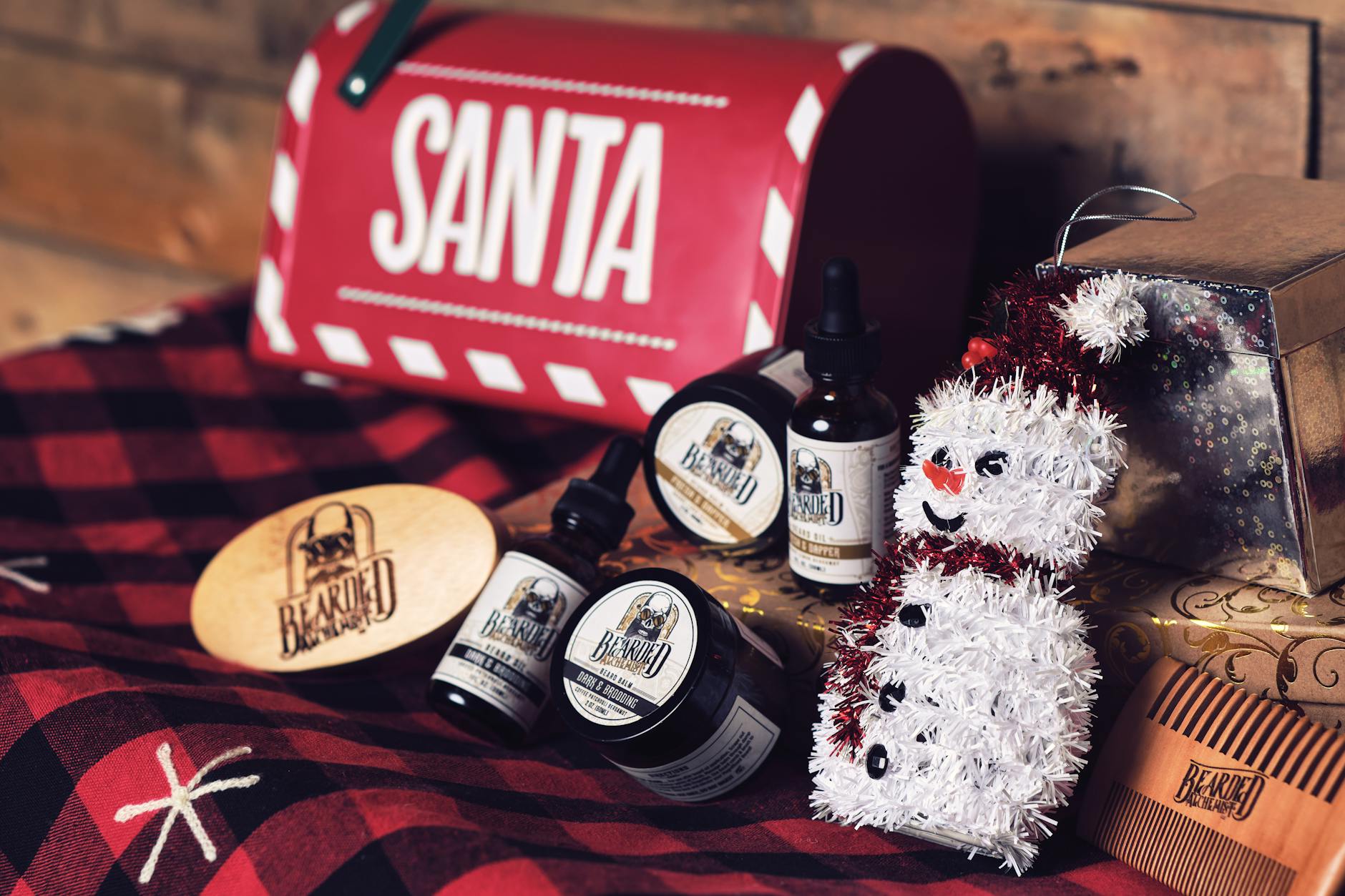
There’s a significant blind spot in how most men’s grooming brands build their email programs: they market almost exclusively to the man who will use the product, and largely ignore the person who will actually buy it.
Consumer data in the grooming category tells a different story. A substantial portion of men’s grooming purchases — estimates from industry research range widely, but many brands report 30–50% of their gift occasions — are made by women: partners, mothers, sisters, and friends buying for the men in their lives. Around key gifting moments (Father’s Day, Christmas, Valentine’s Day, birthdays), that proportion climbs even higher.
These gift buyers are a distinct audience with distinct motivations, distinct concerns, and distinct email behavior. They’re not shopping for themselves. They’re shopping for someone else’s approval. They don’t know what products he already uses. They’re worried about getting it wrong.
A men’s grooming brand that builds email strategy specifically for this audience — with gift-focused segmentation, occasion-based flows, and content designed for the buyer rather than the user — unlocks a revenue stream that most competitors ignore entirely.
Identifying Gift Buyers in Your Email List
Before you can market to gift buyers, you need to know who they are. Several signals help identify them:
Behavioral signals in Klaviyo
- Gifting page visits: Create a dedicated “/gift” or “/gift-sets” page and track visitors as a segment
- Gift wrap selection at checkout: If you offer gift wrap or a gift note option, tag these buyers automatically
- “Gift note” text in order notes: A simple Klaviyo flow can tag anyone who adds a gift note at checkout
- Browsing patterns: Gift buyers tend to browse product pages more broadly (multiple products, multiple price points) vs. direct buyers who often navigate straight to a specific product
Demographic and seasonal signals
- Orders placed in October–December at elevated frequency (holiday gifting period)
- Orders placed in March–April (Mother’s Day, but also for gifts from parents/partners)
- Orders spiking in the week before Father’s Day
Post-purchase survey
Your day-1 or day-7 post-purchase email can include a single qualifying question: “Was this purchase for yourself or as a gift?” This single data point enables entirely different segmentation and follow-up logic for each group.
Gift Buyer Audience Segmentation
Once you can identify gift buyers, segment them into three primary groups, each with different email needs:
Segment 1: Partners (Spouses, Girlfriends, Wives)
- Most invested in the recipient’s approval
- Most likely to be repeat purchasers if the gift lands well
- Most concerned about “getting it right”
- Email tone: warm, consultative, “we’ll help you pick the right thing”
Segment 2: Parents (Especially Mothers Buying for Sons)
- Often purchasing for older teens or young adult men
- Less familiar with the product category
- Price-conscious but willing to spend on quality for a special occasion
- Email tone: educational, value-focused, reassuring about ease of use
Segment 3: Friends and Colleagues (Birthday, Groomsmen, Holiday)
- Driven by social appropriateness and presentation
- Interested in sets and bundles that feel substantial
- Shortest consideration cycle (often purchasing close to the occasion)
- Email tone: confident, curated, “this is the impressive choice”
Each segment responds differently to the same email content. A partner shopping for a Valentine’s Day gift wants something romantic and personalized; a mother buying a birthday gift wants something that says “thoughtful and practical”; a friend buying for a colleague wants something that looks expensive without being awkward.
Gift Set Campaign Strategy
The most effective way to capture gift buyers via email is to build campaigns specifically around gift sets — not your standard product catalog with a bow metaphorically on top, but curated sets designed for specific occasions and gift-buyer contexts.
Creating Campaigns That Speak to the Buyer, Not the User
Most grooming brands write gift set emails in product language: “Our Complete Beard Care Kit includes premium beard wash, conditioning oil, and styling balm.” That’s user language. The buyer doesn’t care about those specifics — she cares about the result: “Will he actually use this and love it?”
Reframe your gift set emails around outcome for the recipient and ease for the buyer:
Wrong approach:
“Our Gentleman’s Starter Kit: 100ml beard wash, 30ml conditioning oil, medium-hold styling balm, and a fine-tooth comb.”
Right approach:
“The kit that upgrades his morning routine in under 3 minutes. Everything he needs, nothing he’ll leave in the drawer.”
Gift Set Email Structure
Subject line approaches for gift buyers:
- “He’ll actually use this one. Promise.”
- “The gift for the guy who says he doesn’t need anything”
- “Trusted by 4,000+ partners who needed to buy the perfect thing”
- “[Occasion] gifts for him: curated by people who know what men actually use”
Email body structure:
- Problem acknowledgment: Shopping for a man’s grooming products when you’re not sure what he uses is genuinely hard. Acknowledge it.
- Social proof: Other buyers in the same situation chose this and here’s what happened (“He asked me to order it again for his birthday”)
- Product explanation in benefit language: For each item in the set, one sentence on what it does for him (not what it contains)
- Gift presentation: How will it arrive? Branded packaging, gift note option, no-price receipt — these details matter enormously to gift buyers
- CTA with occasion urgency: “Order by [date] for [occasion] delivery”
Gifting Occasion Flows
Build automated flows triggered by proximity to key gifting occasions. Here’s the calendar and flow architecture:
Father’s Day Flow (May–June)
Email 1 — 3 weeks before Father’s Day
Subject: “Father’s Day is [X] weeks away. Don’t leave it to Amazon.”
Audience: Your full female-segment list (if identified) + anyone who visited gifting pages in the last 30 days.
Email 2 — 10 days before
Subject: “The grooming gifts dads actually ask to keep”
Feature customer stories from previous Father’s Day buyers: partners and children sharing what happened when they gave a grooming gift that landed.
Email 3 — 5 days before
Subject: “[X] days to Father’s Day. Last-chance for standard shipping.”
Urgency + shipping deadline. Simple email, clear CTA.
Email 4 — 2 days before
Subject: “Cutting it close. Expedited shipping still available.”
Short, direct, conversion-focused. Offer expedited shipping option.
Christmas / Holiday Flow (November–December)
The holiday grooming gift flow should run from early November to December 22, with increased send frequency in the final two weeks.
Key emails in the sequence:
- “Start his holiday gift early. Here’s why grooming sets sell out.” (Early November)
- “The grooming gift guide for every type of guy” (Mid-November — segmented by relationship type if data allows)
- “Last day for standard shipping” (December 18–19)
- “Digital gift card: delivered instantly” (December 23 — last-minute buyer salvation)
Valentine’s Day Flow (Late January–February 14)
Valentine’s grooming gifts are underused in the category. The framing opportunity: grooming products are an intimate, thoughtful gift that also shows you want him to look and feel good.
Key email in this flow:
Subject: “A Valentine’s gift that keeps working for months after the 14th”
Position grooming products as practical love — you care about his confidence and wellbeing, not just a one-day gesture. This framing resonates with partners more than generic “pamper him” language.
Birthday Flow (Year-Round, Triggered by Data)
If you collect or can infer birthday data from quiz completions or customer profiles, birthday flows are among the highest-converting gift occasion emails you can run.
Trigger: 3 weeks before a known recipient birthday (if gift buyer has indicated they’re buying for someone)
Subject: “His birthday is coming. We made it easy.”
Post-Gift-Purchase Follow-Up: Converting Gift Recipients
When someone receives a product as a gift and loves it, they’re an extremely high-intent future customer. Most brands miss this entirely.
Build a gift recipient follow-up flow:
- Triggered by a gift note at checkout
- Sent to the recipient’s email (if provided in gift note) or to the buyer’s email with instructions to forward
- Subject: “Did he love it? Here’s how to get more.”
This email:
- Thanks the recipient for being the kind of person someone wanted to give this to
- Explains what they received and how to use it
- Provides a “reorder when you run out” link with a first-time-as-a-direct-customer discount
- Introduces the rest of the product range
Converting gift recipients into direct customers is one of the highest-LTV acquisition opportunities in the category. The acquisition cost is essentially zero — the gift buyer already paid it.
Email Content for the Gift Buyer Relationship
Beyond occasion-specific campaigns, the gift buyer relationship benefits from ongoing nurture. Build a separate gift buyer welcome and nurture sequence:
Welcome email: Acknowledge that they bought as a gift. Offer a “gift hub” resource: what the products are, how he should use them, and what to expect.
Post-gift check-in (Day 14): “Did he love the [Product]?” One-click survey. Responses feed your testimonial library and your repurchase triggers.
30-day email: “It’s been a month. If he’s running low, here’s how to reorder easily.”
Occasion awareness email (monthly for high-frequency gifters): A light-touch email that surfaces upcoming occasions (birthdays, holidays) and suggests timely gifts. This is only appropriate for your most engaged gift buyers — the ones who’ve purchased for multiple occasions.
Measuring Gift Buyer Email Performance
Standard email metrics apply, but add these gift-specific metrics to your dashboard:
- Gift buyer conversion rate by occasion: Which gifting flows (Father’s Day vs. Valentine’s vs. Christmas) drive the highest conversion?
- Average order value: gift buyers vs. direct buyers: Gift buyers typically spend more, especially on sets and bundles
- Gift recipient retention rate: What percentage of gift recipients become direct buyers within 90 days?
- Repeat gift buyer rate: How many gift buyers purchase for multiple occasions?
The Competitive Opportunity
Most men’s grooming brands have zero email infrastructure for gift buyers. Their promotional emails go out to their full list, their campaigns use product-first language, and their post-purchase flows assume the buyer is the user.
Building a dedicated gift buyer strategy — even just the occasion flows and a gift-specific welcome sequence — puts you ahead of the vast majority of competitors in the category. And because gift buyers tend to have higher average order values and strong intent to repurchase for multiple occasions, the LTV of a well-retained gift buyer is exceptional.
Ready to Build Your Gift Marketing System?
Building segmented gift-buyer flows, occasion-based campaigns, and gift recipient nurture sequences requires careful audience strategy and Klaviyo architecture. It’s the kind of program that looks straightforward but has dozens of moving pieces that need to work together.
Get a free audit of your email program and we’ll show you how much gifting revenue your current setup is missing — and exactly how to capture it.
More in E-Commerce
- Email Marketing for UK Subscription Box Brands: Reducing Churn and Growing LTV
- Email Marketing for Australian Shopify Brands: The Complete Setup Checklist
- Email Marketing for UK Supplements & Nutrition Brands
- How Australian E-Commerce Brands Can Win Back Lapsed Customers With Email
- Email Marketing for Canadian Supplements & Nutrition Brands