How Outdoor Brands Build Loyal Communities Through Email: Beyond Product Sells to Shared Adventures
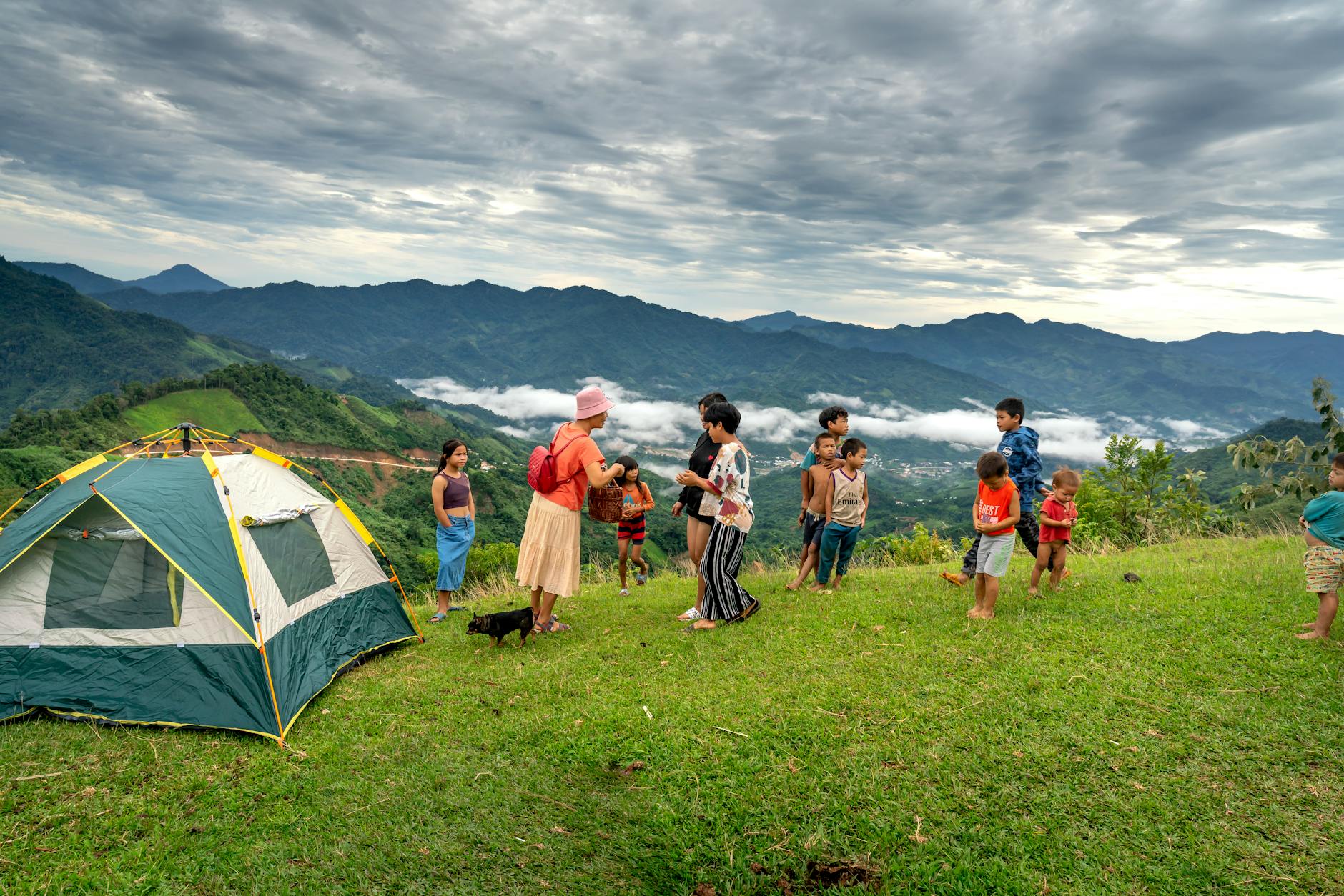
The outdoor brands that win long-term are not just selling gear. They are selling membership in a community of people who live for adventure. REI did not build a cult following by sending 20% off emails. Patagonia did not earn fanatical loyalty through promotional campaigns alone.
The brands that outdoor enthusiasts love, defend, and recommend are the ones that speak to who their customers are, not just what they want to buy.
Email is one of the most powerful — and underused — tools for building that kind of community. Not because email is a broadcast channel, but because in the right hands, it feels like a letter from a friend who shares your obsession.
This post covers how outdoor brands can use adventure story emails, trip report content, customer adventure spotlights, and ambassador email programs to build a community of genuinely loyal customers.
The Mindset Shift: From Promotions to Dispatches
The first step in building community through email is a mindset shift. Stop thinking of your email list as a promotions channel. Start thinking of it as a publication — a regular dispatch to a community of people who share a passion.
This does not mean abandoning product emails. It means understanding that product emails land better when they are part of a richer relationship. A subscriber who has been reading your adventure dispatches for six months trusts your gear recommendations far more than someone who only hears from you when you have a sale.
The goal is to become the brand whose emails people actually look forward to opening.
Adventure Story Emails: The Core Community Format
The adventure story email is the cornerstone of community building for outdoor brands. It does one job: make the reader feel something about the outdoors.
What Makes a Great Adventure Story Email
The best adventure story emails share three characteristics:
They are specific. Not “a hiker on a mountain trail” but “Sarah, a nurse from Portland, attempting her first solo 3-day section of the PCT.” Specificity creates empathy and narrative tension.
They are honest. The best outdoor stories include moments of doubt, discomfort, or failure. The rainstorm that didn’t let up. The blister that threatened the whole trip. The summit that was lost to cloud. Adversity makes the achievement meaningful.
They end with a feeling, not a CTA. The strongest adventure story emails do not push for a click. They end with a moment of inspiration or connection that makes the reader want to go outside. The product mention — if there is one — is woven into the narrative, not bolted on at the end.
Finding Your Stories
Where do adventure stories come from?
- Your own team — if your team are genuine outdoor enthusiasts, their trips are content gold. A founder’s solo ridge walk. A team camping trip that went sideways. Real stories from real people inside your brand build enormous credibility.
- Customer submissions — invite your community to share trip reports. A simple “Share Your Adventure” section in your emails, with a link to a submission form, generates a steady stream of authentic content.
- Ambassador partnerships — structured relationships with outdoor adventurers who commit to sharing their trips with your audience
- Commissioned writing — hire outdoor writers to cover trips or experiences in your brand voice
Story Email Subject Lines
Adventure story emails should have subject lines that open a narrative question rather than promise a product benefit:
- “She turned back 200m from the summit. Then she went back.”
- “The night we camped above the clouds (and what we brought)”
- “3 days, 60 miles, one very honest trip report”
- “What the mountains taught me about patience”
- “He retired at 62 and hiked 1,200 miles. Here’s what he packed.”
These subject lines earn an open not through discount or urgency but through genuine curiosity and the promise of a good story.
Trip Report Content: Educational Community Emails
The trip report is a distinct format from the adventure story. Where the story focuses on emotion and narrative, the trip report is practical, specific, and useful for readers planning similar adventures.
The Trip Report Email Format
A well-structured trip report email typically includes:
- Route overview — distance, elevation gain, difficulty rating, trail name and location
- Conditions encountered — weather, trail surface, water availability
- Gear that performed — honest callouts of what worked and why
- Gear that failed or fell short — the honest section that builds the most trust
- Tips for others attempting the same route
- Photography — ideally from the actual trip
Subject line examples:
- “Trip report: 3 days on the John Muir Trail — what we learned”
- “We tested our new [Jacket Name] in 3 days of Scottish rain — full report”
- “Olympic Peninsula loop: everything you need to know before you go”
The trip report format works because it positions your brand as a genuine authority on outdoor experiences, not just a retailer of outdoor products. When a reader uses your trip report to plan their own adventure, the gear mentioned in that report becomes the obvious choice.
Gear-Integrated Trip Reports
The subtle art of the trip report email is integrating product mentions without feeling like advertorial. The key is that gear mentions must be earned through genuine performance.
“The [Boot Name] handled 14 miles of technical scrambling without a single blister complaint from either of us” is a credible, useful product reference. “The [Boot Name] was amazing, you should buy it” is not. The difference is specificity and authenticity.
When readers trust that your gear mentions come from genuine field experience — not marketing copy — they become your most effective product recommendations.
Customer Adventure Spotlight: Amplifying Your Community’s Stories
The customer adventure spotlight is a powerful community-building format because it turns your customers into the heroes of your brand story. It says: the people who use our gear are remarkable. By extension, you are remarkable for using it.
Setting Up the Customer Spotlight Program
To run an effective customer spotlight email program, you need a submission mechanism. Options include:
- A dedicated email address ([email protected]) where customers can submit trip reports and photos
- A form on your website with fields for trip details, gear used, and photo upload
- A hashtag on social media that you monitor and mine for spotlight candidates
- A follow-up email sent 30 days post-purchase asking customers to share where their gear has taken them
The Customer Spotlight Email Format
Subject line examples:
- “Customer spotlight: how [Name] completed her first alpine route”
- “This week’s adventure: [Customer Name]‘s Patagonia W-Trek”
- “From [City] to [Destination]: one customer’s incredible journey”
The spotlight email should feel like a magazine feature, not a testimonial. Include:
- A first-person narrative from the customer (lightly edited for flow)
- Photos from their adventure
- Brief callout of what gear they used
- A link to shop the gear they mentioned
The customer featured in the spotlight will share the email with their network. Their friends will see your brand through the lens of genuine adventure. It is community building and acquisition working simultaneously.
Spotlight Selection Strategy
Choose customers whose stories represent the full range of your audience:
- Beginners who completed their first big adventure — relatable and inspiring for the majority of your list
- Expert adventurers attempting extreme objectives — aspirational for your most engaged subscribers
- Unconventional adventurers — solo female hikers, older adventurers, adventurers with disabilities — representation matters and resonates deeply
Ambassador Email Programs: Building Your Inner Circle
An ambassador email program is a structured relationship between your brand and a group of outdoor enthusiasts who represent your brand authentically to their communities.
What Makes an Outdoor Brand Ambassador Program Work in Email
Most ambassador programs focus heavily on social media and neglect email entirely. This is a missed opportunity. Ambassadors who contribute to your email program extend the community-building effect to your most engaged subscribers.
Ambassador email contributions can include:
- Monthly trip report from one featured ambassador
- Ambassador gear recommendation sections within product emails
- “Ambassador Q&A” format emails where subscribers ask questions
- Behind-the-scenes “ambassador life” emails showing the reality of living adventurously
The Ambassador Welcome Email to Your List
When you add a new ambassador to your program, introduce them to your email list properly. This is not a press release. It is an introduction from your brand to your community.
Subject line examples:
- “Meet [Name]: climber, conservationist, and our newest ambassador”
- “She’s summited [Peak] three times. We’re very glad she’s on our team.”
- “New to our ambassador team: introducing [Name]”
Make the introduction feel like the first chapter of a story your subscribers will follow. Include their background, their adventures, their values, and what they are planning to do with your gear next.
Consistency and Cadence: The Community Email Schedule
Community-building emails only work if they show up consistently. An adventure story once and then nothing for four months does not build community. It builds inconsistent, forgettable content.
Recommended cadence for outdoor brand community emails:
- Weekly or fortnightly: Adventure story OR trip report — alternating formats
- Monthly: Customer spotlight feature
- Quarterly: Ambassador roundup or ambassador spotlight
- Seasonal: Community challenges (summer photography contest, winter peak-bagging challenge)
This does not mean you send community content exclusively. Product emails, seasonal campaigns, and promotions have their place. The ratio might be: one community/content email for every one to two product/promotional emails. The community emails make the product emails more effective by building the relationship between them.
Measuring Community Email Success
Community emails have different success metrics than promotional emails. Open rate and click rate still matter, but look also at:
- Reply rate — are people responding to your adventure story emails? Replies to community emails are the strongest signal of genuine engagement
- Long-term subscriber retention — do subscribers who engage with community content stay on your list longer?
- Revenue per subscriber over time — does an engaged community member spend more over 12 months than a subscriber who only receives promotional emails?
- Social sharing — are community emails being forwarded or shared?
The ROI of community emails is often harder to directly attribute than a promotional campaign, but the brands that invest in it consistently see higher lifetime customer value and stronger referral rates. The community becomes the marketing.
Building an email program that goes beyond promotions to create genuine community takes expertise in both content strategy and email execution. If you want help building this for your outdoor brand, request your free audit at Excelohunt and let’s talk about what your email program could become.
More in E-Commerce
- Email Marketing for UK Subscription Box Brands: Reducing Churn and Growing LTV
- Email Marketing for Australian Shopify Brands: The Complete Setup Checklist
- Email Marketing for UK Supplements & Nutrition Brands
- How Australian E-Commerce Brands Can Win Back Lapsed Customers With Email
- Email Marketing for Canadian Supplements & Nutrition Brands
Want Us to Implement This for Your Brand?
Get a free email audit and see exactly where you're losing revenue.
Get Your Free Audit