Essential SMS Flows for E-Commerce: The Automations That Drive ROI
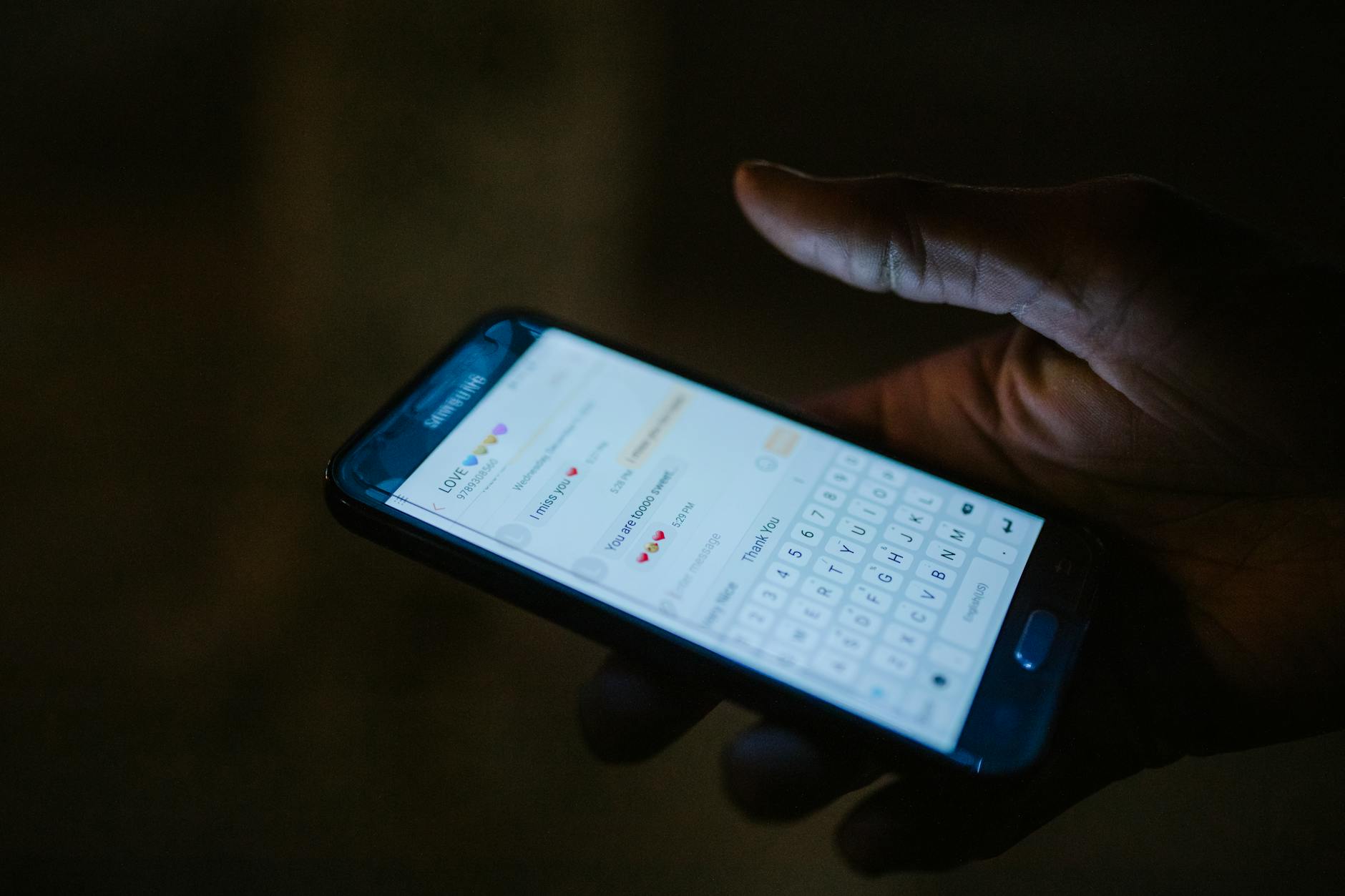
SMS marketing’s edge over email is not open rate. The open rate comparison — SMS around 98% vs email around 35% — is cited so often it has become almost meaningless. What actually matters is what happens after that open: does the message drive a purchase?
The reason SMS flows outperform email on click-through rate is not the channel itself — it is the context. SMS messages are read immediately, in a personal device environment, with a sense of directness that email simply does not replicate. When that immediacy is matched to the right moment — an abandoned cart sitting idle, a product just restocked, an order just shipped — the conversion impact is significant.
SMS flow ROI is not driven by volume. It is driven by timing precision and message relevance. A brand with four well-built SMS flows will consistently outperform one with fifteen poorly timed or poorly written texts.
Why SMS Flows Outperform SMS Campaigns
Before building the flows, it is worth understanding why automated SMS (flows) delivers a fundamentally better return than broadcast SMS (campaigns).
Campaigns go to a large audience with a message that may or may not be relevant to any individual recipient at the moment they receive it. A promotional text sent to your full SMS list on a Tuesday afternoon will find some recipients mid-purchase journey and many who are nowhere near a purchase decision.
Flows are triggered by a specific action or event — a cart abandonment, a purchase, a back-in-stock notification. The relevance is inherently higher because the message is sent in direct response to something the subscriber just did. Higher relevance means higher click rates, which is why well-built SMS flows consistently outperform even well-written campaigns on revenue per recipient.
The 6 Essential SMS Flows
1. Welcome with Discount
The welcome SMS is sent immediately after a new subscriber joins your SMS list. Its job is to deliver on the promise made at signup (typically a discount or incentive) and set up the relationship for future messages.
Keep welcome SMS messages short and action-oriented. The subscriber just opted in — they are at peak intent. Get them to the offer immediately.
Example copy:
“Hi [First Name], welcome to [Brand]! Here’s your 10% off: [CODE]. Shop now → [link] Reply STOP to unsubscribe.”
Timing: Send within 5 minutes of opt-in. Do not wait. The drop-off in conversion rate from a delayed welcome is steep.
If your welcome flow includes both email and SMS, coordinate the timing so the SMS does not arrive within minutes of the email sending the same offer. A common configuration is SMS sent immediately and email sent after a 1-hour delay (or vice versa).
2. Abandoned Cart with Urgency
Abandoned cart is the highest-revenue SMS flow for most e-commerce brands. Unlike email, which competes with a full inbox, an SMS abandoned cart message cuts through immediately and with a sense of personal directness that often prompts action.
The most effective SMS abandoned cart messages do three things: remind the subscriber what they left behind (ideally naming the product), create mild urgency without manufactured scarcity, and make the path back to checkout frictionless with a direct link.
Example copy:
“You left [Product Name] in your cart, [First Name]. Grab yours before it sells out → [link] Reply STOP to unsubscribe.”
Timing: 1-2 hours after cart abandonment is the sweet spot. Earlier can feel intrusive. Much later (same day evening or next morning) still works as a second touchpoint but the first message is most valuable.
For a multi-message cart flow, the second SMS (if needed) should come 24 hours after the first and can introduce a small incentive if the first message did not convert.
3. Post-Purchase Shipping Update
Not all SMS flows should be promotional. A shipping update SMS — sent when an order is dispatched and when it is out for delivery — is both genuinely useful for the customer and a powerful branded touchpoint that builds trust and reduces customer service contacts.
Dispatch example:
“Great news, [First Name]! Your [Brand] order is on its way. Track it here → [link]“
Out for delivery example:
“Your [Brand] order arrives today, [First Name]. Keep an eye out → [link]”
These messages require no promotional content to be effective. Customers want them, appreciate them, and associate them with a positive brand experience. They also set up the post-purchase review request that follows.
4. Post-Purchase Review Request
Sent 7-14 days after delivery (depending on your product category and typical usage time), the review request SMS is one of the highest-converting ways to generate product reviews. The channel’s immediacy drives response rates significantly above email review request flows.
The timing should account for how long it realistically takes to use and evaluate the product. A consumable sent next day with a 7-day review request after delivery makes sense. A complex product that requires setup and time to evaluate warrants a longer post-delivery window.
Example copy:
“How are you loving your [Product Name], [First Name]? Share your thoughts → [review link] (Takes 2 mins)”
Keep the review request SMS friction-free. Direct link to the review platform. Short request. No lengthy explanation needed.
5. Back-in-Stock Alert
Back-in-stock SMS flows are among the highest-converting automations in e-commerce, because you are reaching a subscriber who has already expressed explicit purchase intent by joining a back-in-stock notification list.
These messages should be sent immediately when the product becomes available (or within a very short delay — stock can deplete quickly) and should create genuine urgency without being dishonest about stock levels.
Example copy:
“It’s back! [Product Name] is now in stock, [First Name]. Grab yours before it sells out again → [link]”
The conversion rate on back-in-stock SMS is consistently high across categories. If you have a popular product that sells out regularly, a back-in-stock SMS flow should be a priority build.
6. Win-Back Offer
For customers who have not purchased in 90-180 days (depending on your category’s typical purchase cycle), a win-back SMS can be highly effective. The directness of the channel makes it particularly useful for reaching customers who may have stopped opening your emails but still have their phone with them.
Win-back SMS works best when it feels genuinely personal and offers something that acknowledges the time since their last purchase.
Example copy:
“We miss you, [First Name]. Here’s 15% off your next order — just for you → [CODE] Shop → [link] Reply STOP to opt out.”
SMS Copy Principles
Every SMS your brand sends should follow a short set of principles that distinguish effective commercial SMS from the spam that damages brand perception and drives opt-outs.
Stay under 160 characters where possible. Messages over 160 characters become concatenated (split into multiple parts), which can affect delivery and the experience on older devices. Keep messages tight. Every word should earn its place.
Lead with the value, not the brand. Your subscriber knows the message is from you — it shows in the sender field. Do not waste the first line on “Hey, it’s [Brand]!” Lead with the product, the offer, or the update.
One clear CTA. Do not give subscribers multiple options. One action, one link.
Always include opt-out language. “Reply STOP to unsubscribe” or a variation must be present, particularly in initial messages to new subscribers.
Timing Best Practices
SMS is a personal, immediate channel. Respect the context of when you are interrupting your subscriber’s day.
Avoid sending SMS messages before 9:00 AM or after 8:00 PM in the recipient’s local time zone. Morning sends before 9:00 AM can feel intrusive and are associated with higher opt-out rates. Evening sends after 8:00 PM — particularly to mobiles that are used as alarm clocks — disrupt sleep routines and damage brand perception.
The highest-performing windows for promotional SMS are typically mid-morning (10:00-11:00 AM) and early afternoon (1:00-3:00 PM) on weekdays, and mid-morning on weekends. Your specific audience may show different patterns — use your platform’s analytics to identify when your subscribers are most responsive.
Coordinating SMS Flows With Email Flows
The most common mistake in launching SMS flows is building them independently from your existing email flows without considering the combined message frequency any individual customer may receive.
A subscriber who is in your abandoned cart email sequence and your abandoned cart SMS flow simultaneously may receive five to six messages in 48 hours about a single cart abandonment. That is too much frequency, and it will drive opt-outs from both channels.
Build cross-channel suppression logic into your flows. If a contact converts on email, they should be suppressed from the SMS flow for the same trigger event (and vice versa). Set a minimum interval between email and SMS sends for the same customer — even if the triggers are different — to avoid frequency fatigue.
Building SMS flows that drive real ROI requires the right copy, the right timing, and the right integration with your email programme. Excelohunt designs and builds SMS automation systems for e-commerce brands that are sequenced, compliant, and connected to the full customer journey.
Related Excelohunt Services
Looking to implement these strategies with expert support?
- SMS Marketing — learn how we implement this for clients
- Email Automations — learn how we implement this for clients Book a free strategy call with Excelohunt →
More in E-Commerce
- Email Marketing for UK Subscription Box Brands: Reducing Churn and Growing LTV
- Email Marketing for Australian Shopify Brands: The Complete Setup Checklist
- Email Marketing for UK Supplements & Nutrition Brands
- How Australian E-Commerce Brands Can Win Back Lapsed Customers With Email
- Email Marketing for Canadian Supplements & Nutrition Brands
Want Us to Implement This for Your Brand?
Get a free email audit and see exactly where you're losing revenue.
Get Your Free Audit