Event-Based Email Marketing for Sports Brands: From Race Registration to Post-Event Replay
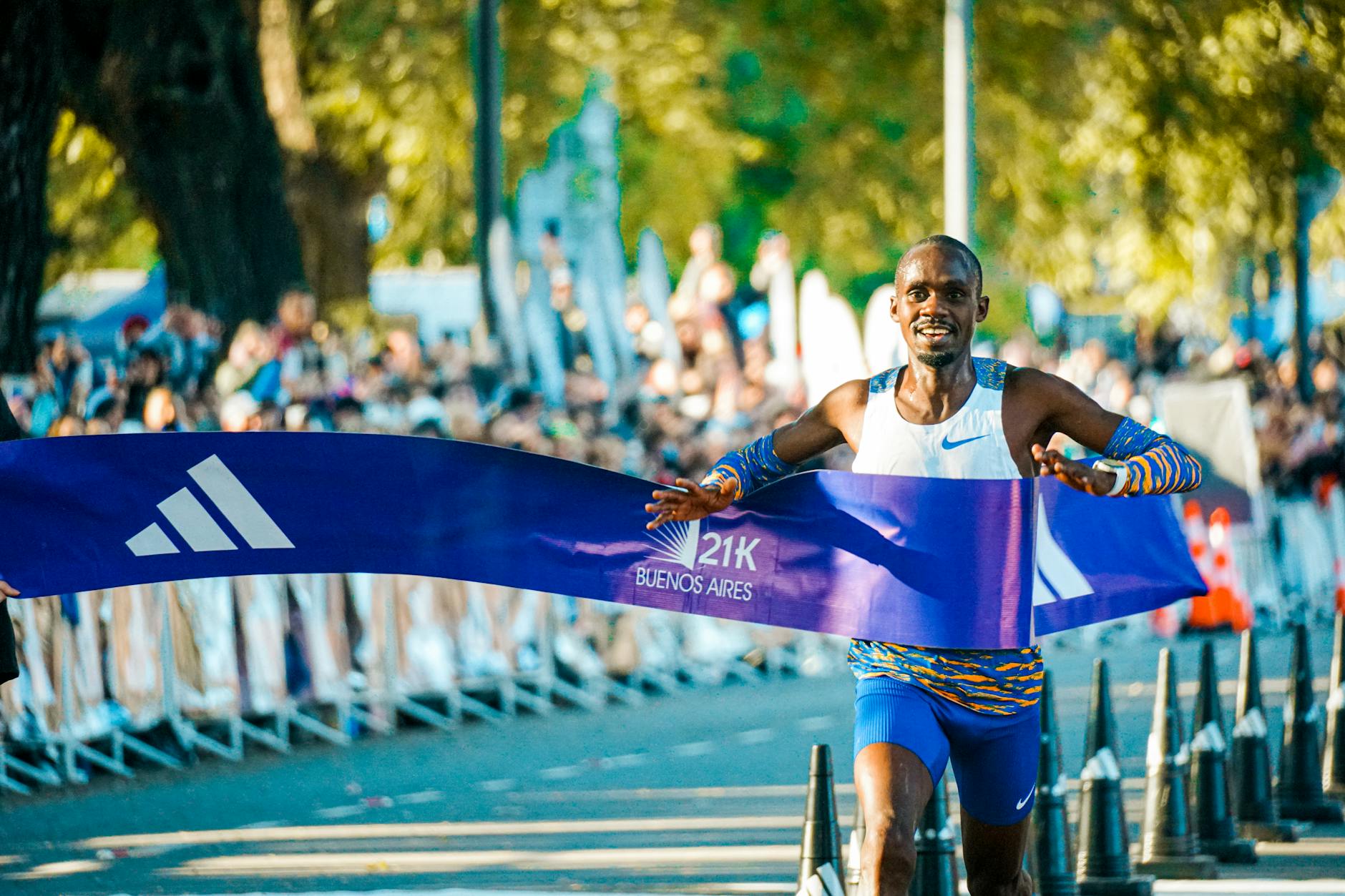
Sporting events—races, tournaments, fitness challenges, and outdoor adventures—are one of the most powerful conversion contexts available to sports brands. Participants have made a commitment. They’re emotionally invested. They have a specific date on the calendar and a specific performance goal in mind. And they almost certainly need gear, apparel, fuel, or accessories to prepare.
The brands that capture this moment do it through event-triggered email sequences: highly relevant, timed communications that meet participants where they are in the event preparation journey. This is not batch-and-blast email marketing. It’s a carefully engineered conversation that starts when registration opens and continues long after the event ends.
Why Event-Based Email Performs Above Average
Event participants are a uniquely qualified audience. Unlike a generic fitness consumer browsing the internet, an event registrant has:
- A committed date that creates natural urgency
- A clearly defined performance context (race day, tournament day, summit day)
- A known gear need set tied to the event type and distance
- An emotional investment in performing well
These four factors combine to create purchase intent that’s significantly higher than average. Email open rates for event-specific communications typically run 35–55%—well above the standard 20–25% industry benchmark. Click-through rates are similarly elevated when the content is specific and relevant to the participant’s event.
The key is specificity. A generic “gear up for summer” email sent to a triathlete who just registered for a 70.3 performs far below an email that says “Your 70.3 is 12 weeks away. Here’s your gear preparation timeline.”
Phase 1: Post-Registration Email (Within 24 Hours of Sign-Up)
The highest-engagement email in any event sequence is the one that arrives within hours of registration. This is when excitement is at its peak, the commitment is fresh, and the participant is thinking “okay, what do I need to get ready?”
If your brand has a partnership with an event organizer, or if participants are registering directly on your platform, this trigger is natural. If you’re a gear or nutrition brand without direct event data, your post-registration sequence begins when a customer indicates event intent through a purchase (racing shoes, a hydration vest, a tri-suit) or through a preference survey.
Registration Confirmation + Gear Checklist Email
Subject line: “Registered for [Event Name]? Here’s your 12-week gear prep checklist”
Content:
- Congratulations framing: “Committing to a [race/event/challenge] is a big deal. Here’s everything you need to prepare well.”
- A downloadable or in-email gear checklist organized by category: must-haves, nice-to-haves, and tested-before-race-day items
- One featured product recommendation relevant to the event type
- CTA: “Start your gear prep — [product category link]”
This email positions your brand as a preparation resource, not just a retailer. Participants who receive this kind of useful, specific communication are more likely to trust your product recommendations throughout the sequence.
Phase 2: Pre-Event Build-Up Sequence (Weeks 2–10)
The extended pre-event window is your opportunity to build purchase relationships over time, rather than one transactional blast. Space emails 7–14 days apart. Alternate between gear recommendations, training content, event-specific advice, and social community content.
Email 2: The Hero Gear Recommendation (Week 2–3)
Subject line: “For your [event type]: the gear decision that will matter most on race day”
Pick one hero product that matters most for the specific event type. For a marathon: running shoes or race-day nutrition. For a triathlon: the wetsuit or aero helmet. For a mountain bike event: tires or dropper post.
Go deep on one thing rather than shallow on five. Explain why this specific product matters for this specific event, what to look for in evaluating it, and why your recommendation stands out.
This email is equal parts editorial and commercial. It reads like advice from a knowledgeable friend, not a product listing.
Email 3: The Training Partner Email (Week 3–4)
Subject line: “8 weeks to [event] — your training checklist”
A practical training preparation email that ties gear usage to training milestones: “This is the week to start running in your race-day shoes for the first time. Here’s how to break them in without blistering.”
Weaving product guidance into training advice is the most natural form of gear recommendation. It doesn’t feel like a sales push—it feels like coaching.
Email 4: Nutrition and Recovery Email (Week 5–6)
Subject line: “What you eat matters as much as what you wear — [event] nutrition guide”
If your brand sells nutrition, fuel, or recovery products, this email is your conversion window. Event preparation naturally surfaces nutrition planning, and participants who are committed to performing well are highly receptive to evidence-based fuel recommendations.
If you don’t sell nutrition directly, use this email for recovery gear: compression, foam rollers, or sleep accessories. Frame everything through the event prep lens.
Email 5: Event Week Checklist and Final Gear (Week Before Event)
Subject line: “[Event] is one week away — your race-week prep list”
Event week is peak emotional intensity for participants. An email that acknowledges this moment and delivers a practical pre-event checklist creates strong goodwill. Include:
- What to do 7 days before, 3 days before, and 1 day before
- A gear bag checklist
- Any last-minute needs: race day nutrition, a spare pair of goggles, anti-chafe
- Your support contact if they have a last-minute gear emergency
Subject line alternative: “One week out: everything you need to show up ready”
Phase 3: Day-Before and Race-Day Emails
These emails are brief, high-energy, and personal. They’re less about purchasing and more about connection.
Day-Before Email
Subject line: “Tomorrow is race day. You’re ready.”
Short message of encouragement. Remind them of key preparation points (sleep, hydration, transition setup if applicable). Include one emergency CTA: “If you need anything tonight, we’re available at [support channel].”
No product push. Pure brand goodwill. This email generates disproportionately high open rates and strong positive brand sentiment.
Race-Day Social Proof Prompt
Subject line: “Race day is here — tag us in your photos”
A short, celebratory email on the morning of the event. Ask them to tag your brand in their finish line photos. Offer a small incentive: “Share your race photo with #[BrandHashtag] and get 15% off your next order.”
User-generated content from events is some of the highest-converting social proof in sports retail. A systematic race-day prompt email builds a library of authentic content.
Phase 4: Post-Event Follow-Up Sequence
The post-event window is frequently ignored by sports brands, despite being one of the most commercially significant moments in the participant relationship. A finisher who just completed a meaningful event is in a peak positive emotional state. They’re proud, energized, and mentally reviewing their experience.
Email 1: Post-Event Congratulations (Day After)
Subject line: “You did it. How did it go?”
Content:
- Genuine congratulations with acknowledgment of the challenge
- An invitation to share their experience: “Tell us about your race” (link to a quick survey or reply prompt)
- Social share CTA: “Post your finish photo — we’ll feature the best ones”
- A soft next-step prompt: “Ready for what’s next? [link to next event calendar or category page]”
This email should feel personal, not promotional. No discount codes. No product push. Just genuine celebration that builds emotional brand connection.
Email 2: Recovery and Reflection Email (Days 3–5)
Subject line: “The race is over — here’s how to recover the right way”
Recovery content is genuinely useful in the days after an event and naturally links to products. A guide to post-race recovery (nutrition, sleep, stretching, compression) with relevant product links performs well because the content relevance is obvious and immediate.
Subject line alternative: “How your body recovers in the 72 hours after [event type]“
Email 3: Gear Debrief and Next Event Upsell (Days 7–14)
Subject line: “How did your gear perform? Here’s what other [event] finishers upgraded next”
This email bridges the reflection period with future planning. Ask a simple question: “What gear exceeded your expectations? What would you change for next time?” Then introduce the natural next steps:
- An upgrade product for a gear category they may have struggled with
- A next event they should consider: “If you finished a 10K, a half marathon might be your next challenge”
- Registration incentive or early-bird discount for a future event you’re sponsoring or associated with
This email has strong conversion rates because it meets the participant at their natural transition point: the race is done and they’re already thinking about what’s next.
Email 4: Next Event Upsell (Days 21–30)
Subject line: “What’s your next [challenge/race/event], [First Name]?”
Direct question, personal feel, forward-looking. Introduce your next event offering, next season’s signature race, or a product bundle designed for “training for what comes next.”
Participants who complete one event and don’t sign up for another within 30 days are significantly more likely to disengage from the sport entirely. Your email sequence can be the nudge that keeps them in the cycle—and keeps them buying gear.
Event Partnership Email Strategies
If your brand sponsors or has official partnerships with events, the email opportunities multiply.
Exclusive Participant Offers
Negotiate with event organizers for access to the participant email list (or co-branded email sends). Participants who receive an email that says “As an official gear partner of [Event Name], we’re offering all registered participants [discount code]” convert at significantly higher rates than cold outreach.
Expo and On-Course Brand Presence Integration
If you have an expo booth or on-course aid station presence, trigger a follow-up email to everyone who visited using QR code sign-up or tablet capture at the booth. Subject: “Great to meet you at [Event] — here’s the deal we mentioned.”
In-person touchpoints combined with email follow-up produce some of the highest conversion rates in sports marketing because they bridge the physical brand experience with the purchase path.
Measuring Event Email Performance
Track these event sequence-specific KPIs:
- Pre-event open rate: Should be 35–55% for registered participants; lower numbers indicate poor list segmentation or irrelevant content
- Gear recommendation click-through rate by email position: Which email in the sequence generates the highest click rate? This tells you when purchase intent peaks in the event timeline
- Post-event purchase rate: What percentage of event participants make a purchase in the 30 days after the event? Brands with strong post-event sequences consistently see 15–25% purchase rates
- Next-event registration rate: The clearest measure of long-term participant relationship quality
Event-based email marketing is one of the few contexts in sports retail where you know exactly who your customer is, what they’re trying to do, and when they need to do it. That specificity is a gift—and the brands that treat it as such, building sequences around the event lifecycle rather than generic seasonal blasts, build the kind of customer relationships that compound year over year.
Related Excelohunt Services
Looking to implement these strategies with expert support?
- Email Automations — learn how we implement this for clients Get a free audit of your event email marketing program →
Whether you run one major event relationship or ten, a systematic event email sequence is one of the highest-ROI investments a sports brand can make. Let’s look at what your current program is—and what it could be.
More in Strategy
- Best Email Marketing Agencies for Small DTC Brands ($40k+/mo)
- Best Email & SMS Marketing Agencies for Ecommerce (2026)
- Chronos Agency Alternatives for $40k–$500k/mo DTC Brands
- Chronos Agency Pricing Explained: Is the $10k Minimum Worth It?
- Chronos Agency vs InboxArmy: Which Is Better for DTC Email?