Bundle and Upsell Email Strategies for Supplement Brands That Actually Convert
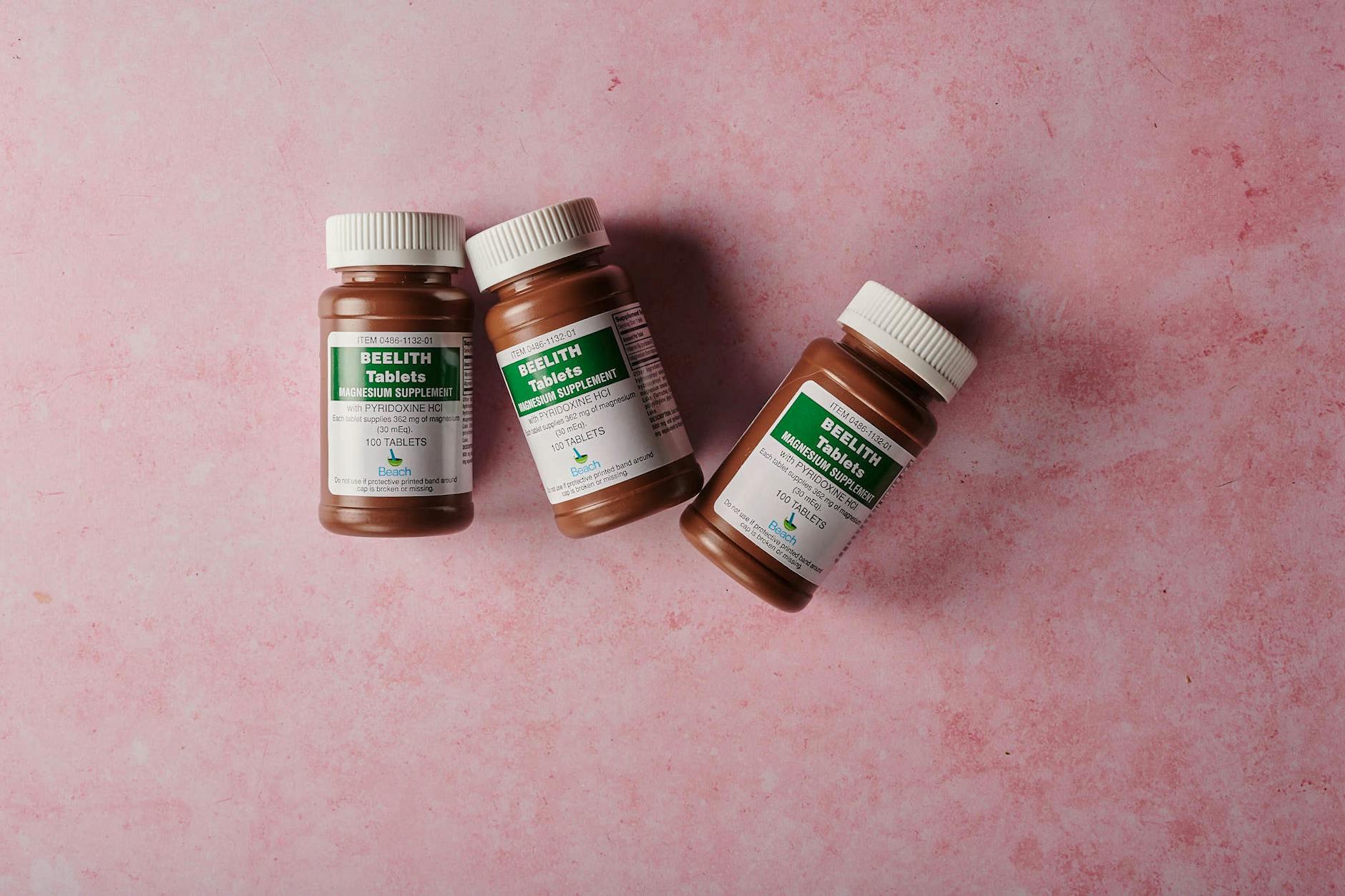
Here’s a number that should bother you: if the average supplement customer buys a single SKU and never adds a second product, you’re leaving most of your potential revenue on the table.
The economics of e-commerce are clear — acquiring a new customer costs five to seven times more than selling more to an existing one. For supplement brands specifically, the opportunity is enormous because your products are designed to work together. A customer taking your magnesium would genuinely benefit from your zinc. Someone on your pre-workout could transform their results with your recovery formula.
The problem isn’t customer interest — it’s that most brands never make a compelling, systematic case for adding more to the routine.
Email is where that case gets made. Here’s how to do it.
Why Single-SKU Buyers Are Your Biggest Opportunity
When someone buys only one supplement from you, they’re not showing you their ceiling — they’re showing you where they started. The question is whether your email program moves them forward.
Most supplement brands have an upsell problem disguised as a product problem. Customers say “I don’t need anything else” — but what they really mean is “no one has shown me why I do.”
Your job is to close the education gap. Not with pushy sales tactics, but with genuinely helpful, personalised recommendations that feel like a logical next step.
The “Routine Builder” Email Framework
The most effective upsell approach in the supplement space isn’t a flash sale or a “add this to your cart” pop-up. It’s the Routine Builder — a sequence that gradually expands what the customer sees as their optimal daily stack.
Phase 1: Establish authority on the single product (Day 1–21 post-purchase)
Before you pitch anything else, make sure the customer is getting results from what they already bought. Use the first three weeks to:
- Send usage tips and optimisation advice
- Build credibility through ingredient education
- Collect engagement data (who’s opening, clicking, replying)
Don’t upsell too early. A customer who isn’t yet sold on product one is not ready for product two.
Phase 2: Introduce the “stack” concept (Day 22–30)
Subject: “The combo our nutritionists recommend most”
Now introduce the idea that your products are designed to work together. This isn’t about pushing a sale — it’s about education.
“Most people start with [Product A]. After 3-4 weeks, they start asking us what else they can add to get more out of their routine. The most common recommendation? Pairing it with [Product B]. Here’s why the combination works better than either alone…”
Explain the synergy. Show the science (at a digestible level). Don’t lead with a discount — lead with the rationale.
Phase 3: Make the offer (Day 31–35)
Subject: “Your stack, at a better price”
Now that you’ve made the case, present a bundle offer. Make the pricing clear and the savings tangible:
“Add [Product B] to your subscription and pay £X/month instead of £Y. That’s £Z saved every cycle — and a routine that actually works the way it should.”
Include a bold, simple CTA. One product recommendation, one offer, one click.
Cross-Sell Flows: “What Goes Well With X”
Beyond post-purchase upsell sequences, you need a cross-sell flow triggered by what someone bought, not just that they bought something.
Map your product relationships:
| If they bought… | Cross-sell with… | Angle |
|---|---|---|
| Protein powder | Creatine | Recovery + strength gains |
| Magnesium | Zinc + B6 | Sleep and immune stack |
| Pre-workout | Electrolytes | Hydration and crash prevention |
| Collagen | Vitamin C | Absorption and skin synergy |
| Omega-3 | CoQ10 | Cardiovascular and energy stack |
| Probiotics | Digestive enzymes | Gut health stack |
For each relationship, build a dedicated cross-sell email. The structure:
- Open with the customer’s goal (not your product)
- Explain the gap your current product leaves
- Introduce the solution as a natural complement
- Offer the bundle at a slight discount to reward loyalty
- Include social proof from customers using the stack
Subject line ideas for cross-sell emails:
- “What most [Product] users add next (and why)”
- “You’re missing one piece”
- “The reason your [Product] isn’t hitting its full potential”
- “We matched your routine — here’s what we’d add”
- “Customers who bought [X] also use this. Here’s why.”
Bundle Campaign Strategies
Beyond automated flows, run quarterly bundle campaigns around key themes:
The “Goal Stack” Campaign
Build bundles around specific customer goals rather than individual products:
- The Sleep Stack (magnesium glycinate + ashwagandha + L-theanine)
- The Performance Stack (creatine + pre-workout + electrolytes)
- The Foundation Stack (multivitamin + omega-3 + probiotic)
- The Gut Health Stack (probiotic + digestive enzymes + prebiotic fibre)
Email sequence for a Goal Stack campaign:
- Email 1: Education — “Why a single supplement can only take you so far”
- Email 2: Introduce the stack — “The [Goal] Stack: what’s in it and why each piece matters”
- Email 3: Offer — “Get the [Goal] Stack at 20% off — this week only”
- Email 4: Last chance + social proof — customer results using the stack
The “Starter to Pro” Upgrade Campaign
This works brilliantly for customers who’ve been buying your entry-level product for 60+ days. The premise: they’ve proven they’re consistent, so now it’s time to level up.
Subject: “You’ve graduated from beginner. Your supplements should too.”
Frame the upgrade as recognition of their commitment, not a sales pitch. A customer who’s been taking your entry-level protein for three months is a perfect candidate for your premium formula — and they’re far more likely to convert than a cold prospect.
The “Build Your Month” Bundle Email
Once a month, send a curated “build your routine” email that lets customers add individual products to a personalised bundle with a graduated discount:
- Add 1 product: 10% off
- Add 2 products: 15% off
- Add 3 products: 20% off
This creates a “collector” incentive without requiring them to buy a fixed bundle they may not want.
Segmentation for Smarter Upsells
Generic upsell emails underperform because they’re not relevant. Segment your upsell campaigns by:
By product purchased: Different cross-sells for each SKU (as mapped above)
By engagement level: Highly engaged email readers get early access to new bundles. Low-engagement readers get the simpler, benefit-led cross-sell.
By order history: First-time buyers get the Routine Builder sequence. Repeat buyers (2+ purchases) get the Pro Stack upgrade sequence.
By subscription status: Subscribers get loyalty-priced bundles. One-time buyers get bundles framed around the convenience and savings of subscribing.
By goal data: If you collected health goals at signup, use them. Customers who listed “better sleep” should receive sleep-stack upsells before energy-stack upsells.
The Bundle Email Design Principles
Your upsell emails need to look as compelling as they read:
- Show the products together. A flat-lay image of the bundled products is more compelling than a single product shot.
- Use a comparison table to show bundle price vs. individual prices. Make the savings unavoidable.
- Show the “routine in action” — a morning stack laid out next to a coffee cup, products on a bedside table. Context sells.
- Include a progress bar or checklist — “You have the foundation. Add these two products to complete your stack.”
Metrics That Tell You It’s Working
Track these to measure your upsell and bundle email performance:
- Multi-SKU order rate — what percentage of orders include more than one product?
- Cross-sell email conversion rate — what percentage of cross-sell email recipients make a second purchase within 14 days?
- Average order value (AOV) by email segment — subscribers who receive bundle campaigns vs. those who don’t
- Bundle attachment rate — out of customers who receive a bundle offer email, how many purchase the bundle vs. buying nothing?
A well-built upsell email program typically increases AOV by 20-40% for supplement brands within the first 90 days.
Practical Example: A 5-Email Upsell Sequence for a Protein Brand
Let’s say someone buys your whey protein for the first time.
- Day 0: Order confirmation + how to use it for best results
- Day 7: “The #1 thing protein users add to maximise gains” — introduce creatine, explain the synergy
- Day 14: “Your two-week check-in — and a question” — ask about results, include a soft creatine mention in the PS
- Day 21: “The Performance Bundle: protein + creatine + shaker — £49 (saving £18)” — direct bundle offer
- Day 28: “Last chance: Performance Bundle offer ends tomorrow” — urgency close
This sequence is educational, helpful, and converts because it earns the sale rather than asking for it immediately.
Unlock the Full Revenue Potential of Every Customer You’ve Already Won
If your supplement brand has a catalogue of complementary products but most customers are still buying single SKUs, your email program isn’t doing its job.
At Excelohunt, we design done-for-you upsell and bundle email strategies that systematically grow your AOV and LTV without requiring a single new customer.
Claim your free email audit at /free-audit — we’ll review your current flows and show you exactly which bundle and cross-sell sequences would make the biggest impact on your bottom line.
Your best growth lever is sitting in your existing customer list. Let’s activate it.
Related Excelohunt Services
Looking to implement these strategies with expert support?
- Email Automations — learn how we implement this for clients
More in Strategy
- Best Email Marketing Agencies for Small DTC Brands ($40k+/mo)
- Best Email & SMS Marketing Agencies for Ecommerce (2026)
- Chronos Agency Alternatives for $40k–$500k/mo DTC Brands
- Chronos Agency Pricing Explained: Is the $10k Minimum Worth It?
- Chronos Agency vs InboxArmy: Which Is Better for DTC Email?