Automotive Email Marketing: Service Reminder and Maintenance Campaigns That Drive Workshop Revenue
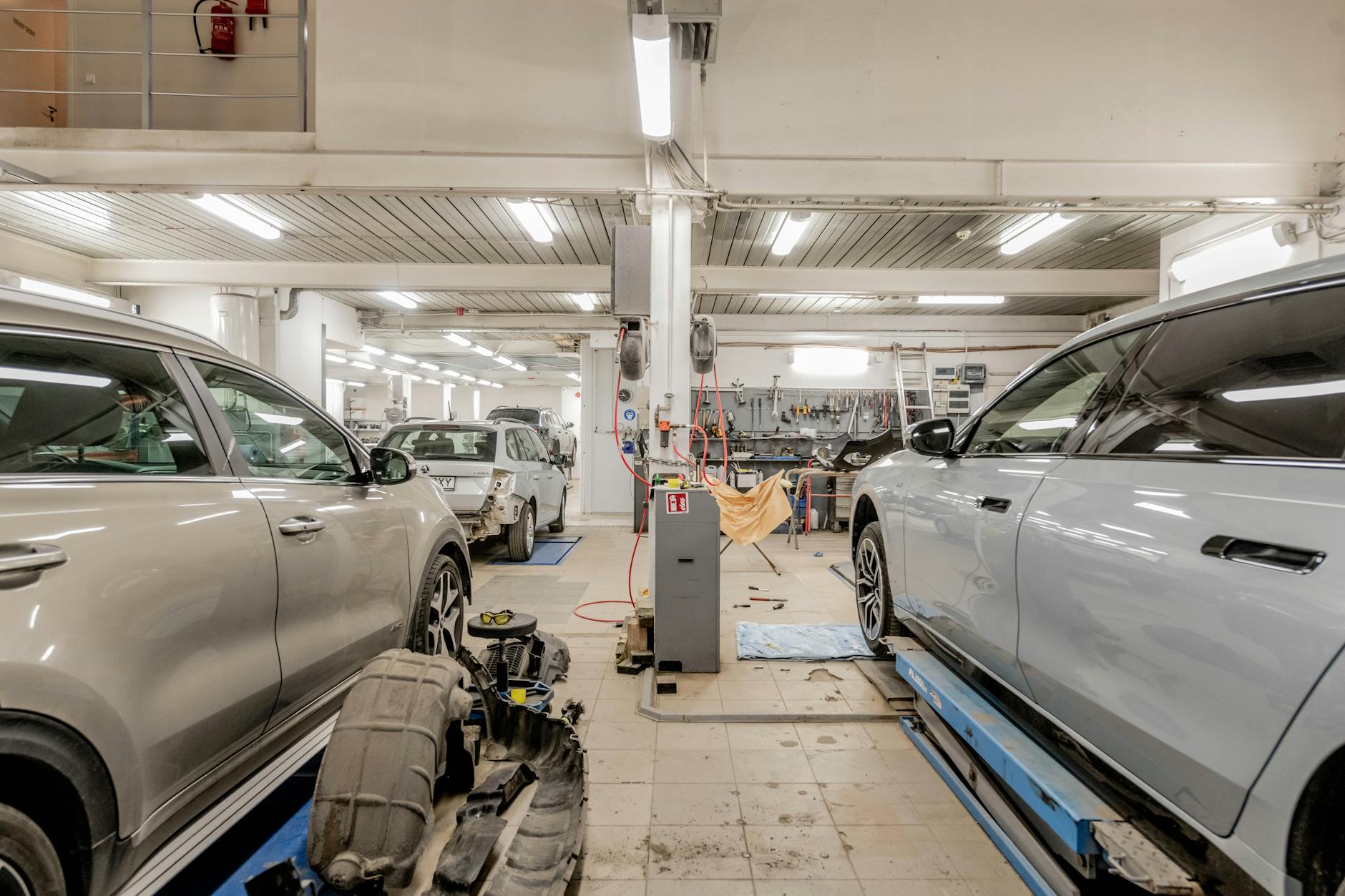
Workshop revenue is the financial backbone of most dealerships and independent garages. New car sales margins are thin and variable. Parts and accessories are competitive. But a well-run service department with a loyal customer base generates consistent, predictable revenue month after month.
The challenge is retention. Customers who buy a car from your dealership or bring their vehicle in for service do not automatically return. Life gets busy, independent garages offer competitive pricing, and unless you are actively maintaining contact, customers drift toward whoever is most convenient at the moment their dashboard light comes on.
Email is the most cost-effective tool for maintaining that contact — and when built correctly, service reminder email campaigns reliably generate 20 to 35 percent of workshop booking revenue at a fraction of the cost of other marketing channels.
This guide covers the complete service reminder email strategy: from automated MOT and service interval flows to seasonal campaigns, recall communications, and loyalty programme emails.
Why Service Reminder Emails Work
Automotive service is an obligation, not a luxury. Every vehicle owner knows their car needs regular maintenance. What they lack is not willingness — it is a timely, convenient reminder from a trusted source.
When your service reminder email arrives at the right moment, with the right message, and makes booking easy, you are not selling to someone who does not want your service. You are removing friction for someone who was already going to need it.
The data reflects this: dealerships with active email service reminder programmes see return workshop rates 40 to 60 percent higher than those relying on reactive booking alone. The incremental cost of sending a targeted email to a known customer is negligible. The incremental revenue from recovering even 10 additional service bookings per month is substantial.
Flow 1: MOT and Service Interval Reminder Flows
The most fundamental and highest-value automotive email flow is the service interval reminder. This flow is triggered by vehicle data — specifically, the date and mileage of the last service and the manufacturer-recommended service interval.
Setting Up Service Interval Triggers
For this flow to work, your CRM must capture:
- Vehicle registration plate or VIN
- Make, model, and year
- Date of last service at your workshop
- Mileage at last service (if collected)
- Manufacturer-recommended service interval (typically annual or every 10,000–15,000 miles)
With this data, you can trigger reminder emails automatically based on time and estimated mileage.
Email 1: The Early Reminder (4–6 Weeks Before Due Date)
Subject line examples:
- “[First Name], your [Make/Model] service is due next month”
- “Your [Make] is due for a service in [Month] — book your slot”
- “Heads up: your [Year Make Model] service is coming up”
This email is informational and low-pressure. It tells the customer their service is approaching, explains why the service is important (brief, specific, non-scary), and makes booking easy with a direct link to your online booking system.
Include: the specific services recommended at this interval, an estimated price or “from £X” transparency on cost, and available appointment windows.
Email 2: The Closer Reminder (2 Weeks Before Due Date)
Subject line examples:
- “Your [Make/Model] service is due in 2 weeks”
- “2 weeks until your service due date — slots are filling”
- “Don’t forget: your [Make] is due for a service soon”
Slightly more urgent in tone. Add a practical note about availability: “Our workshop is booking up for [Month] — secure your slot now to avoid waiting.” This is honest urgency — popular service centres do have limited availability — and it prompts action without being aggressive.
Email 3: The Final Reminder (Service Due Date Reached)
Subject line examples:
- “Your [Make/Model] service is due today”
- “[First Name], your service is now overdue — here is why that matters”
- “Your [Make] needs attention — one click to book”
If the customer has not booked after the first two reminders, this email shifts tone slightly. Include a brief, non-alarming note about the implications of delayed servicing (reduced efficiency, potential warranty impact, increased wear on specific components). Make the booking link prominent and the process as frictionless as possible.
The MOT Reminder Flow (UK-Specific)
MOT reminders follow the same structure but are more time-sensitive. In the UK, an expired MOT means the vehicle is legally off the road. This genuine urgency changes the tone of the emails.
12 Weeks Before MOT Expiry:
Subject line: “Your MOT expires in 12 weeks — here is what to do” Light informational tone, early booking incentive if applicable.
4 Weeks Before Expiry:
Subject line: “Your MOT expires on [Date] — book now to be safe” Medium urgency, clear benefit of booking early (inspection time to address any advisories before the MOT).
2 Weeks Before Expiry:
Subject line: “Important: your MOT expires on [Date]” Genuine urgency. Short, direct, one-call-to-action.
Week of Expiry:
Subject line: “Your MOT expires this week — drive-in slots available” High urgency. Address any objections about availability or inconvenience.
Flow 2: Seasonal Check Campaigns
Beyond interval-based reminders, seasonal check campaigns target vehicle owners based on the time of year and the maintenance needs that come with it. These campaigns work because they feel timely and relevant — not generated by a database, but by a service centre that is genuinely thinking about their vehicle.
Pre-Winter Safety Check Campaign (September–October)
Subject line examples:
- “Is your [Make/Model] ready for winter? A quick check-up guide”
- “Winter is coming — 5 things to check on your [Make]”
- “Pre-winter vehicle check: book now before the cold arrives”
Content: tyre tread depth and winter tyre options, battery health (cold weather significantly reduces battery performance), antifreeze levels, wiper blade condition, lighting check. Offer a specific “winter health check” service at a defined price point.
Post-Winter Check Campaign (March–April)
Subject line examples:
- “After the winter, your [Make] deserves some attention”
- “Spring service: what your car needs after the cold months”
- “Post-winter check: the 4 things every [Make] owner should book”
Content: brake inspection after salt and ice, tyre change back to summer tyres if applicable, air conditioning check before summer, fluid top-ups, and underbody wash for salt corrosion.
Summer and Holiday Readiness Campaign (May–June)
Subject line examples:
- “Planning a summer road trip? Here is what to check first”
- “Before you go — is your [Make/Model] road-trip ready?”
- “Summer check: air conditioning, tyres, and peace of mind”
Position this as a “peace of mind” service for customers who drive long distances in summer. Include air conditioning recharge, tyre pressure check, coolant levels, and a general safety inspection.
Flow 3: Recall Notification and Safety Communication
Recall notifications are simultaneously the most important and most underutilised email communications in automotive. Done well, they build enormous trust and loyalty. Done poorly — or not done at all — they create liability and brand damage.
The Recall Notification Email
When a manufacturer issues a safety recall affecting your customer’s vehicle, send a proactive email immediately.
Subject line examples:
- “Safety notice for your [Year Make Model]”
- “Action required: a safety recall affects your [Make/Model]”
- “Important: recall notice for [Registration/VIN]”
Content:
- Clear, non-alarming description of the recall
- Which vehicles are affected (confirm their specific vehicle is included)
- What the recall involves and how serious it is
- That the repair is free of charge (ALWAYS emphasise this)
- How to book and approximately how long the repair takes
Recall emails should be factual, calm, and focused on making the next step easy. Do not use recall communications as an opportunity to upsell — it will feel inappropriate and damage trust. Let the booking process handle any additional services naturally.
The Safety Advisory Email (Non-Recall)
Separate from official recalls, proactive safety advisories are a powerful trust-building tool. When you identify a common issue with a specific make, model, or age range of vehicles — through your workshop data, manufacturer bulletins, or industry knowledge — send a targeted advisory to affected customers.
Subject line examples:
- “A note for [Make Model Year] owners in our community”
- “Something your [Year Make] might need — we wanted to let you know”
- “A common issue we are seeing with [Make/Model] — is yours affected?”
This email positions your workshop as a proactive, expert partner — not just a reactive service centre. It generates bookings and, more importantly, generates trust.
Flow 4: Loyalty Service Programme Emails
Customer loyalty in automotive service is built through familiarity, consistency, and feeling valued. A loyalty programme email sequence formalises this relationship and creates tangible reasons to return to your workshop specifically.
The Loyalty Programme Welcome Email
When a customer completes their second service at your workshop, invite them to your loyalty programme.
Subject line examples:
- “You qualify for our loyalty service programme — here is what it means”
- “Welcome to [Programme Name]: a thank you for coming back”
- “You are a returning customer — here are the benefits”
Describe the programme clearly: what they earn with each service, how they redeem, any tiered benefits (e.g., fourth service free, priority booking, free health checks).
The Loyalty Points Update Email
After each service, send a brief email that updates the customer on their loyalty status.
Subject line examples:
- “Your service is complete — and here is your rewards update”
- “Thanks for visiting [Workshop Name] — you are getting closer to [reward]”
- “Service done. Here is your loyalty balance.”
This email confirms the service is complete, provides any relevant follow-up information (advisories, next service due date), and shows their progress in the loyalty programme. It closes every workshop visit on a positive, forward-looking note.
The Loyalty Milestone Email
When a customer reaches a loyalty milestone — their fifth service, a points threshold, a one-year anniversary as a customer — send a dedicated recognition email.
Subject line examples:
- “You have been a valued customer for [X] years — thank you”
- “A milestone reward from [Workshop Name]”
- “[First Name], your [X]th service with us — here is something special”
Include a tangible reward: a discount on their next service, a free check, priority booking access. Make the customer feel genuinely appreciated, not just enrolled in a points scheme.
Personalisation That Makes Service Emails Stand Out
The difference between a service reminder that gets ignored and one that gets bookings is personalisation. At minimum, include:
- Customer name
- Specific vehicle make, model, and registration/year
- Specific services due (not just “your car needs a service”)
- Their last service date and mileage
- The name of the service advisor or technician they worked with last time
Customers who receive an email that says “Hi [First Name], your [Year Make Model] is due for a [Full/Interim] Service based on your last visit in [Month Year]” are far more likely to book than those who receive a generic “your service is due” message.
Workshop Revenue Impact: The Maths
Consider a workshop serving 2,000 active customers:
- Without service reminder emails: 40% return rate annually = 800 return customers
- With automated service reminder emails: 60% return rate = 1,200 return customers
- Average service value: £180
- Revenue difference: 400 additional services × £180 = £72,000 additional annual revenue
This is the direct impact of a well-implemented service reminder email programme — before accounting for upsell revenue from additional work identified during services.
Build Your Automotive Service Email System
Service reminder email automation is one of the clearest examples of email marketing ROI in any industry. The cost of building and running the system is minimal. The revenue generated is direct and measurable.
At Excelohunt, we build done-for-you automotive service reminder email systems for dealerships, franchise groups, and independent workshops.
Get your free email audit at excelohunt.com/free-audit and find out how much workshop revenue your current communication strategy is missing — and what a properly built service reminder system would change.
Related Excelohunt Services
Looking to implement these strategies with expert support?
- Email Automations — learn how we implement this for clients
More in Strategy
- Best Email Marketing Agencies for Small DTC Brands ($40k+/mo)
- Best Email & SMS Marketing Agencies for Ecommerce (2026)
- Chronos Agency Alternatives for $40k–$500k/mo DTC Brands
- Chronos Agency Pricing Explained: Is the $10k Minimum Worth It?
- Chronos Agency vs InboxArmy: Which Is Better for DTC Email?