Email Marketing for Cannabis and CBD Brands: How to Stay Compliant While Growing Your List
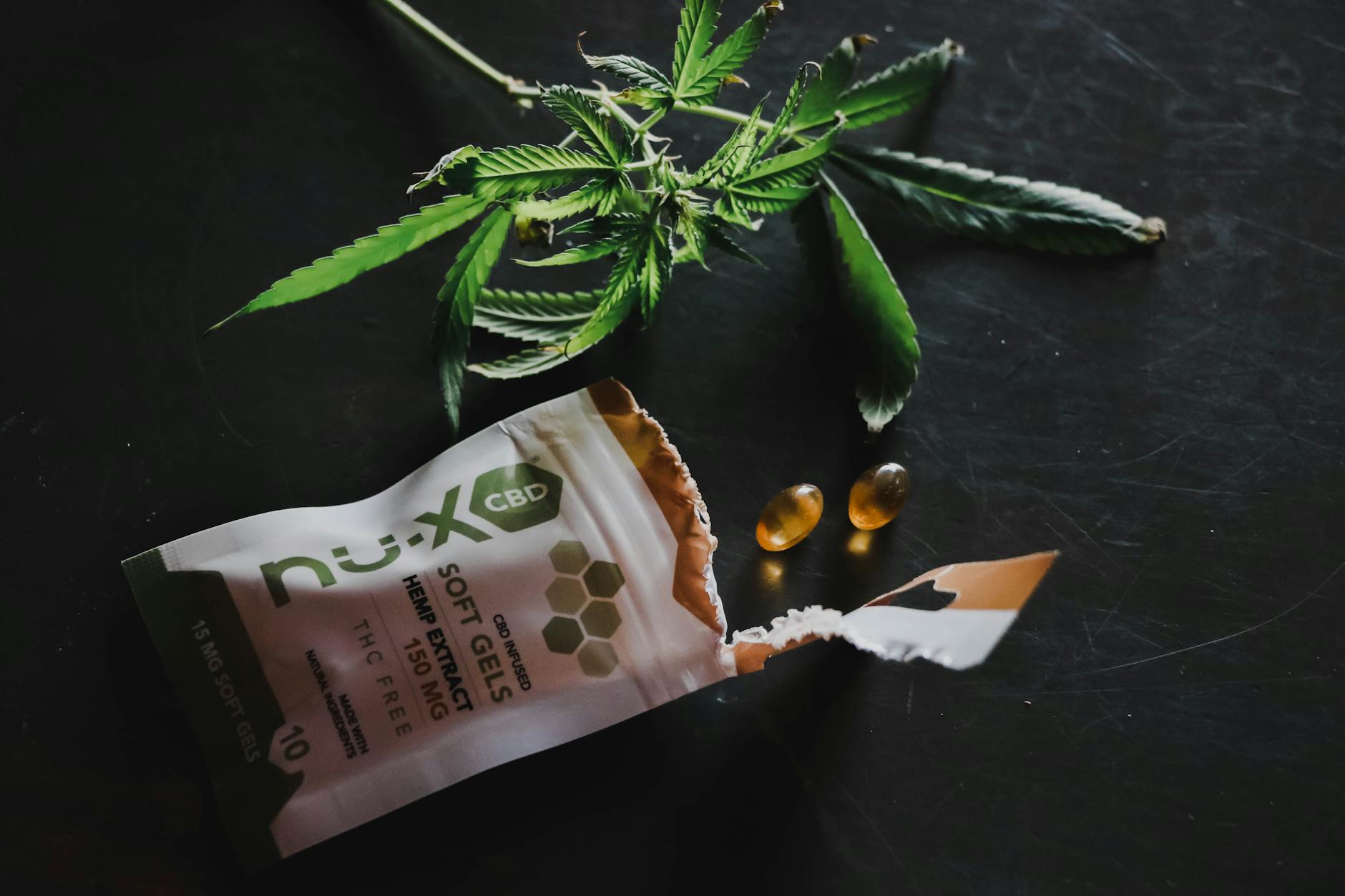
Email marketing is one of the most powerful channels available to cannabis and CBD brands — but it comes with a compliance landscape that does not exist in most other industries. Get it wrong and you risk account termination, legal exposure, or landing your campaigns in the spam folder permanently. Get it right and you have a direct, owned channel to your customers that no algorithm can take away.
This guide breaks down exactly what cannabis and CBD brands need to know to build a compliant, high-performing email marketing program from the ground up.
Why Email Is the Right Bet for Cannabis and CBD Brands
Before we get into compliance, it is worth being clear about why email deserves a central place in your cannabis or CBD marketing strategy.
Most major advertising platforms — Google, Meta, TikTok — have significant restrictions on cannabis and CBD advertising. Even where CBD advertising is technically permitted, policies shift frequently and ad accounts get suspended without warning. Social media organic reach continues to decline. Cannabis-focused platforms have limited scale.
Email bypasses all of this. Your list is your asset. No platform can take it away. No policy change can suppress your reach. The relationship between your brand and your subscriber is direct, personal, and not subject to third-party algorithmic gatekeeping.
The challenge is building and maintaining that list in a way that keeps you out of legal and platform compliance trouble.
Choosing the Right ESP for Cannabis and CBD
Not all email service providers will work with cannabis brands, and even CBD-focused brands should verify platform policies before building on any particular ESP.
Platforms with Known Cannabis/CBD Restrictions
Mailchimp explicitly prohibits “illegal goods or services” and has historically terminated accounts for cannabis-related content even in legal state markets. Their terms also restrict hemp-derived CBD businesses in many cases. Do not build your program on Mailchimp if you are in the cannabis or CBD space.
Klaviyo is more nuanced — the platform serves some CBD brands but their terms require that products be federally legal, which means THC-containing products are not permitted. Hemp-derived CBD with compliant labeling is generally acceptable, but policies can shift.
Platforms That Support Cannabis/CBD Marketers
Several ESPs have emerged or adapted specifically to serve the cannabis and CBD industry:
- Klaviyo (for compliant hemp CBD specifically, with careful review of their current terms)
- Mailmunch
- Omnisend (with category review)
- ActiveCampaign (for CBD; varies for cannabis)
- Sendlane
- Klaviyo alternatives built specifically for regulated industries
The safest approach: before investing in any platform, contact their compliance team directly, provide an accurate description of your product category (hemp CBD, cannabis dispensary, ancillary cannabis business, etc.), and get written confirmation of permitted use. Platform policies change — re-verify annually.
What to Look For in a Cannabis-Friendly ESP
Beyond baseline acceptance of your category, prioritize platforms that offer:
- Robust segmentation — essential for geo-targeted compliance (state-specific restrictions)
- Suppression list management — for age verification and opt-out compliance
- Strong deliverability infrastructure — cannabis brands often face spam filter discrimination based on content, so sender reputation management matters more than in other industries
- Transactional email capability — order confirmations and dispensary-specific communications often need to be segmented from marketing communications
Age Verification and Opt-In Strategy
Age gating is not optional. Cannabis and CBD brands must have mechanisms to ensure minors cannot join their email list. Here is how to implement this properly:
Age Gate on Opt-In Forms
Every email opt-in form — on your website, at checkout, in pop-ups — should include either:
- A date of birth field with server-side age verification (reject submissions from users under 21 for cannabis, or under 18 for CBD depending on state)
- An age acknowledgment checkbox (“I confirm that I am 21 years of age or older”) for simplified gating
The date of birth approach is more defensible from a compliance standpoint. The checkbox approach is more conversion-friendly. Many brands use the checkbox with backend monitoring for unusual age demographics in their acquisition data.
Double Opt-In for Cannabis Brands
Double opt-in is strongly recommended for cannabis and CBD brands — more so than in most other categories — for several reasons:
- It provides documented proof of explicit consent
- It reduces spam trap hits which are more common in regulated categories
- It creates a paper trail of subscriber intent that can be referenced in any compliance review
- It keeps your list cleaner, which directly supports deliverability
The confirmation email in a double opt-in flow for cannabis brands should:
- Clearly state what the subscriber signed up to receive
- Include the brand name prominently
- Not include any product promotional content until confirmation is complete
- Include a clear unsubscribe mechanism even at this stage
Geographic Compliance on Sign-Up
Cannabis legality varies by state and country. Your opt-in infrastructure should:
- Capture subscriber location at sign-up (IP geolocation or explicit address capture)
- Suppress or tag subscribers in states or jurisdictions where your products cannot legally be sold
- Apply state-specific messaging compliance to any communications that reach subscribers in regulated markets
This is particularly important for cannabis brands that operate in specific legal markets. Sending promotional emails about THC products to subscribers in states where cannabis is illegal creates legal exposure and frequently triggers spam complaints.
Writing Compliant Email Copy for Cannabis and CBD
What you say in your emails is as important as who receives them. Regulatory and platform compliance around claims is a significant area of risk.
What CBD Brands Cannot Claim in Email Copy
The FDA has been unambiguous that CBD products cannot make disease treatment or health cure claims. This means you cannot write:
- “Our CBD oil treats anxiety.”
- “CBD has been shown to cure insomnia.”
- “Our tincture reduces symptoms of depression.”
These are disease claims and they create regulatory risk. Your email copy must stay in the realm of general wellness language:
- “Many of our customers report better sleep with our PM formula.”
- “Formulated to support everyday calm.”
- “Part of a healthy, balanced wellness routine.”
Structure-function claims (“supports joint comfort,” “promotes relaxation”) are in a gray area. If you use them, include a clear disclaimer that the products are not intended to diagnose, treat, cure, or prevent any disease.
What Cannabis Brands Need to Watch
State regulations for cannabis marketing vary significantly. Broadly, common compliance requirements for cannabis brand email marketing include:
- No marketing to minors — your age gate handles this at opt-in, but your email content should also avoid imagery, language, or cultural references that appeal primarily to minors
- No false potency claims — THC/CBD percentages and product efficacy language must be accurate and consistent with testing documentation
- Required disclosures — some states require specific language in all marketing communications (California, for example, requires specific warnings about cannabis use)
- No endorsement of illegal use — even in legal markets, emails cannot encourage driving under the influence or other illegal activities
Work with a cannabis-specialist attorney to audit your email templates for your specific state markets. This is a one-time investment that protects years of marketing activity.
Subject Lines for Cannabis and CBD Emails
Subject line compliance is an often-overlooked aspect of cannabis email marketing. Avoid subject lines that:
- Make health claims (“Sleep better tonight with CBD”)
- Use language that could trigger spam filters (“Free,” “Cure,” “Guaranteed”)
- Reference recreational drug use in ways that could be construed as targeting minors
High-performing, compliant subject lines for cannabis and CBD brands:
- “Your wellness routine just got an upgrade.”
- “New drops: our most popular formula is back in stock.”
- “The starter guide to CBD — everything you need to know.”
- “Behind the batch: how we test every product we make.”
- “Your order is ready — plus a note from our formulator.”
Building Your List the Right Way
With compliance constraints in place, how do you actually grow an email list as a cannabis or CBD brand?
In-Store Opt-In for Dispensaries
Dispensaries have a natural advantage: foot traffic from verified, ID-checked customers. Build an opt-in flow into your point-of-sale system with clear consent language. A simple iPad sign-up at the register with a loyalty program incentive consistently builds high-quality, engaged lists.
Website Pop-Ups with Value Exchange
The standard email pop-up works for CBD e-commerce brands. The offer should be meaningful enough to justify the opt-in but not so discount-heavy that it trains price-sensitivity from day one. Effective opt-in offers for CBD brands:
- A first-order discount (10-15%)
- A free CBD education guide or dosage calculator
- Early access to new product drops
- A quiz-based product recommendation tool (high engagement and opt-in conversion)
Content-Driven List Building
Educational content is a particularly effective list-building tool for CBD brands because it attracts subscribers who are actively researching — exactly the profile of a high-converting customer. A blog post about “how to choose a CBD dosage” with an email opt-in for a dosage guide PDF can generate highly qualified subscribers at a very low cost per acquisition.
Ongoing Compliance Hygiene
Compliance is not a one-time setup. It requires ongoing maintenance:
- Review your ESP terms quarterly — policies change, and account terminations happen without warning
- Audit your email templates annually for claims language
- Monitor state regulatory changes that affect your marketing geographies
- Maintain clean suppression lists — honor unsubscribes immediately and keep CCPA/state privacy regulation compliance current
- Document your compliance processes — if you ever face a regulatory inquiry, documented procedures are your first line of defense
Building a compliant email marketing program for your cannabis or CBD brand? Excelohunt works with regulated brands to build done-for-you email programs that grow revenue without creating legal or platform compliance risk.
Get your free email audit at excelohunt.com/free-audit — we’ll review your current email setup and identify both compliance gaps and growth opportunities.
More in Strategy
- Best Email Marketing Agencies for Small DTC Brands ($40k+/mo)
- Best Email & SMS Marketing Agencies for Ecommerce (2026)
- Chronos Agency Alternatives for $40k–$500k/mo DTC Brands
- Chronos Agency Pricing Explained: Is the $10k Minimum Worth It?
- Chronos Agency vs InboxArmy: Which Is Better for DTC Email?
Want Us to Implement This for Your Brand?
Get a free email audit and see exactly where you're losing revenue.
Get Your Free Audit