The Second Pair Email Strategy: How Eyewear Brands Double Their Revenue Per Customer
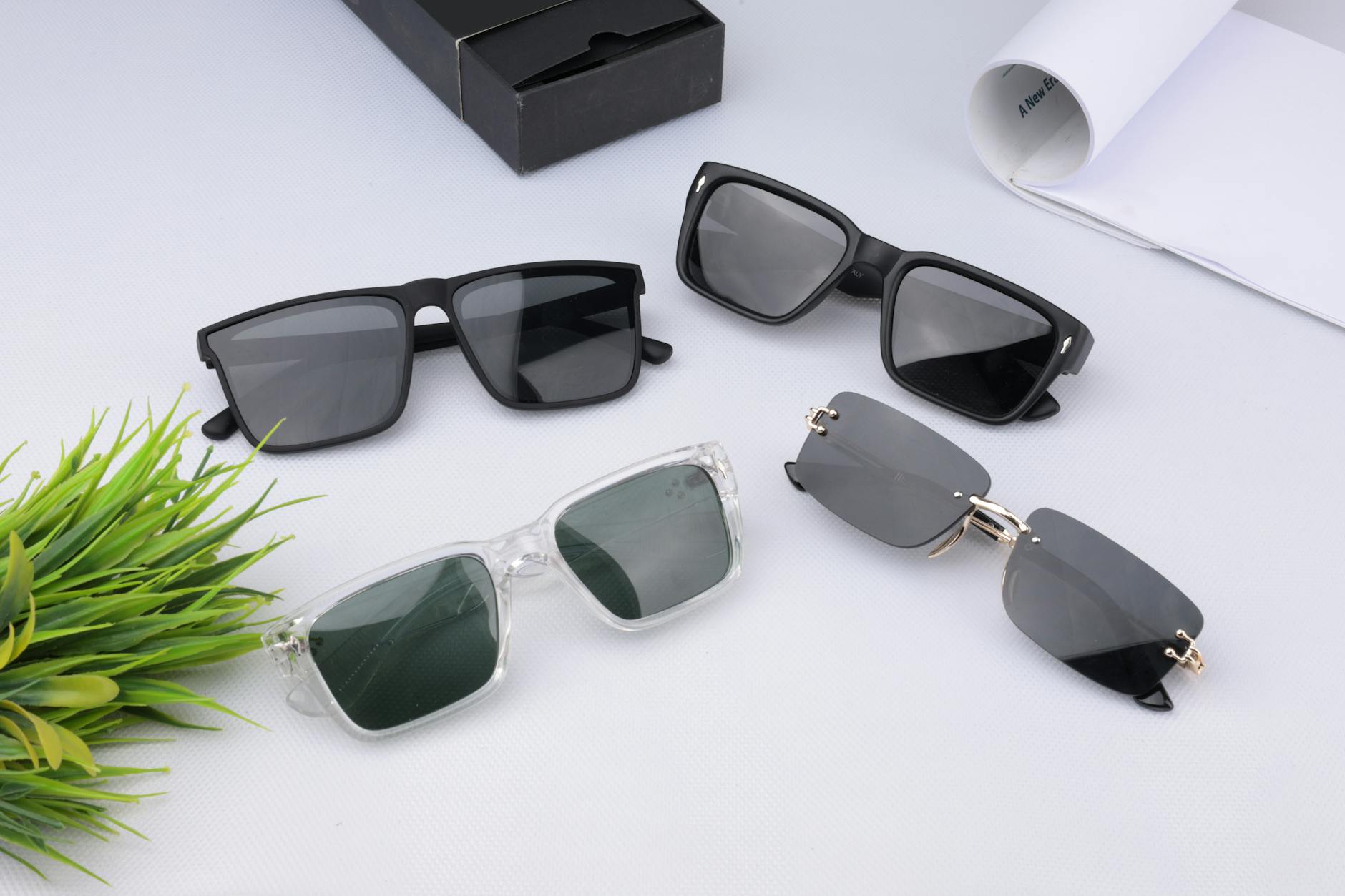
Most eyewear brands think about revenue in terms of acquiring new customers. The smarter play is unlocking more revenue from the customers you already have — and the most powerful mechanism for this is the second pair campaign.
The logic is straightforward. A customer who has already purchased prescription frames from you has demonstrated trust in your brand, has their prescription on file, and knows their face shape and preferred style. They are infinitely easier to sell to than a cold prospect. The only question is whether you have a structured email strategy to prompt the second purchase at the right time.
This post covers how to build second pair upsell flows, sunglasses cross-sells, prescription sunglasses campaigns, and work vs casual segmentation emails that systematically double your revenue per customer.
The Business Case for the Second Pair
The optical industry has long known that customers with multiple pairs of glasses spend more, retain better, and refer more often. Someone who owns a pair of everyday frames, a pair of prescription sunglasses, and a dedicated screen/blue-light pair has three touchpoints with your brand. Their lifetime value is three times higher, and their switching cost to a competitor is much lower — because they would have to rebuild their whole eyewear wardrobe.
The second pair is not a one-time revenue boost. It is the beginning of a multi-pair relationship.
When to Send: The Second Pair Timing Strategy
Timing is everything in second pair campaigns. Send too soon after the first purchase and you look aggressive. Send too late and the moment of maximum satisfaction has passed.
The Post-Honeymoon Window (30–45 Days Post-Purchase)
The ideal window for a second pair conversation opens approximately 30 days after the customer receives their first order. By this point:
- They have worn the frames enough to love them
- The new purchase excitement is still present
- They are open to the idea of “what else could complete my eyewear collection”
This is when you introduce the concept of the second pair — not as an upsell, but as a natural extension of the great choice they just made.
Subject line examples:
- “You love your new frames — now meet their perfect companion”
- “One pair is great. Two pairs is a complete eyewear wardrobe.”
- “Your frames arrived 30 days ago. Ready for pair number two?”
The Style Occasion Trigger (Seasonal / Event-Based)
Beyond timing from the first purchase, seasonal moments create natural second pair entry points:
- Summer approaching — “Prescription sunglasses season is here. Are you ready?”
- Back to work in September — “New season, new work frames. Time to update?”
- New Year — “New you, new frames — make 2025 your year for a style upgrade”
- Daylight saving time — “More sunlight hours means you need prescription sunglasses. Here’s why.”
These campaigns are broadcast-style emails to your full list of prescription customers who own zero sunglasses. They are high-volume, seasonal, and consistently drive strong revenue when executed well.
The Sunglasses Cross-Sell Flow
Prescription sunglasses are one of the most underutilised revenue streams in eyewear e-commerce. Customers assume they are expensive, complicated to order, or unnecessary. Your job is to dismantle all three objections.
Email 1: The Education Email
Many prescription wearers genuinely do not realise how accessible prescription sunglasses have become. They associate them with clunky, expensive, specialist products.
Subject line examples:
- “Do prescription sunglasses actually work? (Yes, and here’s the proof)”
- “Why squinting in sunlight is costing you more than you think”
- “Your prescription, your sunglasses — here’s how it works”
This email explains, simply and clearly:
- How prescription sunglasses work (same lenses, tinted)
- The price range (less scary than they think)
- The process (upload existing prescription, same as before)
- The lifestyle benefit (no more switching between glasses and clip-ons, no squinting, no contacts required for outdoor activities)
Education emails perform exceptionally well for this product category because the purchase barrier is primarily informational, not financial.
Email 2: The Style Showcase
Once you have educated the customer, show them what prescription sunglasses look like — ideally matching or complementing the frame style they already own.
Subject line examples:
- “Meet the sunny-day version of your everyday frames”
- “Prescription sunglasses that match your style”
- “We matched your frame style to our best prescription sunnies”
If you know which frames the customer owns, use that data to surface prescription sunglasses in the same aesthetic family. A customer who bought slim metal everyday frames might love a slim metal wraparound sunglass. A customer with bold acetate frames might be interested in oversized tinted acetate.
The goal is to make the second purchase feel like a natural addition, not a random new product.
Email 3: The Social Proof / Real Customer Email
Subject line examples:
- “How [Customer Name] went from squinting to seeing everything clearly”
- “Before and after: real customers, real prescription sunglasses”
- “Why 68% of our repeat customers add prescription sunglasses as their second pair”
Social proof here should focus on the lifestyle transformation, not just the product. A customer review that says “I can finally drive without squinting” does more work than a technical feature description.
Work vs Casual Segmentation: The Smart Second Pair Campaign
Not all second pair campaigns are about sunglasses. One of the highest-value second pair opportunities is the work/casual split — getting customers to own dedicated frames for different life contexts.
Identifying the Right Segments
The work vs casual campaign works best when you can identify customers in roles or lifestyles that create genuine dual-context need. Your email platform’s behavioural data and purchase history can help identify:
- Office workers / screen-heavy professionals — prime candidates for a dedicated blue-light or screen frame as a second pair
- Active / outdoor lifestyle customers — prime candidates for sport or prescription sunglasses
- Fashion-forward customers — prime candidates for a “statement pair” to complement their everyday neutral frames
- Parents — prime candidates for a backup pair (kids are notorious for sitting on glasses)
Email Flow: The Work vs Weekend Split
Email 1 subject lines:
- “Your everyday frames are doing double duty — give them a break”
- “Work frames and weekend frames: why the best-dressed people own both”
- “Your commute frames and your Saturday frames should not be the same pair”
This email makes the case for context-specific eyewear. It is not about the product first — it is about the lifestyle logic. People have work shoes and weekend shoes. Work bags and weekend bags. Why not work frames and weekend frames?
Email 2 subject lines:
- “Your work frames, reimagined for the weekend”
- “Take your Friday style seriously — here’s your weekend pair”
- “The frames your off-duty self has been waiting for”
Now you show them options. If their existing frames are minimal and professional, recommend something more expressive for weekends. If their existing frames are bold and fashion-forward, recommend something clean and professional for work.
The Backup Pair Campaign
This campaign is underutilised and surprisingly effective. Most glasses wearers have experienced the panic of losing, sitting on, or breaking their only pair. The memory of that helplessness is a genuinely compelling reason to buy a backup.
Subject line examples:
- “What would you do if you broke your glasses tomorrow?”
- “The one purchase every glasses wearer should make”
- “Backup pair: the most practical eyewear purchase you’ll ever make”
- “We’ve all been there. Don’t let it happen again.”
This email does not need to be long. It makes one point: having a backup pair is smart, practical insurance. Position a second identical or similar pair as the sensible, prepared choice. Many customers will respond with something like “I have been meaning to do this for years” — because they have.
The backup pair campaign works particularly well for customers with strong prescriptions (more dependent on their glasses) and for customers who have previously contacted your support team about broken or lost frames.
Prescription Sunglasses Campaign: The Seasonal Launch
Beyond the evergreen cross-sell flow, a seasonal prescription sunglasses launch campaign can drive substantial concentrated revenue.
Deploy this campaign in late February or early March as spring approaches, and again in May/June as summer peaks.
The Seasonal Launch Structure
Week 1 — Early access email (existing customers only):
Subject: “Before we launch: prescription sunglasses — first look for existing customers”
Week 2 — Full launch email:
Subject: “Summer is coming. Your eyes are ready. Are your frames?”
Week 3 — Social proof + urgency:
Subject: “Our most popular prescription sunglass frames are going fast”
Week 4 — Last chance (with incentive):
Subject: “Last week to get your prescription sunglasses before summer”
This four-email structure treats prescription sunglasses as a seasonal product launch, not just a product category. The scarcity and timeline create genuine urgency that ongoing evergreen campaigns cannot replicate.
Putting It Together: The Second Pair Email Calendar
A complete second pair strategy for an eyewear brand looks something like this:
- Day 30 post-purchase: Second pair introduction email
- Day 45 post-purchase: Sunglasses education email (if no second purchase)
- Day 60 post-purchase: Style showcase for second pair
- Seasonal: Prescription sunglasses launch campaign (spring and summer)
- Seasonal: Work/casual split campaign (back to school, new year, autumn)
- Evergreen: Backup pair campaign (quarterly broadcast to customers with single pair)
Each touchpoint is designed to serve the customer’s genuine needs while naturally surfacing the value of owning more than one pair. Done well, these emails do not feel like a hard sell. They feel like a knowledgeable friend helping you get more from your eyewear wardrobe.
What to Measure
Track these metrics to assess your second pair campaign performance:
- Second pair conversion rate — what percentage of single-pair customers purchase a second pair within 12 months?
- Time to second purchase — are your campaigns accelerating the second pair decision?
- Category mix — what proportion of second pairs are sunglasses vs everyday frames vs specialist use?
- Revenue per customer (lifetime) — the ultimate north star for whether your second pair strategy is working
For most eyewear brands, even moving 10% more single-pair customers to two pairs within the first year has a significant impact on overall revenue. The customers are there. The emails just need to make the case.
If you want to build a second pair email strategy that systematically grows revenue from your existing customer base, request your free email audit at Excelohunt. We will assess your current flows and show you exactly where the second pair revenue is sitting unclaimed.
Related Excelohunt Services
Looking to implement these strategies with expert support?
- Email Campaigns — learn how we implement this for clients
More in E-Commerce
- Email Marketing for UK Subscription Box Brands: Reducing Churn and Growing LTV
- Email Marketing for Australian Shopify Brands: The Complete Setup Checklist
- Email Marketing for UK Supplements & Nutrition Brands
- How Australian E-Commerce Brands Can Win Back Lapsed Customers With Email
- Email Marketing for Canadian Supplements & Nutrition Brands