Post-Purchase Email Strategy for Jewellery Brands: From Unboxing to Lifetime Customer
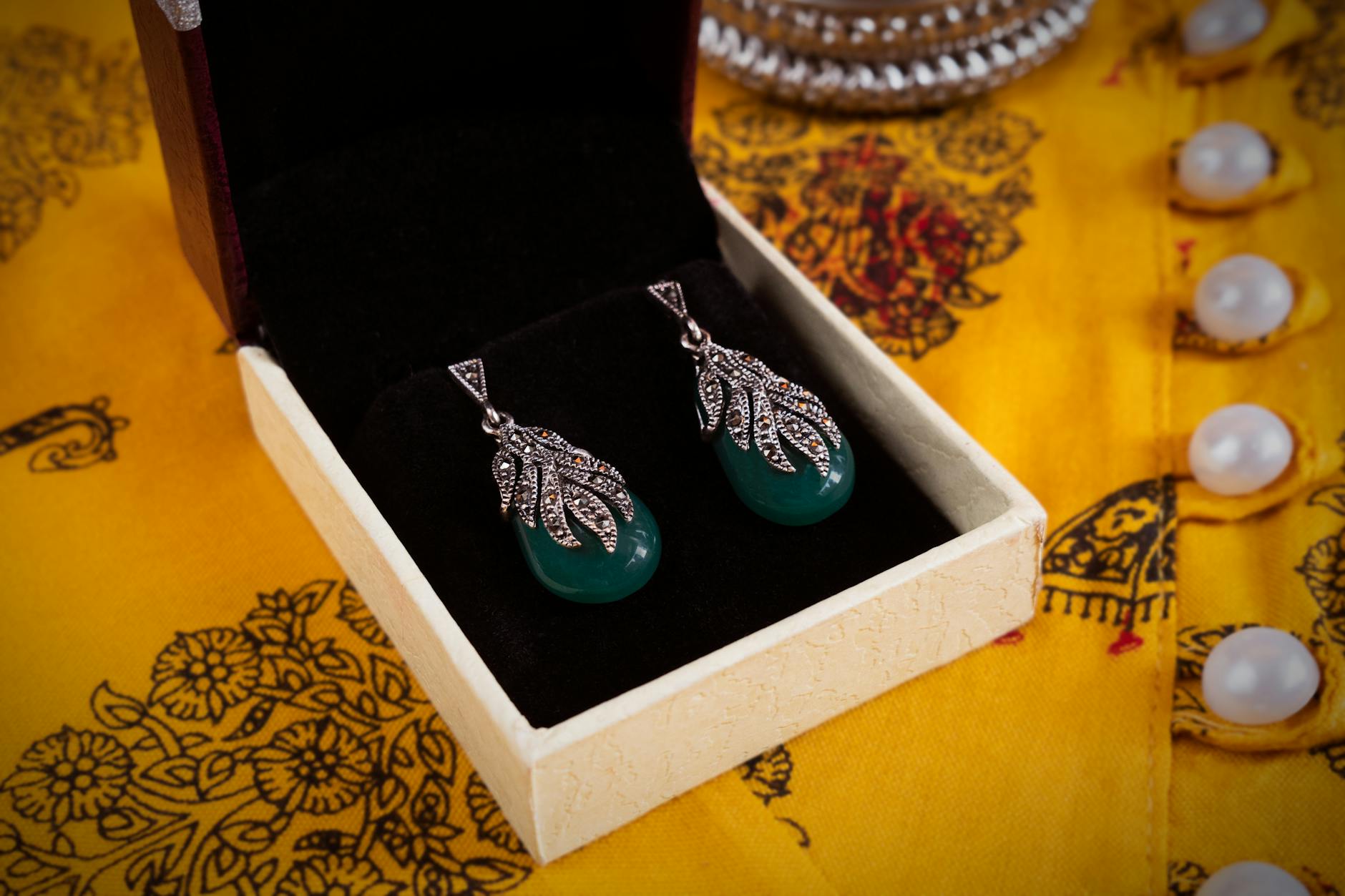
Jewellery brands have a retention problem that isn’t talked about enough: the industry runs on moments. An engagement ring is bought once. A birthday necklace might be a yearly purchase at best. A bracelet stack takes time to build.
The result? Most jewellery customers buy once, love the experience, and then simply don’t have a reason to return — because nobody gave them one.
Your post-purchase email sequence is your answer to that. Done well, it doesn’t just collect a review and wish them goodbye. It builds a relationship that turns a first purchase into a decade of loyalty, referrals, and repeat gifting.
The Problem With Typical Jewellery Post-Purchase Emails
Most jewellery brand post-purchase sequences look something like this:
- Order confirmation
- Shipping confirmation
- “Rate us on Google” email two weeks later
That’s not a customer relationship. That’s a transaction log.
Compare that to what the customer wants after buying jewellery — especially at a considered price point:
- Reassurance that they made a brilliant choice
- Excitement about the arrival and unboxing experience
- Knowledge about how to care for their new piece
- A natural way to share the moment (and your brand) with their social circle
- A reason to think of you next time
A proper post-purchase sequence gives them all of this. And it pays dividends for years.
The Full Post-Purchase Email Sequence
Email 1 — Day 0: The Order Confirmation (Make It Count)
Your order confirmation email gets the highest open rate of any email you’ll ever send. It’s not just a receipt. Use it to:
- Confirm the order with a beautiful image of their piece
- Reinforce the purchase decision: “You chose beautifully. Here’s a little about the piece on its way to you.”
- Set the excitement for delivery: mention the packaging experience, the gift card, the care guide that will arrive with it
- Include one line about your brand promise: “If there’s ever anything we can help with — now or in five years — we’re here.”
Subject: “Your order is confirmed — and it’s a beautiful one”
Email 2 — Day 1-2 (after dispatch): The Anticipation Email
Subject: “It’s on its way — here’s what to expect when it arrives”
This email builds anticipation for the unboxing. Include:
- Tracking link (obviously)
- A preview of the packaging and unboxing experience — what the box looks like, the tissue paper, the ribbon, the personalised message card
- “A little something to read while you wait” — a short story about the piece, its design inspiration, or the craftsperson behind it
This email isn’t functional — it’s emotional. It transforms the waiting period from neutral time into excited anticipation.
Email 3 — Day 4-5 (after estimated delivery): The Unboxing Follow-Up
Subject: “Did it arrive? We’d love to know”
This email arrives around the time the piece is in their hands. Ask how the unboxing was. Invite them to share a photo (“Tag us @[handle] — we share our favourites”). Include a short care guide snippet: “One thing everyone asks about [piece material] — here’s how to keep it looking perfect.”
This is also the email where you introduce the idea of sharing. Not a “refer a friend” hard sell — a natural invitation:
“If someone in your life would love this collection, here’s your personal link to share — they get 10% off their first order, and you get a credit toward your next.”
Email 4 — Day 7: The Full Care Guide Email
Subject: “Your guide to keeping [piece name] as beautiful as day one”
This email is one of the most underrated in the jewellery post-purchase sequence. It:
- Reduces returns and complaints by preventing damage from incorrect care
- Increases perceived value — customers who know how to care for fine jewellery take the quality more seriously
- Builds brand authority — you become the trusted source of expertise for their new piece
Cover:
- Cleaning instructions specific to the material (sterling silver vs. gold vs. gold vermeil vs. gemstones)
- What to avoid (ultrasonic cleaners, chlorine, perfume)
- Storage advice (anti-tarnish pouches, individual compartments)
- When to have it professionally serviced
Include a beautiful lifestyle image of the piece alongside a simple care kit. This can serve as a natural upsell to a branded care kit if you sell one.
Email 5 — Day 14: The Review Request
Subject: “Your honest opinion means everything”
Timing matters for review requests. Two weeks after delivery gives the customer time to wear the piece, feel the quality, and form a real opinion. Too early and they’ll give a generic review; too late and the moment has passed.
Make the review request feel personal:
- “We’re a small team, and reviews from customers like you are how people who’ve never heard of us find out about us.”
- Include a direct link to your review platform
- Offer an incentive for leaving a review — not for leaving a good review (that’s against platform rules) — a discount code for their next purchase, regardless of what they say
If they leave a review, trigger a thank-you email the next day with their loyalty credit. This closes a loop and leaves them feeling appreciated.
Email 6 — Day 30: The “How Are You Feeling About It?” Email
Subject: “A month in — is it everything you hoped for?”
One month on, a customer who loves their piece is at peak advocacy potential. They’ve worn it, received compliments on it, and formed a genuine attachment. This is the time to:
- Warmly check in
- Invite them to share their story in more depth (user-generated content)
- Introduce complementary pieces (“A lot of our customers who love [piece name] also wear [complementary piece]”)
- Soft-introduce the referral program again
This email feels like a brand that genuinely cares about their customers, not just their orders — and that’s exactly what it should feel like.
Email 7 — Day 90: The “Build Your Collection” Email
Subject: “You started with one. Here’s where customers go next.”
Ninety days after purchase, re-engagement is both timely and natural. The customer knows your brand, trusts your quality, and is open to the idea of adding to their collection or shopping for a gift.
Frame the email around curation, not selling:
- “The pieces that look incredible stacked with what you already have”
- “If you loved the [style/material], here’s the collection that extends it”
- A “style quiz” CTA for customers who want personalised recommendations
Email 8 — Annual “Anniversary of Your Purchase” Email
Subject: “One year ago, you made a beautiful choice”
This email, sent one year after the purchase date, is a sleeper hit. Most brands never send it. The ones that do see extraordinary engagement.
The email:
- Celebrates the anniversary of their purchase
- Invites them to share how the piece has become part of their story
- Introduces any new additions to the collection since their purchase
- Offers a loyalty reward for being a customer for a year
It’s warm, personal, and naturally prompts a return purchase — either for themselves or as a gift for someone else’s special occasion.
The Referral Program Email Strategy
Jewellery buyers are natural advocates — people regularly compliment a beautiful piece and ask where it came from. Your post-purchase sequence should systematically convert that natural advocacy into referral revenue.
Key referral email moments:
- Day 5 (unboxing follow-up) — soft introduction
- Day 30 (one-month check-in) — reinforce the referral offer
- Post-review confirmation — “Thank you for your review — here’s your referral link to share”
What makes a jewellery referral program email work:
- A meaningful reward for both parties (not 5% — try £15-25 for the referred friend, and a store credit of equal value for the referrer)
- A shareable, personal message that doesn’t feel like marketing: “I just bought from [Brand] and wanted to share — this is for you.”
- A link to a curated “best of” collection rather than the homepage
Subject Line Ideas for Post-Purchase Jewellery Emails
- “Your order is on its way — and it’s a good one”
- “What to do when it arrives (trust us, this matters)”
- “One thing everyone asks us about sterling silver”
- “How your piece should look in five years (and how to get there)”
- “We’d love to hear from you — two minutes, total”
- “Something we noticed about our best customers”
- “A year ago today, you found something beautiful”
- “The collection you haven’t seen yet”
Metrics for Post-Purchase Success
- Review collection rate — percentage of purchasers who leave a review
- Referral program activation rate — percentage of post-purchase customers who share their referral link
- Repeat purchase rate — first-time buyers who purchase a second time within 12 months
- Days to second purchase — how quickly post-purchase email engagement converts to repeat revenue
- NPS score by post-purchase email engagement segment
Turn Your Best Customers Into Your Biggest Growth Channel
Every jewellery purchase is the start of a relationship, not the end of one. But without the right post-purchase email program, that relationship ends at the shipping confirmation.
At Excelohunt, we design and build done-for-you post-purchase email sequences for jewellery brands — from unboxing anticipation all the way to annual anniversary re-engagement.
Get a free email audit at /free-audit — we’ll map your current post-purchase experience and show you exactly what a retention-focused sequence could add to your repeat purchase rate and LTV.
Your customers are ready to come back. Let’s give them a reason.
Related Excelohunt Services
Looking to implement these strategies with expert support?
- Email Automations — learn how we implement this for clients
More in E-Commerce
- Email Marketing for UK Subscription Box Brands: Reducing Churn and Growing LTV
- Email Marketing for Australian Shopify Brands: The Complete Setup Checklist
- Email Marketing for UK Supplements & Nutrition Brands
- How Australian E-Commerce Brands Can Win Back Lapsed Customers With Email
- Email Marketing for Canadian Supplements & Nutrition Brands